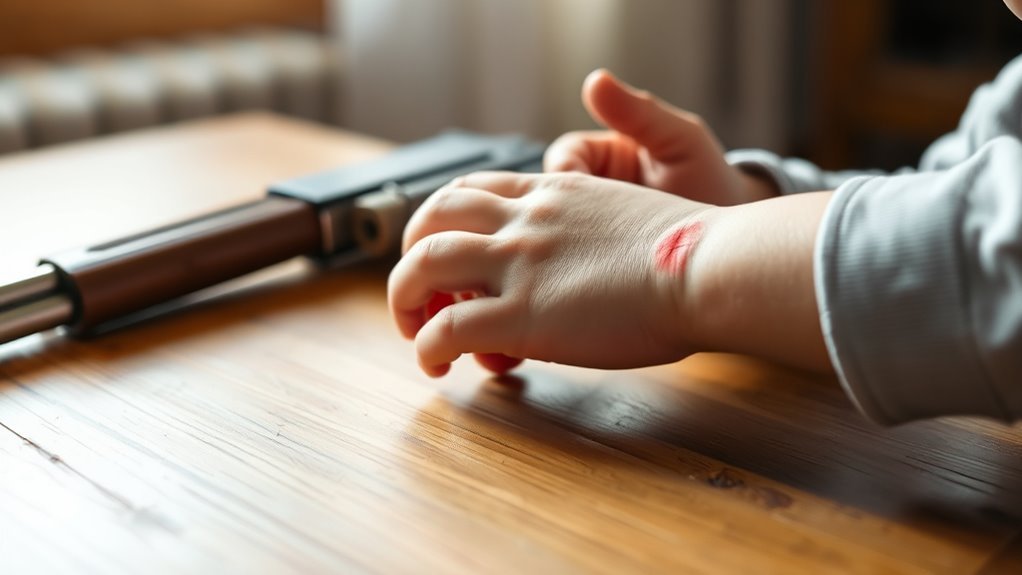
Does a BB Gun Hurt: Managing Pain and Injury
A BB gun hit usually feels like a sharp sting, especially at close range or on exposed skin. The pain can be surprising if you’re not expecting it, but it’s usually manageable.
Pain tends to increase with higher velocity—over 350 fps—or if you’re shooting from less than 3 meters away. This can sometimes cause bruising or skin damage, so it’s important to be cautious.
Wearing protective gear, like goggles and thick clothing, helps absorb the impact and reduce pain. It’s a simple way to keep yourself safe without ruining the fun.
Following safe distances and guidelines keeps you injury-free and comfortable. Keep exploring to uncover how to shoot safely and choose the right BB gun for fun.
Key Takeaways
- A BB gun hit usually causes a quick sting or rubber band-like pain. It tends to feel sharper on bare or sensitive skin areas.
- The pain from the impact gets worse when the BB velocity goes over 350 fps or if you’re shooting really close—like under 3 meters. It also hurts more if it hits exposed or bony parts of the body.
- Wearing protective gear is a smart move. Safety goggles, gloves, and thick clothing can really cut down on pain and the chance of injury from BB hits.
- Try to keep your shooting distance beyond 24-30 meters. Doing that lowers how hard the impact feels, which means less pain, fewer skin penetrations, and less bruising.
- If you follow safety guidelines, use low-velocity BB guns, and handle them properly, you can avoid serious injuries. It’s all about having fun safely!
How Painful Is a BB Gun Hit?
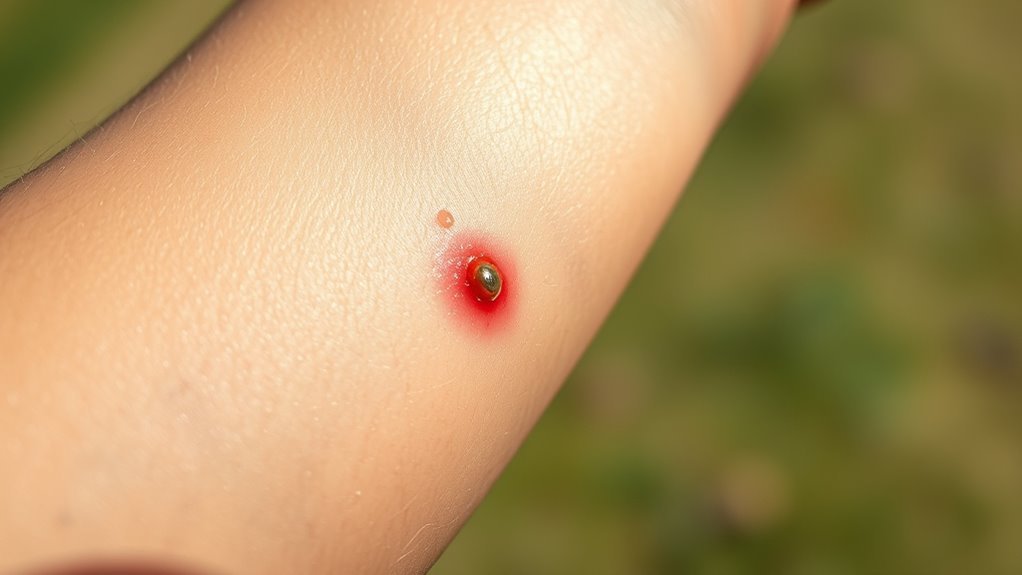
Although a BB gun hit usually feels like a quick sting or a flick from a rubber band, the pain can become sharper if it strikes bare skin, sensitive areas, or if the BB travels at high speed.
When you get hit directly on bare skin, especially at close range, the pain level rises noticeably. BBs fired at high velocities pack more impact, causing sharper discomfort and increasing the risk of injuries like bruises or welts.
Using proper protective gear, such as thick clothing or safety goggles, considerably reduces the pain and helps prevent skin damage. While most BB gun hits are brief and manageable, ignoring safety precautions can lead to more serious injuries.
Key Factors That Influence BB Gun Pain
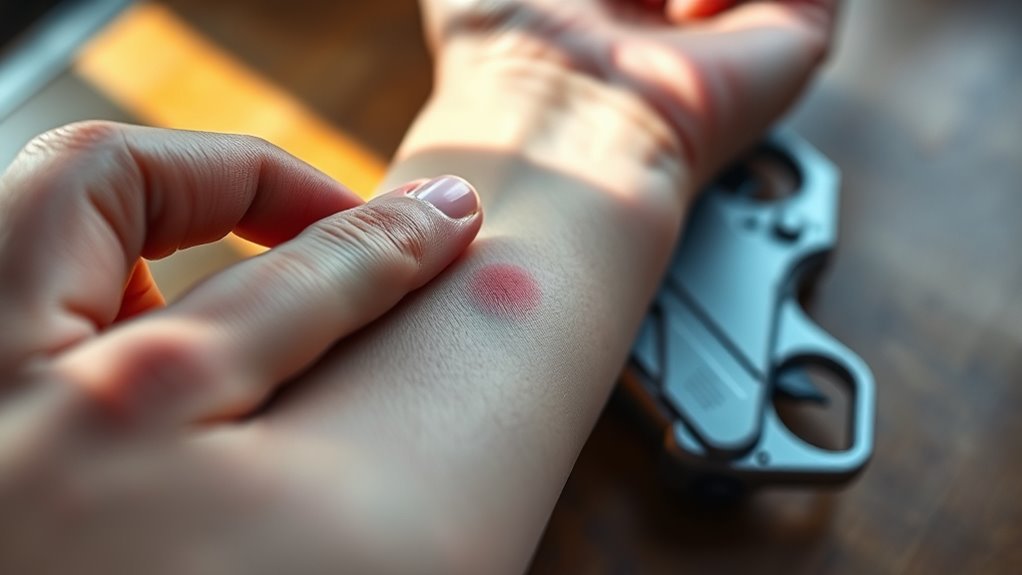
When you get hit by a BB gun, several key factors determine how much it will hurt. The impact force plays a major role, influenced by the projectile size and weight—heavier BBs deliver stronger impacts.
Muzzle velocity also matters; shots over 350 fps cause more pain and raise injury risk. Shooting distance affects energy transfer too; closer shots under 3 meters hit harder.
Wearing protective clothing like thick jackets and gloves helps absorb the impact, reducing pain profoundly. Finally, sensitive areas on your body, such as your face or fingers, experience more intense pain due to their vulnerability.
Understanding these factors can help you better manage pain and protect yourself during BB gun activities. It’s always smart to stay safe and be aware of what affects the pain level.
Which Body Parts Hurt Most When Hit by a BB Gun?
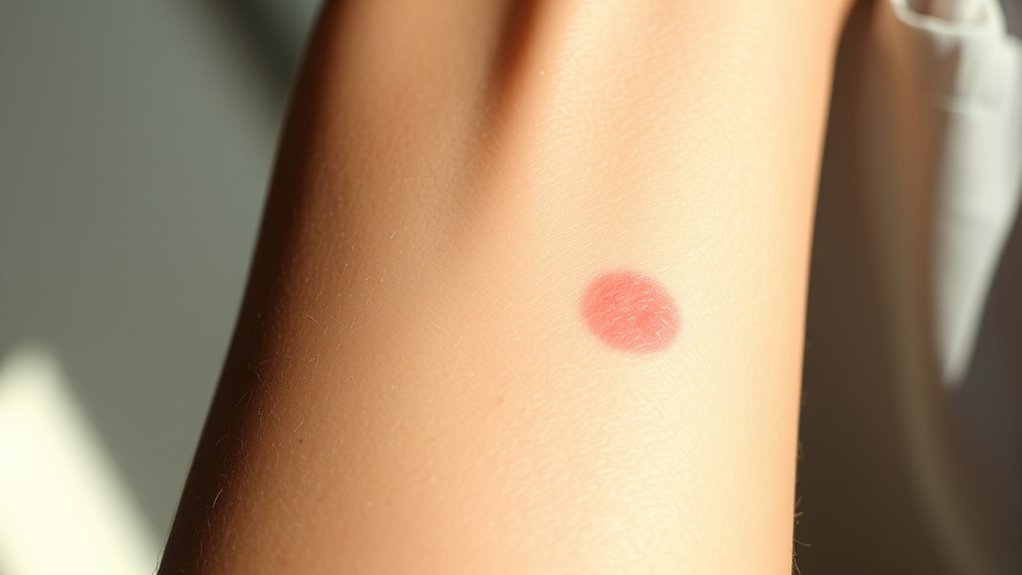
When a BB gun hits you, sensitive areas like your face, neck, and fingers tend to hurt the most. Bare skin feels sharper pain compared to protected spots covered by clothing or gear.
You’ll also notice impacts vary depending on body location, with bony or thinly padded areas causing more discomfort. It’s kind of like getting poked where there’s less cushion. So, those spots really take the brunt of it.
Most Sensitive Body Areas
Because certain body parts have thinner skin and less cushioning, getting hit by a BB gun in those areas causes sharper pain and higher injury risk. The most sensitive body areas include the face, neck, and groin, where skin impact triggers a strong pain response.
Hits on exposed skin like fingers, ears, and eyelids hurt more due to minimal protection. Eye injuries are especially serious, often causing intense pain or lasting vision damage.
When you’re hit in bare skin zones such as ribs or collarbones, the pain can be surprisingly sharp. To reduce discomfort and injury, always wear proper protective gear like masks and gloves.
This gear shields sensitive spots, lowers the risk of damage, and helps manage pain effectively during BB gun use. So, it’s really worth suiting up before you start.
Skin Versus Protected Zones
Understanding which parts of your body hurt the most from a BB gun hit depends largely on whether your skin is exposed or protected. When BB hits land on bare skin—especially sensitive areas like your face, neck, and fingers—you’ll feel sharper pain and a more intense sting.
The impact is immediate and can cause welts or bruises. However, if you wear protective gear such as gloves or long sleeves, these protected zones absorb much of the BB’s energy, markedly reducing pain and injury risk.
The skin’s sensitivity varies, so exposed areas generally hurt more, while protected zones often experience minimal discomfort. To manage pain effectively, always use proper protective gear, since it not only lessens the impact but also helps prevent lasting damage from BB hits.
Impact Differences By Location
Although BB guns can cause pain anywhere they strike, certain body parts hurt a lot more because they’re more sensitive and less protected. When a BB hits sensitive spots like your face, neck, or groin, you’ll feel sharper pain and a higher chance of getting hurt.
Bare skin is especially vulnerable, so getting hit there increases the chance of skin punctures and discomfort compared to shots through clothes. Areas with thinner skin or less muscle, like your ears and fingers, also hurt more intensely.
Hits on bony spots like the collarbone or ribs feel extra sharp since there’s not much flesh to cushion the impact. But the most serious injuries come from hits to your eye or head—they can be very painful and dangerous.
How Protective Gear Reduces BB Gun Pain
When you wear protective gear like safety goggles, full-face masks, and thick clothing, you greatly reduce the pain caused by BB gun hits. Protective gear acts as a barrier, lessening the impact force that reaches your skin.
Safety goggles and full-face protection shield sensitive areas like your eyes and face, preventing painful BB gun injuries. Thick clothing, such as long sleeves and jackets, absorbs much of the BB’s energy, reducing the chance of skin injuries like welts or bruises.
Protect your eyes and skin with goggles, face masks, and thick clothing to reduce painful BB gun injuries.
Gloves also protect your hands and fingers from direct hits, minimizing discomfort and small cuts. By consistently using proper protective gear during shooting, you make the experience safer and more comfortable.
It really cuts down on pain and helps prevent many common BB gun-related injuries. So, gearing up properly is definitely the way to go!
When Can a BB Gun Cause Serious Injury?
Wearing protective gear can prevent many injuries, but BB guns still pose serious risks if you’re not careful. A BB gun can cause serious injury at high velocity, especially if it hits vulnerable areas like the eyes or chest.
Without proper eye protection, you risk permanent disability from eye damage. Internal trauma from a high-speed BB can lead to life-threatening conditions. Kids are especially at risk due to thinner bones and less muscle protection.
| Injury Type | Cause | Risk Level |
|---|---|---|
| Eye Damage | Lack of eye protection | Permanent disability |
| Chest Penetration | High velocity BB | Internal trauma |
| Bone Fracture | High velocity impact | Serious injury |
| Deep Tissue Wounds | Close-range shooting | Life-threatening |
Always wear eye protection and treat BB guns with caution. It’s better to be safe than sorry!
Safe BB Gun Shooting Distances to Reduce Pain
You should always aim to shoot from a safe distance to reduce pain and injury. Shots taken closer than 3 meters can cause significant pain and welts.
On the other hand, shooting beyond 10-15 meters greatly lowers the impact. Understanding how distance affects pain helps you stay safe.
Plus, it lets you enjoy BB gun use responsibly without hurting yourself or others. So, keeping a safe distance really makes a difference!
Ideal Shooting Distances
Although BB guns can be fun to use, maintaining the right shooting distance is essential to avoid pain and injury. You should always respect a proper safety distance to minimize the injury risk caused by BB penetration or impact force.
Keep these ideal shooting distances in mind:
- Avoid close-range shooting under 3 meters; it greatly increases painful impacts and skin injuries.
- Maintain at least 10-15 meters to reduce impact force and the chance of welts or tissue damage.
- Shooting beyond 24 meters, especially while wearing jeans, can prevent BB penetration.
- Use protective gear when shooting at higher muzzle velocities (above 350 fps) to further lower injury risk.
Following these guidelines helps you enjoy BB guns safely without unnecessary pain or harm. Just remember, a little caution goes a long way!
Pain Variation By Range
Because the impact force of a BB decreases with distance, shooting from beyond 24 meters greatly reduces pain and the risk of skin penetration, especially when wearing thicker clothing like jeans. BB guns lose velocity over longer ranges, so the impact becomes less severe, minimizing injury.
At close ranges under 3 meters, the pain is much more intense, and impacts can cause painful welts or even skin damage due to the higher kinetic energy transfer. You can further reduce pain by wearing proper protective clothing such as long sleeves and pants, which absorb some of the impact.
Maintaining a safe shooting range is essential to prevent unnecessary injury and pain. This way, you can enjoy BB gun use more safely and comfortably.
Close-Range Impact Risks
How close is too close when firing a BB gun? Shooting at close range—less than 3 meters—greatly increases the impact force. This causes more pain and raises the risk of serious injury.
BBs maintain their maximum velocity over short distances, making perforation or deep bruising possible. To stay safe and reduce pain, keep these points in mind:
- Close-range shots can cause severe bruising, welts, or penetrating wounds.
- High impact force at close range means greater pain.
- Ricochets are more likely, leading to unpredictable injury.
Maintaining at least 10 meters distance minimizes velocity and impact force. So, always respect safe distances to avoid unnecessary pain and injury when using a BB gun.
How to Choose a Safe and Fun BB Gun
When choosing a BB gun, you want to prioritize safety without sacrificing fun. Start by selecting a model with a lower muzzle velocity—under 350 fps—to minimize injury risk, especially if you’re a beginner.
Look for essential safety features like automatic shut-off or trigger locks to prevent accidental firing. Make certain the BB gun complies with local safety regulations and is intended for recreational use, not as a high-powered weapon or toy.
Opt for a design with an orange tip or other clear markings to distinguish it from real firearms. Always choose a reputable brand known for quality and pair your BB gun with proper protective gear.
This approach ensures you enjoy shooting safely while reducing the chance of pain or injury during use. It’s all about having fun without taking unnecessary risks.
Top Tips to Reduce BB Gun Pain and Stay Safe
Choosing a safe BB gun is just the start. Knowing how to reduce pain and stay safe during use is equally important.
To protect yourself and others, always wear proper protective gear like eye protection and gloves. Following safety guidelines and respecting FPS limits can help you avoid painful or serious injuries.
Always wear eye protection and gloves, and follow safety rules to prevent injuries while using a BB gun.
Wearing thick clothing or long sleeves helps absorb impact, which reduces the sting. Also, maintaining a safe distance—ideally over 30 meters—lowers injury risks.
- Wear protective gear to minimize pain from BB impacts
- Follow safety guidelines and FPS limits for injury prevention
- Use thick clothing or long sleeves to absorb shots
- Keep shots at a safe distance to avoid painful hits
Frequently Asked Questions
How Painful Is Being Shot by a BB Gun?
Getting shot by a BB gun usually feels like a quick, sharp sting. You’ll feel more pain up close or on sensitive areas, but it typically subsides fast.
Wearing protective gear helps minimize discomfort and injury risk. So, it’s always a good idea to stay safe while having fun!
What Hurts Worse, a Pellet Gun or a BB Gun?
A pellet gun hurts worse than a BB gun because it fires heavier, faster projectiles. You’ll feel more intense pain and risk deeper injuries, including fractures.
Which Type of BB Gun Is the Most Painful?
You’ll find steel BB guns firing at high velocities, especially those above 350 fps with heavier BBs, the most painful. They deliver stronger impacts and can cause serious injuries, so handle them with extra caution.
Seriously, these aren’t toys to mess around with. Always wear protective gear and be mindful of your surroundings when using them.
Can a BB Gun Cause Serious Injury?
Yes, a BB gun can cause serious injury. You should know that nearly 30,000 people visit emergency rooms yearly due to BB gun injuries.
These injuries often involve the face or eyes, which can lead to permanent damage or disability. So, it’s definitely something to be careful with.
Conclusion
When you get hit by a BB gun, pain can vary quite a bit. But did you know that about 30% of BB gun injuries affect the eyes? That’s why wearing proper protection, especially eye gear, is super important.
Using the right equipment can drastically reduce pain and prevent serious injuries. Always make sure to shoot from safe distances and pick BB guns that are designed with safety in mind.
By following these simple tips, you’ll enjoy your BB gun fun while keeping pain and injury risks low. Staying safe means less pain and more fun, so don’t skip on protective gear or safe practices. Remember, managing pain and injury starts with being smart and prepared every time you play!