Does a BB Gun Hurt: Assessing and Treating Injuries
Getting hit by a BB gun feels like a quick sting, kind of like a rubber band flick. The pain you feel can change depending on how far away you are, where the BB hits, and whether you’re wearing any protection.
You might end up with bruises, cuts, or even more serious injuries, especially if the BB hits sensitive areas like your eyes or face. Wearing thick clothing and keeping a good distance can really help lower the risk of getting hurt.
If you do get a serious wound, it’s super important to give first aid right away and see a doctor as soon as possible.
Knowing how to treat injuries properly and take steps to prevent them can keep you safe and help you avoid lasting damage.
So, as you learn more about BB gun safety, remember these tips—they’re key to staying protected while having fun.
Key Takeaways
- A BB gun hit feels like a quick sting. The pain can vary depending on the velocity, distance, BB weight, and where it hits.
- Injuries can range from minor bruises to serious wounds. The eyes, face, and neck are especially vulnerable, so wearing protective gear is a smart move to reduce risk.
- Wearing thick clothing and shooting from a greater distance can lower the pain and severity of injuries. But watch out—close-range shots might break the skin.
- Serious injuries include deep wounds, uncontrolled bleeding, or BBs embedded in the skin. These situations need prompt medical attention and proper first aid.
- To prevent injuries, use safety gear, have supervision, shoot in safe areas, and store BB guns properly. This helps avoid permanent damage or severe injuries.
What Does It Feel Like to Get Hit by a BB Gun?
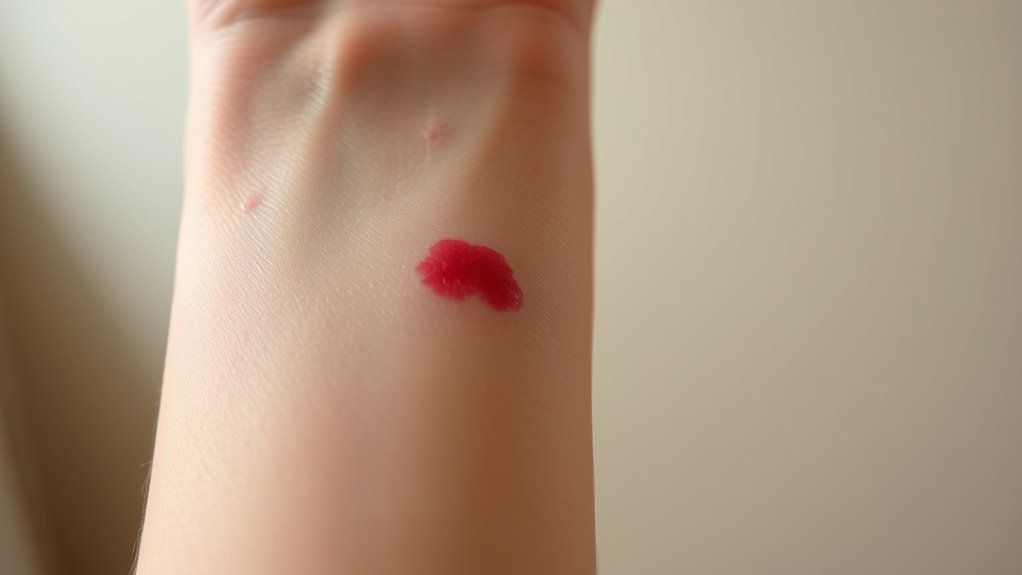
Although it might seem intimidating, getting hit by a BB gun usually feels like a quick sting or snap, similar to a rubber band flicking your skin. Your pain level depends on several factors: the gun’s FPS, BB weight, distance, and where it strikes your skin.
Getting hit on exposed areas like your face, neck, or fingers often causes a sharper impact sensation and more discomfort. Wearing proper clothing and protective gear, such as long sleeves or goggles, can greatly reduce the pain and shield your skin from direct hits.
Usually, the initial sting fades within seconds, but the exact sensation varies based on how close you are to the shooter and the protective measures you take. Understanding this helps you better prepare and respond to any impact.
Understanding Common BB Gun Injuries
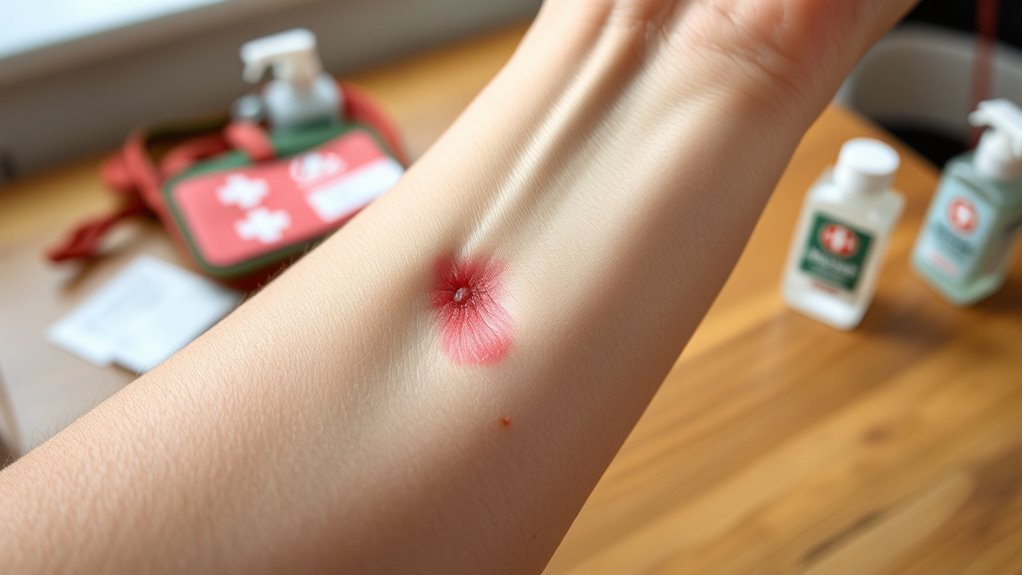
You should know that BB guns can cause various injuries, from bruises and cuts to serious wounds from direct hits.
The severity often depends on where the BB strikes, with the eyes, face, and head being the most vulnerable.
Understanding these common injury sites helps you grasp how dangerous a BB gun can be.
Types Of Injuries
When BB guns strike, they often cause injuries to sensitive areas like the eyes, face, head, or neck, which make up about 31% of cases in children. Eye injuries are especially common and dangerous.
Penetrating injuries from high-velocity guns or close-range use can potentially cause permanent vision loss. Besides the eyes, you might see lacerations and contusions on the face or neck from direct hits or bouncing projectiles.
These wounds can require hospitalization, especially when the BB penetrates the skin or damages deeper tissues. The force behind high-velocity guns increases the risk of serious damage.
This means even a small BB can cause life-threatening injuries. Understanding these types of injuries helps you recognize when urgent treatment is necessary.
Injury Severity Factors
Because BB gun injuries vary widely, understanding the factors that influence their severity is essential. Injury severity depends on muzzle velocity, impact location, and distance.
Close-range shots drastically increase the risk of serious harm, especially ocular trauma. This type of injury accounts for 37% of hospitalizations and can cause permanent vision loss.
Velocity thresholds play a vital role. Lower speeds may cause minor skin punctures, while higher velocities can lead to fractures or internal damage.
| Factor | Effect on Injury Severity |
|---|---|
| Muzzle Velocity | Higher speeds cause deeper wounds |
| Impact Location | Eyes and chest are high-risk areas |
| Close-Range Shots | Increase severity considerably |
| Velocity Thresholds | Determine injury type & depth |
| Ocular Trauma | High risk of permanent damage |
Common Injury Sites
Although BB guns might seem harmless, they most often injure the eye, face, head, and neck—areas that make up about 31% of all cases. You should know that severe injury is common, especially with eye injuries, which account for 37% of hospitalized cases.
Kids aged 10-14 face the highest risk, often suffering facial injuries or head trauma at home, where 55% of incidents occur. Neck injuries are also a concern due to the close range of many accidents.
To protect yourself or others, always use protective eyewear when handling BB guns.
Common injury sites include:
- Eye injuries causing severe damage
- Facial injuries involving soft tissue or bone
- Head trauma and neck injuries from direct hits or ricochets
How Clothing and Distance Affect BB Gun Pain and Injury
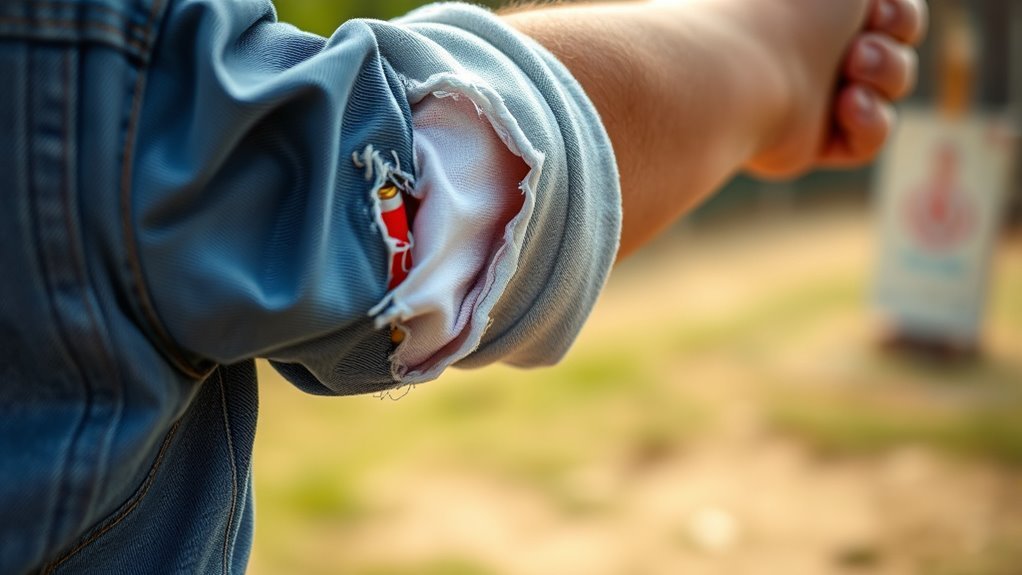
How much a BB gun hurts depends a lot on what you’re wearing and how far you are from the shooter. Thick clothing like jeans can block BBs from causing serious injury, especially beyond 24 meters.
Staying farther away lowers the BB’s speed, meaning less pain and fewer injuries. So, the farther you are, the better off you’ll be. It really makes a difference!
Clothing Impact on Injury
When you wear thick clothing like jeans or long sleeves, you reduce the chance that a BB will penetrate your skin, especially beyond 24 meters where the pellet loses strength.
Clothing acts as a barrier, absorbing the impact and lowering pain and injuries. Thin or exposed skin—like on your face or fingers—feels sharper pain and faces a higher risk of penetration.
Proper protection, such as gloves and long sleeves, helps minimize injury during BB gun use.
- Thick clothing significantly reduces penetration risk and pain
- Thin or no clothing increases injury severity
- Protective clothing absorbs impact and protects sensitive areas
Understanding clothing’s role in impact and injuries helps you stay safer while enjoying BB gun activities.
Distance and Pain Levels
Because BB guns deliver more impact energy at close range, shots fired within 3 meters can cause sharper pain and a higher risk of injury. At this distance, the velocity and impact are strong enough to break the skin, leading to intense pain levels.
As the distance increases, the BB’s velocity decreases, reducing impact energy and pain. For example, shots from 24 meters or more often won’t penetrate skin, especially when clothing like jeans is worn.
Thick or long-sleeved clothing further lessens the sting by absorbing some impact. To minimize pain and injury, you should always consider both distance and clothing.
Staying farther away and wearing protective clothing notably lowers the chance of serious injury and reduces the pain you’ll feel from a BB gun hit. It’s a simple way to stay safer and more comfortable.
How to Recognize Serious BB Gun Injuries
Although BB guns might seem harmless, you should never ignore injuries that involve deep wounds, severe pain, or bleeding. These can signal serious damage to crucial organs or tissues.
Serious injury can result from puncture wounds hitting critical areas, causing internal damage that often requires immediate medical attention. If you notice bleeding that won’t stop, swelling, or severe pain beyond minor bruising, take it seriously.
Symptoms like difficulty breathing or loss of consciousness also indicate urgent care is needed.
Watch for these signs of serious BB gun injuries:
- Deep puncture wounds or swelling around vital organs
- Uncontrolled bleeding or severe pain at the injury site
- Signs of internal damage such as difficulty breathing or confusion
Immediate First Aid Steps for BB Gun Wounds
Recognizing serious BB gun injuries is important, but knowing how to respond immediately can prevent complications.
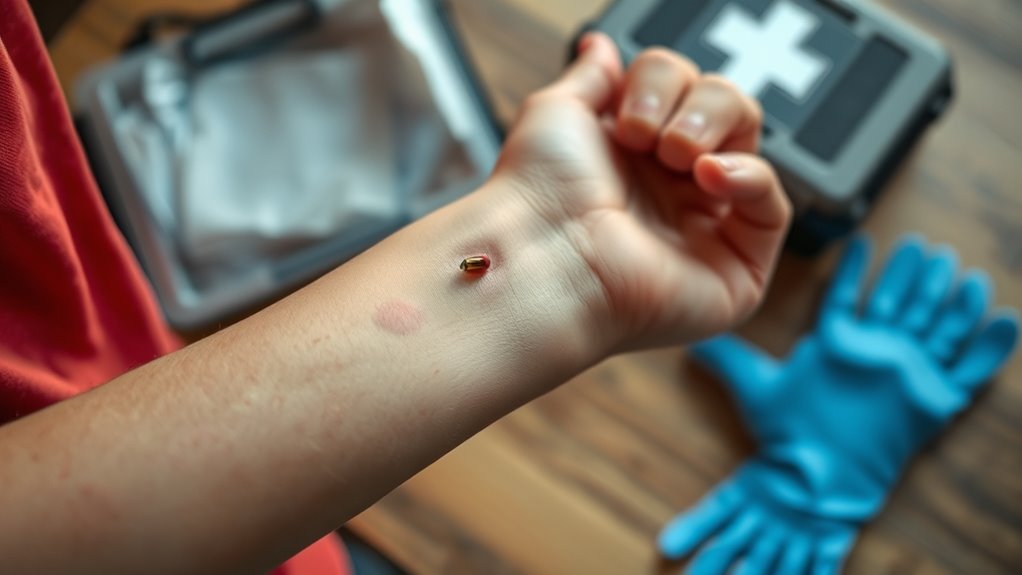
For BB gun wounds, start by rinsing the area with clean water to remove debris and lower infection risk. Then, apply gentle pressure with a clean cloth or sterile bandage to control bleeding.
After that, use an antiseptic ointment and cover the wound with a sterile bandage. If you can, keep the injured part elevated to help reduce swelling and pain.
| Step | Action |
|---|---|
| Clean the wound | Rinse with clean water |
| Control bleeding | Apply pressure with sterile bandage |
| Prevent infection | Use antiseptic and cover wound |
Following these first aid steps helps minimize infection and supports faster healing. Just take it step by step, and you’ll be doing the right thing.
When Should You Seek Medical Attention for a BB Gun Injury?
If you experience severe pain, persistent bleeding, or notice that the BB is still lodged in your skin, you should seek medical attention immediately. Certain injuries require prompt care to prevent complications like infection or internal damage.
Don’t hesitate to get help if the BB is embedded or if the injury involves sensitive areas like the eye, head, or chest.
Seek medical help immediately if the BB is embedded or affects sensitive areas like the eye, head, or chest.
Watch for these signs that medical attention is necessary:
- An embedded projectile that can’t be safely removed at home
- Signs of infection such as redness, swelling, warmth, or pus
- Injuries potentially causing internal damage or involving vital areas
Taking action quickly can prevent worsening conditions and ensure proper treatment for BB gun injuries. So, if you’re unsure, it’s always better to be safe and see a healthcare professional.
Effective Prevention Tips to Avoid BB Gun Injuries
Because BB guns can cause serious injuries, taking preventive measures is vital to keep yourself and others safe. Always use proper handling techniques and wear appropriate safety gear, including protective equipment like goggles and face masks.
Make certain you only shoot in designated safe areas, away from bystanders and public spaces. Supervision is essential, especially when children are involved, to prevent accidental injuries.
Store BB guns unloaded and locked away to avoid unsupervised access. Regularly inspect and maintain your BB gun to guarantee it operates within recommended velocity limits.
Busting Common Myths About BB Gun Injuries and Safety
Though many people think BB guns are harmless toys, they can cause serious injuries that you shouldn’t ignore. BB gun injuries happen even at low velocity, with pellets able to puncture skin and cause lasting tissue damage.
BB guns may seem harmless but can cause serious injuries, even at low speeds.
You might believe only high-velocity guns are dangerous, but children safety experts warn all BB guns require caution. Neglecting safety gear or injury prevention can lead to severe outcomes, including permanent disability.
Remember these key facts:
- BB guns can cause serious tissue damage regardless of velocity
- Using proper safety gear is essential for injury prevention
- Children are most at risk and need strict supervision
Understanding these truths helps you protect yourself and others, busting common myths that downplay BB gun risks. It’s really important to take BB gun safety seriously!
Frequently Asked Questions
How Painful Is Being Shot by a BB Gun?
Being shot by a BB gun usually stings briefly like a rubber band snap.
You’ll feel more pain hitting sensitive spots, but with proper gear and distance, the discomfort stays manageable and fades quickly.
It’s not something that lingers, and most folks say it’s more surprising than truly painful.
What Hurts Worse, a Pellet Gun or a BB Gun?
Pellet guns pack a painful punch compared to BB guns. You’ll feel sharper, stronger strikes with pellets because they fly faster and hit harder.
Can You Get Injured From a BB Gun?
Yes, you can get injured from a BB gun. BBs can puncture skin and cause serious damage, especially to sensitive areas like your eyes or chest.
Which Type of BB Gun Is the Most Painful?
The most painful BB guns are high-velocity models shooting near 900-1,000 feet per second. If you get hit by one, especially up close, you’ll feel sharp, intense pain and possibly serious tissue damage.
Yeah, it’s no joke. Getting struck by one of these can really hurt and even cause some serious injuries if you’re not careful. So, always be cautious when handling these powerful BB guns!
Conclusion
So, does a BB gun really hurt? While it might seem harmless, you know it can cause pain and serious injuries depending on distance, clothing, and where it hits you.
Don’t underestimate these risks—recognize when to treat wounds yourself and when to see a doctor. Taking simple prevention steps can save you from unnecessary pain and danger.
After all, staying safe while having fun with BB guns is the smart choice. Understanding the potential injuries and knowing how to respond can make all the difference. So, be cautious, protect yourself, and enjoy your activities without putting your health at risk.