How to Determine If Byrna Guns Are Legal in Your State
To determine if Byrna guns are legal in your state, start by checking your state’s specific laws since regulations vary widely. Some states treat Byrna guns like firearms, requiring permits, while others allow them as non-lethal self-defense devices with fewer restrictions.
Knowing these distinctions is key to staying compliant and safe. Don’t forget to review local ordinances, which can often be stricter than state laws. These rules might affect where and how you can carry or use a Byrna gun.
Also, confirm shipping rules if you plan to buy online, as some areas have tight regulations on delivery. Keep clarifying these points to fully understand how Byrna ownership fits within your area’s laws.
Taking these steps helps ensure you’re informed and prepared before making a purchase or carrying your Byrna gun.
Key Takeaways
- Check your state’s official firearms and weapons statutes for classifications and restrictions on Byrna devices. This will give you a clear idea of what’s allowed where you live.
- Don’t forget to review local city or county ordinances too. Sometimes they have stricter rules or even outright bans on Byrna guns.
- You should also verify if your state requires permits, registration, or licensing for non-lethal self-defense weapons like Byrna guns. It’s better to be safe and know the requirements ahead of time.
- Make sure to confirm whether specific types of projectiles, such as chemical irritants, are regulated or prohibited in your area. Different places can have different rules on this.
- Lastly, consult reputable legal resources or local law enforcement to ensure compliance before purchasing or carrying a Byrna device. They can provide up-to-date info and answer any questions you might have.
Understanding Byrna Guns and Their Legal Classification
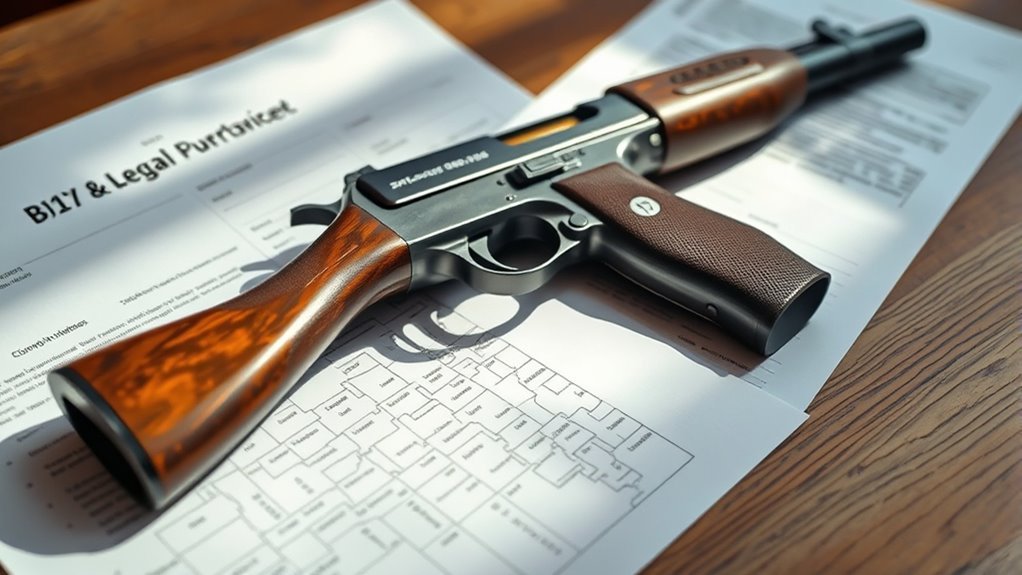
Although Byrna guns look like small handguns, they aren’t classified as firearms under federal law. That’s because they use compressed CO2 instead of gunpowder to launch non-lethal .68 caliber projectiles.
When you choose Byrna for non-lethal self-defense, you get to pick from various projectiles like Byrna Pepper Projectiles, Cal Kinetic Projectiles, or Cal Pro Training Projectiles. These options give you some flexibility without crossing into firearm territory.
This unique design affects their legal classification, making Byrna devices generally legal across the U.S. Still, you should keep in mind there are shipping restrictions and specific local rules.
Byrna guns and pepper spray projectiles are considered self-defense weapons. But, you’ll want to check your jurisdiction’s stance to make sure you’re following all regulations before buying or carrying one.
Navigating State and Local Regulations for Byrna Devices
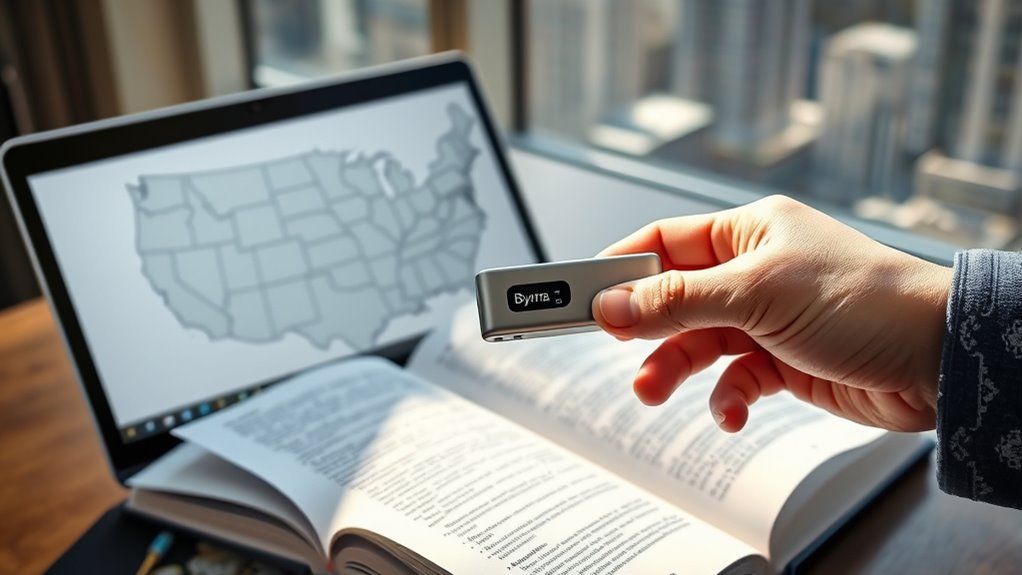
How do state and local laws affect your ability to own and carry Byrna devices? State laws and local ordinances vary widely, so you must research legal regulations in your area before purchasing or carrying a Byrna.
Some jurisdictions classify Byrna launchers and their pepper rounds as firearms, triggering licensing requirements, while others treat them as non-lethal weapons with fewer restrictions. City restrictions can be even stricter; for example, New York City bans Byrna devices outright despite state-level legality.
Additionally, certain local laws limit the types of projectiles you can carry, including chemical irritants. To ensure full compliance, verify whether your locale requires registration, marking, or permits for Byrna devices.
Understanding these nuances helps you avoid legal trouble and responsibly enjoy your non-lethal self-defense tool.
Frequently Asked Questions
Can I Carry a Byrna in My Car?
You can carry a Byrna in your car only if your state and local laws allow it. Always check regulations carefully, as some places require permits or prohibit Byrnas altogether, especially with chemical rounds inside.
What Are the Drawbacks of a Byrna Gun?
You face legal confusion, risk mistaken identity, and encounter usage limits with a Byrna gun.
You deal with shipping restrictions, potential law enforcement issues, and non-lethal limitations, making it less straightforward than a traditional firearm.
Can I Carry My Byrna Anywhere?
You can’t carry your Byrna gun just anywhere. Local laws often restrict where you can possess or carry it, so you need to be careful.
Make sure to check your city and state regulations carefully before you decide to carry. That way, you can avoid any legal trouble.
Can a Byrna Stop an Attacker?
You can definitely give an attacker a strong “time-out” with a Byrna gun. When aimed well, its chemical rounds create discomfort that temporarily incapacitates, helping you stay safe.
It buys you vital moments to escape or get help, which can make all the difference in a scary situation. So yeah, it’s a solid option for self-defense.
Conclusion
To determine if Byrna guns are legal where you live, you need to research state laws, check local regulations, and understand federal guidelines. It’s important to look at official resources and see what applies specifically in your area.
You might also want to consult legal experts who can clarify any confusing rules. Staying updated on any changes is key because laws can change over time.
By staying informed and asking the right questions, you ensure you use your Byrna gun responsibly and legally. Remember, knowing the law protects you, your rights, and your safety. So, take the time to verify your state’s policies before purchasing or carrying a Byrna gun. This way, you can enjoy the benefits of your device without any legal worries.