Does ICE Carry Guns: Understanding Their Firearm Protocol
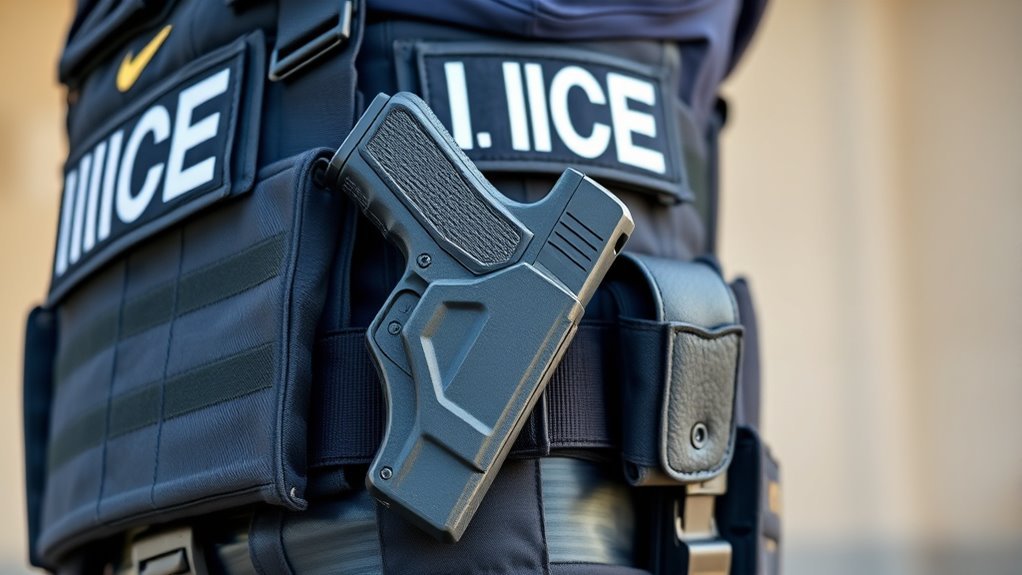
Yes, ICE agents carry firearms like Glock 9mm and Heckler & Koch pistols for protection and law enforcement duties. These weapons are standard issue to help them stay safe while performing their important work.
ICE agents are trained extensively in the safe and proportional use of these firearms. They only use their guns in self-defense or to stop serious crimes.
Their firearm skills are sharpened through rigorous testing, scenario drills, and regular qualification. This ensures they’re always ready and responsible when handling their weapons.
ICE also holds agents accountable with strict oversight and clear reporting rules. If you’re curious about how ICE selects weapons or enforces these protocols, there’s definitely more to explore.
The process is thorough and designed to maintain safety for both agents and the public.
Key Takeaways
- ICE agents are authorized and trained to carry firearms for self-defense and law enforcement duties. They have to be ready to protect themselves and others when the situation calls for it.
- Firearm use is strictly limited to imminent threats or stopping serious crimes. Agents follow proportionality rules to make sure their response fits the situation.
- ICE uses reliable pistols like Glock 9mm and Heckler & Koch .40-caliber. These weapons are chosen after rigorous testing to ensure they perform well under pressure.
- Agents undergo extensive live-fire training and scenario drills. They also have to regularly qualify to keep their skills sharp and stay prepared.
- Firearm use is closely monitored with strict reporting and oversight. Independent reviews are in place to make sure there’s accountability every step of the way.
Do ICE Agents Carry Firearms?
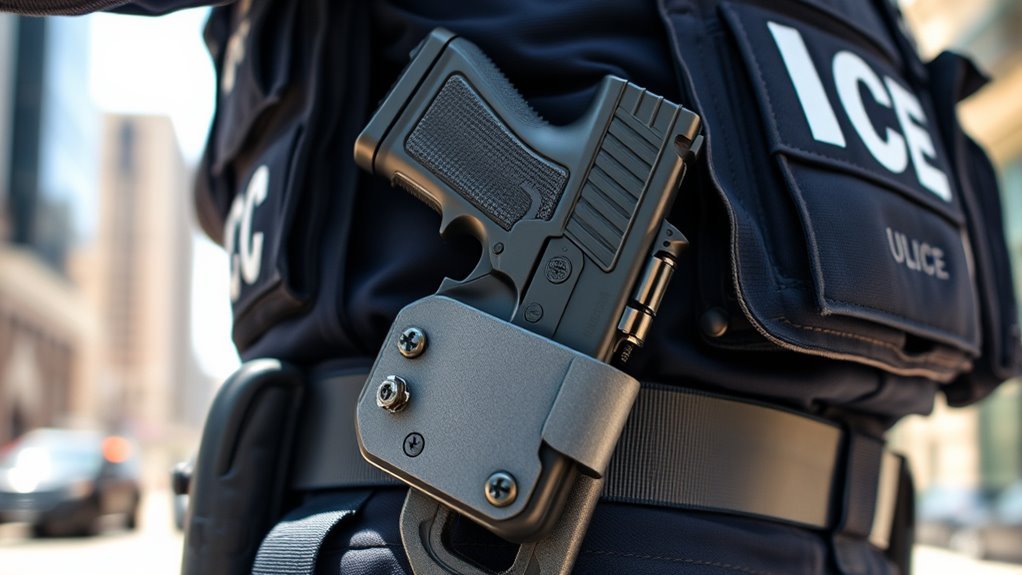
While you might not always see them, ICE agents do carry firearms as part of their law enforcement duties. In fact, over 12,000 officers are expected to be armed, with the potential for up to 45,000 carrying firearms in the future. These weapons are essential tools that help agents perform their duties safely and effectively.
ICE carefully selects firearms, ensuring each undergoes rigorous testing, including firing 10,000 rounds and enduring environmental stress assessments. This process guarantees reliability under demanding conditions.
While agents currently carry various firearms based on agency standards, efforts are underway to standardize their weaponry across the board. So, next time you wonder, yes—ICE agents are authorized and trained to carry firearms as part of their critical enforcement roles.
What Types of Firearms Do ICE Agents Use?
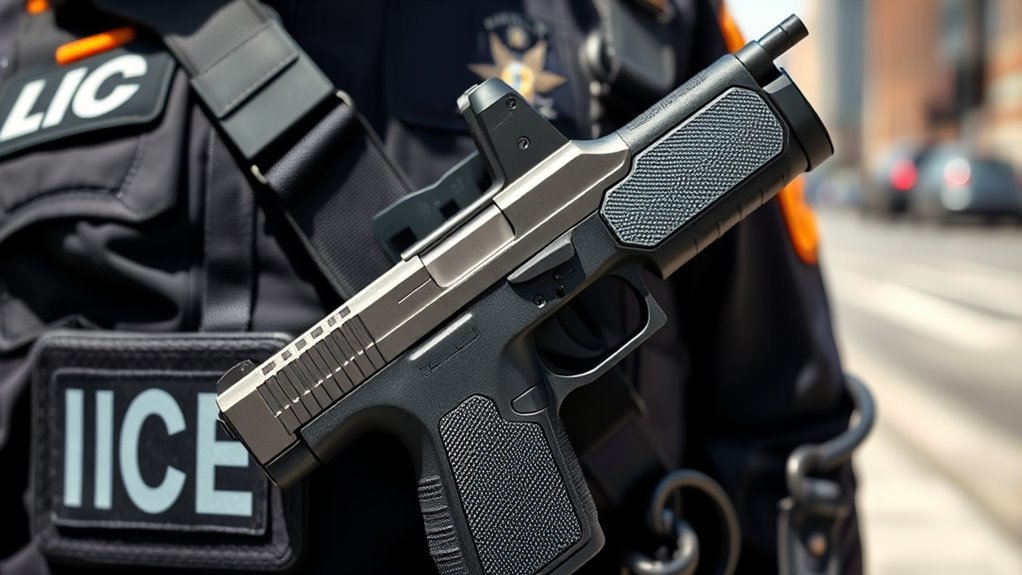
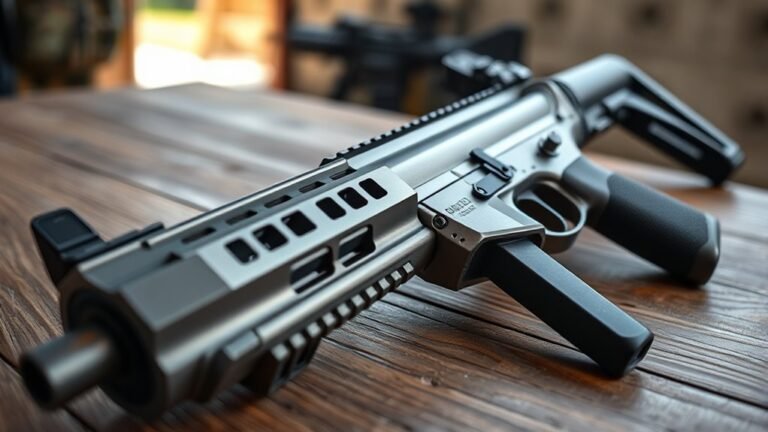
Because ICE agents face diverse and challenging situations, they carry a range of firearms tailored to their operational needs. These firearms undergo rigorous testing to guarantee reliability and durability, with some models fired up to 10,000 rounds before deployment.
You’ll find that ICE selects firearms through a competitive process involving major manufacturers to maintain safety and performance standards. Here are the primary types of firearms ICE agents use:
- Glock 9mm pistol – widely used due to its reliability
- Heckler & Koch .40-caliber pistol – valued for accuracy and durability
- Sig Sauer .357-caliber pistol – preferred in certain procurement batches
- Other models from Beretta and Smith & Wesson, contributing to the effort to standardize weapons across divisions
This range reflects ICE’s commitment to equipping agents effectively while aiming for consistency. It’s all about making sure they have the right tools for the job.
When Are ICE Agents Authorized to Use Force and Firearms?
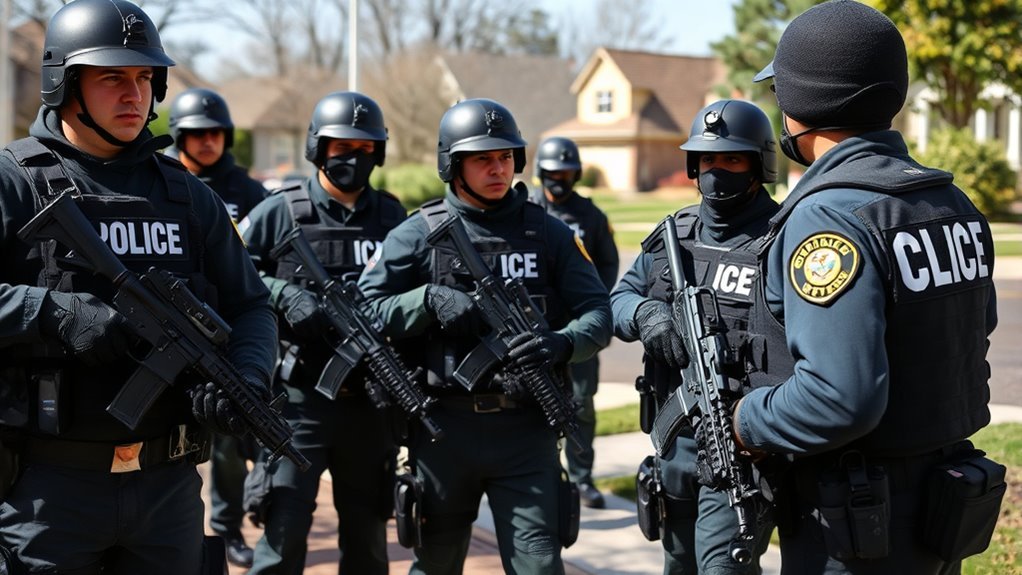
Knowing the types of firearms ICE agents carry helps you understand why there are strict guidelines on when they can use these weapons.
ICE agents are authorized to use firearms only in self-defense, defense of others, or to stop serious crimes when less forceful options have failed. They must guarantee their use of force is proportional and only when facing an imminent threat of death or serious injury.
Firearms may be employed during arrests, enforcement actions, or any situation where agents face immediate danger. Agents carefully assess threats and resort to firearms solely to protect life or security.
Their use of force follows legal and departmental rules, including detailed reporting and accountability. This ensures firearms are handled responsibly and only when absolutely necessary.
How Are ICE Agents Trained to Use Firearms?
Before ICE agents are authorized to carry firearms in the field, they complete rigorous training designed to build their skills and judgment under pressure. You’ll find their firearms training covers several critical areas:
- Extensive live-fire exercises and environmental stress tests to ensure proficiency.
- Continuous professional development focused on marksmanship, safety protocols, and proper use of force.
- Legal and ethical education emphasizing restraint, proportionality, and human rights in firearm use.
- Scenario-based drills simulating hostage situations and crowd control to prepare for real-world encounters.
Additionally, you must pass regular qualification tests, firing thousands of rounds annually to maintain accuracy and competence. This thorough training ensures ICE agents handle firearms responsibly and effectively in the field.
How Does ICE Hold Agents Accountable for Firearm Use?
You’ll see that ICE holds agents accountable through strict legal measures and thorough reporting requirements. Every firearm incident gets reviewed by supervisors and oversight bodies to guarantee ethical use.
If an agent steps out of line, disciplinary actions are enforced to maintain responsibility. This way, they make sure everyone follows the rules and stays accountable.
Legal Accountability Measures
Although ICE agents work in high-pressure situations, the agency holds them to strict standards when it comes to firearm use. You’ll find that legal safeguards are central to guaranteeing accountability.
Here’s how ICE enforces these measures:
- Agents must submit detailed reports for any firearm use, creating transparency.
- Supervisors actively monitor compliance and face consequences if they ignore unlawful conduct.
- Independent reviews investigate incidents impartially, preventing bias.
- Legal protections shield agents who refuse unlawful orders or report misuse from retaliation.
These steps make sure ICE agents don’t act outside their authority without facing consequences. By regularly reviewing use-of-force incidents and enforcing corrective actions, the agency maintains a strong framework of legal accountability that you can trust.
Reporting And Oversight
How does ICE guarantee agents stay accountable when using firearms? ICE requires prompt, detailed reporting of any firearm incidents, especially those involving deaths or serious injuries. This reporting ensures transparency and triggers thorough reviews by superiors, who can face consequences if they knew—or should have known—about unlawful use.
ICE also has independent review processes to investigate firearm-related misconduct, offering an extra layer of oversight. If you’re an officer, you’re protected from disciplinary action when refusing unlawful orders or reporting illegal firearm use.
Plus, ICE mandates regular training and incident reviews to reinforce accountability and improve protocols. Through these measures, ICE maintains strict reporting and oversight, holding agents responsible for their firearm use at every level.
Ethical Use Enforcement
When ICE agents use firearms, they must follow strict ethical guidelines backed by thorough reporting and review processes. You should know that ICE enforces accountability through:
- Prompt, detailed reports for any firearm discharge to ensure transparency.
- Extensive investigations that can lead to disciplinary or legal actions if misuse occurs.
- Ongoing ethics and human rights training to guide responsible firearm use.
- Independent oversight bodies that uphold legal and ethical standards while protecting agents who report misconduct or refuse unlawful orders.
These measures help keep things clear and fair. So, you can trust that every step is taken seriously to promote ethical behavior.
What Are the Rules for ICE Officers Transporting Firearms?
Because ICE officers must adhere to strict TSA regulations when transporting firearms, you need to declare any firearms during check-in. Make certain they’re unloaded, and store them in a locked, hard-sided container.
Firearms and their parts can never be carried in your carry-on luggage. When traveling armed, you should review the TSA law enforcement travel section on tsa.gov to understand specific procedures and possible exceptions.
If a firearm alarm triggers during screening, TSA will try to contact you. If they can’t reach you, your firearm container won’t be loaded onto the plane.
To avoid penalties or delays, always double-check that you’re not carrying prohibited items. Follow all TSA firearm transport rules carefully. This guarantees compliance and smooth travel when carrying firearms.
How Does ICE Select and Procure Its Firearms?
Although selecting firearms for ICE involves rigorous testing and evaluation, you should know the process prioritizes fairness and reliability above all else. ICE’s firearm procurement is the largest in U.S. law enforcement history, guaranteeing standardized, dependable weapons for over 12,000 officers.
Here’s how ICE selects and procures its firearms:
- Conducts extensive testing, firing 10,000 rounds per model under environmental stress to assess durability and performance.
- Holds open competitions among top manufacturers like Heckler & Koch, Glock, and Smith & Wesson.
- Focuses on avoiding political bias by emphasizing transparency and fairness throughout procurement.
- Aims to standardize weapons across agencies to meet diverse operational needs efficiently.
This competitive, data-driven approach ensures ICE selects the most reliable firearms for its officers.
How Does ICE Coordinate Firearm Standards With Other Agencies?
Since ICE merged with Customs and INS to form U.S. Immigration and Customs Enforcement under Homeland Security, coordinating firearms and ammunition standards has been a priority. You’ll find that despite efforts to unify, each agency still carries different firearms due to specific operational needs and preferences.
The agencies conduct extensive testing, firing 10,000 rounds and subjecting weapons to harsh environmental stress to select common firearm models. A transparent, competition-based procurement process guarantees quality and prevents political bias.
Though ICE shares training and organizational frameworks with other agencies, full standardization of firearms and ammunition remains a work in progress. This approach balances the goal of unity with the practical realities each agency faces in their distinct missions and environments.
Frequently Asked Questions
What Is the 333 Rule for Guns?
The 333 Rule means you check a firearm three times: before, during, and after use. You handle it carefully through these stages, ensuring it’s safe and properly stored.
This helps prevent accidents and keeps gun use responsible. It’s a simple way to stay safe every time you handle a firearm.
What Firearms Are ICE Agents Carrying?
You’ll find ICE agents carrying firearms like the .40-caliber Heckler & Koch, Glock 9 mm, and Sig Sauer .357-caliber pistols. They’re tested heavily to guarantee safety, durability, and performance for various operational roles.
These guns aren’t just picked at random. They have to perform well under different conditions and keep agents safe while on duty. It’s all about reliability when it counts the most.
Can ICE Agents Carry Guns off Duty?
Back in the Wild West, quick draw was everything.
You can carry a gun off duty as an ICE agent, but you’ve got to follow strict rules to keep it secure. Plus, you need to be ready to respond if danger strikes unexpectedly.
What Handgun Do ICE Agents Carry?
ICE agents typically carry handguns like the .40-caliber Heckler & Koch, Glock 9 mm, or Sig Sauer pistols. These models are chosen for reliability, safety, and effectiveness.
They make sure agents are well-equipped for various law enforcement duties. It’s all about having a firearm you can trust when it counts.
Conclusion
You might think ICE agents carry guns recklessly, but that’s not the case. They follow strict protocols, undergo rigorous training, and face clear accountability measures.
Picture a well-structured chain of command where every firearm use is documented and reviewed. So, while ICE agents do carry firearms, it’s always within carefully controlled guidelines designed to protect both agents and the public.
You can trust their approach balances safety with responsibility. ICE carries guns with a focus on professionalism and accountability, ensuring their firearm protocol supports law enforcement goals without compromising public safety.