How to Check if a Gun Is Stolen in 3 Simple Steps
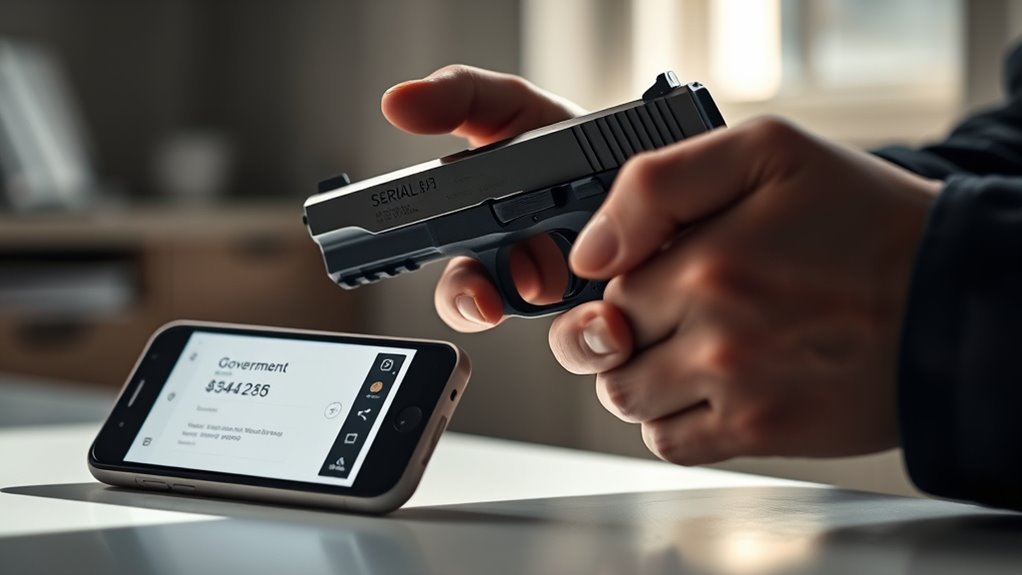
To check if a gun is stolen, start by entering the firearm’s serial number into the official Ohio Stolen Gun Database. This is a quick way to get an initial match and see if the gun has been reported stolen. It’s an important first step to protect yourself and others.
Next, reach out to your local law enforcement. They can verify the gun’s status using systems like LEADS or NCIC. These databases provide the final confirmation you need before moving forward.
Finally, keep an eye out for warning signs. For example, altered or scratched-off serial numbers and suspiciously low prices can be red flags.
Following these steps not only helps you stay safe but also supports your community by preventing illegal gun use. There’s more to learn about handling these situations safely, so stay informed!
Key Takeaways
- Search the Ohio Stolen Gun Database using the firearm’s serial number for initial identification.
- Contact local law enforcement to verify the serial number’s status officially.
- Use official systems like LEADS, NCIC, or eTrace for accurate stolen gun confirmation.
- Watch for altered serial numbers or suspiciously low firearm prices as warning signs.
- Immediately report suspected stolen or tampered firearms to law enforcement for safety.
It’s always better to be safe and let the pros handle it if something seems off.
Search the Official Ohio Stolen Gun Database Carefully by Serial Number
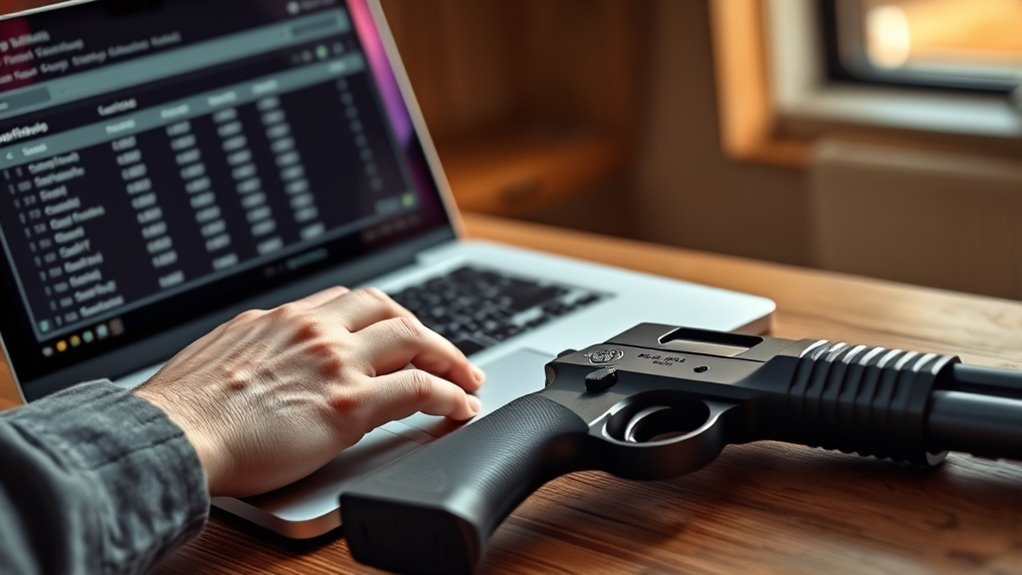
Before you take any further steps, you should search the Official Ohio Stolen Gun Database by entering the firearm’s serial number. This unique identifier, engraved or stamped on the firearm, is vital for accurate firearm identification.
The Ohio stolen gun database updates daily at 11 p.m., reflecting stolen property reports from law enforcement agencies statewide. It’s linked to the LEADS system, ensuring thorough reporting from various law enforcement agencies.
When you enter the serial number, you’re tapping into data provided by the manufacturer and local agencies to spot stolen firearms. While a positive match suggests the gun is reported stolen, keep in mind that confirmation from a law enforcement agency is essential before acting on this information.
Verify Stolen Gun Search Results With Local Law Enforcement
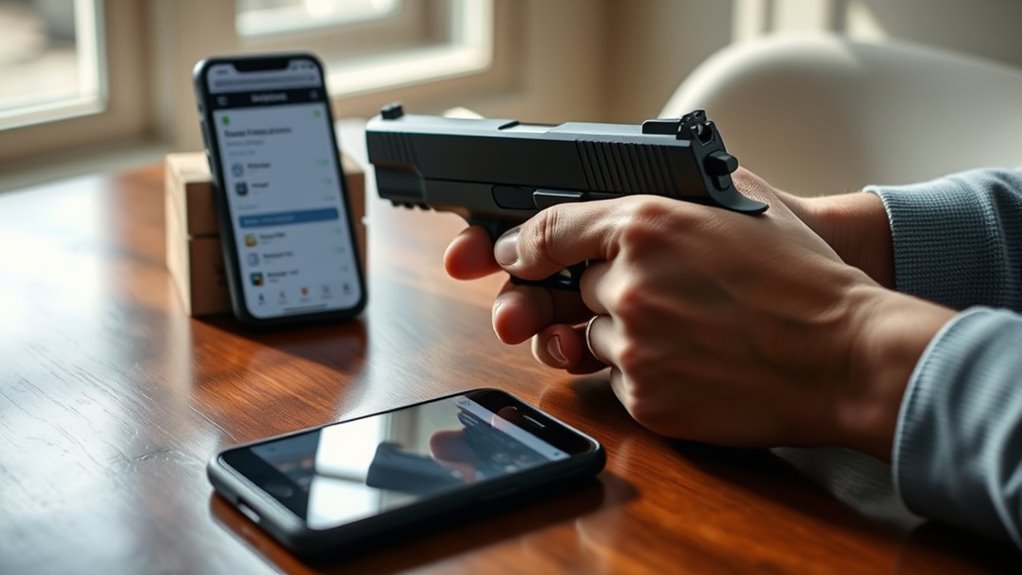
Although online databases offer a useful starting point, you should always verify stolen gun search results by contacting your local law enforcement agency directly. Use the firearm’s serial number when requesting verification to guarantee accurate identification.
Remember, databases might not reflect the current status of a stolen gun. So, Ohio law enforcement and other law enforcement agencies perform official checks through systems like LEADS, NCIC, or eTrace for confirmation.
This direct contact with the reporting agency guarantees accurate and up-to-date firearm identification.
| Step | Description |
|---|---|
| Provide Serial Number | Give the exact serial number for verification. |
| Contact Agency | Reach out to local or Ohio law enforcement. |
| Request Official Check | Ask for confirmation via LEADS or NCIC. |
| Confirm Status | Get final verification from the reporting agency. |
Always rely on law enforcement for stolen gun verification.
Recognize Warning Signs and What to Do If a Gun Is Stolen
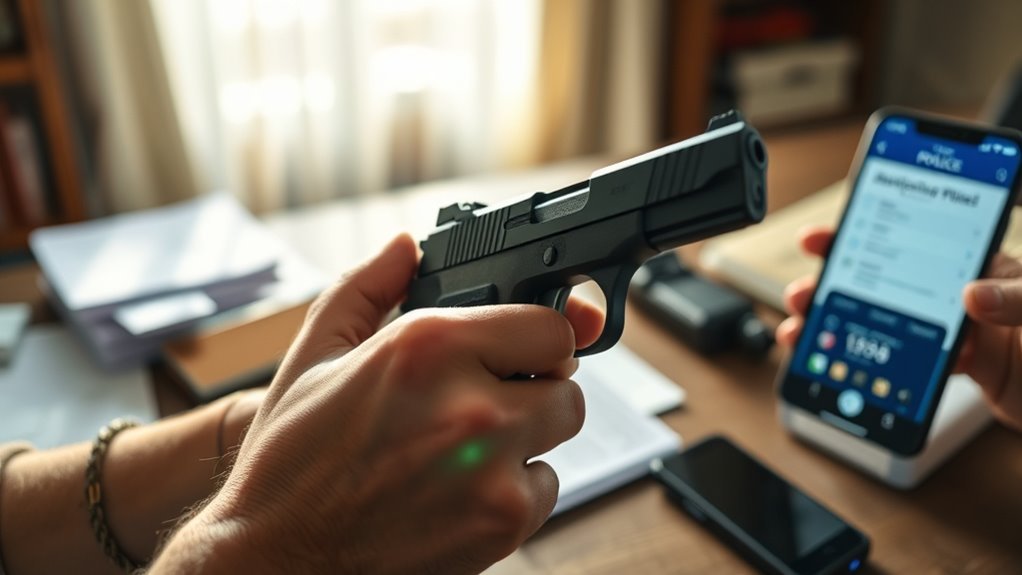
When you spot signs like altered serial numbers, mismatched parts, or suspiciously low prices, you should treat the firearm with caution and avoid handling it further. These warning signs often indicate tampering, which can suggest a stolen gun.
Notice altered serial numbers or mismatched parts? Handle with caution—these signs may indicate a stolen firearm.
It’s a good idea to conduct a serial number check through official channels like the ATF or LEADS databases for firearm verification. Just keep in mind, a match doesn’t confirm theft without law enforcement input.
If you suspect a reported theft or find evidence of tampering, immediately notify local law enforcement. Prompt reporting helps protect community safety by preventing illegal circulation of stolen firearms.
Always cooperate with authorities during firearm verification to ensure proper handling and support efforts to reduce gun-related crime. This way, you’re helping keep everyone safer.
Frequently Asked Questions
Is There Anyway to Check if a Gun Is Stolen?
You can check if a gun is stolen by contacting local law enforcement to run a serial number check or using public databases like Ohio’s Stolen Gun Portal.
Always confirm suspicions with police before acting. It’s better to be safe and let the pros handle it.
How Do You Run a Serial Number on a Gun to See if It’s Stolen?
Picture yourself like a Sherlock Holmes with a magnifying glass—just call your local police or licensed dealer.
Provide the serial number, and they’ll check databases to see if the gun’s stolen before you move forward.
Can I Track a Gun by Serial Number?
Yes, you can track a gun by its serial number through law enforcement databases like NCIC or ATF eTrace.
There are also public portals that can help with this.
But, it’s always best to verify with the authorities to get the most accurate and updated information.
Can I Look up a Gun by Its Serial Number?
Like searching for a lost treasure, you can look up a gun by its serial number. You’ll need access to official databases or law enforcement help since only they hold reliable, up-to-date stolen firearm records.
It’s not something you can just do on your own easily. So, if you’re curious or need to check, reaching out to the right authorities is your best bet.
Conclusion
By taking these thoughtful steps, you’ll navigate the process of checking a gun’s history with greater confidence and care. Remember, a little diligence goes a long way in ensuring you’re making a responsible choice.
When in doubt, seeking guidance from local authorities adds an extra layer of reassurance. Staying informed not only protects you but also contributes to a safer community.
Checking if a gun is stolen is an important part of responsible gun ownership. By following these simple steps, you’re helping to prevent illegal firearm transactions and promote safety. Being proactive about verifying a gun’s history means you’re making a well-informed decision that benefits both you and those around you. So take the time to check, ask questions, and when needed, reach out to the right sources to keep your community safer.