When Was Rifling Invented? A Short History
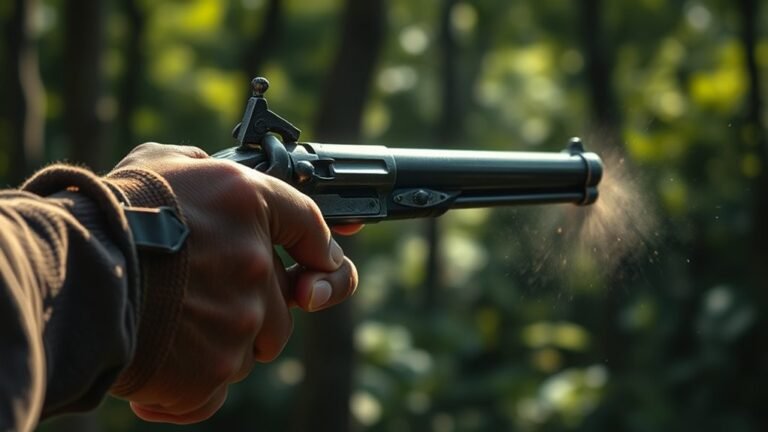
If you are asking when rifling was invented, the short answer is this: it appeared in Europe in the late 15th or early 16th century, but the exact inventor is still debated. Most historical accounts place the first spiral-grooved barrels around the early 1500s.
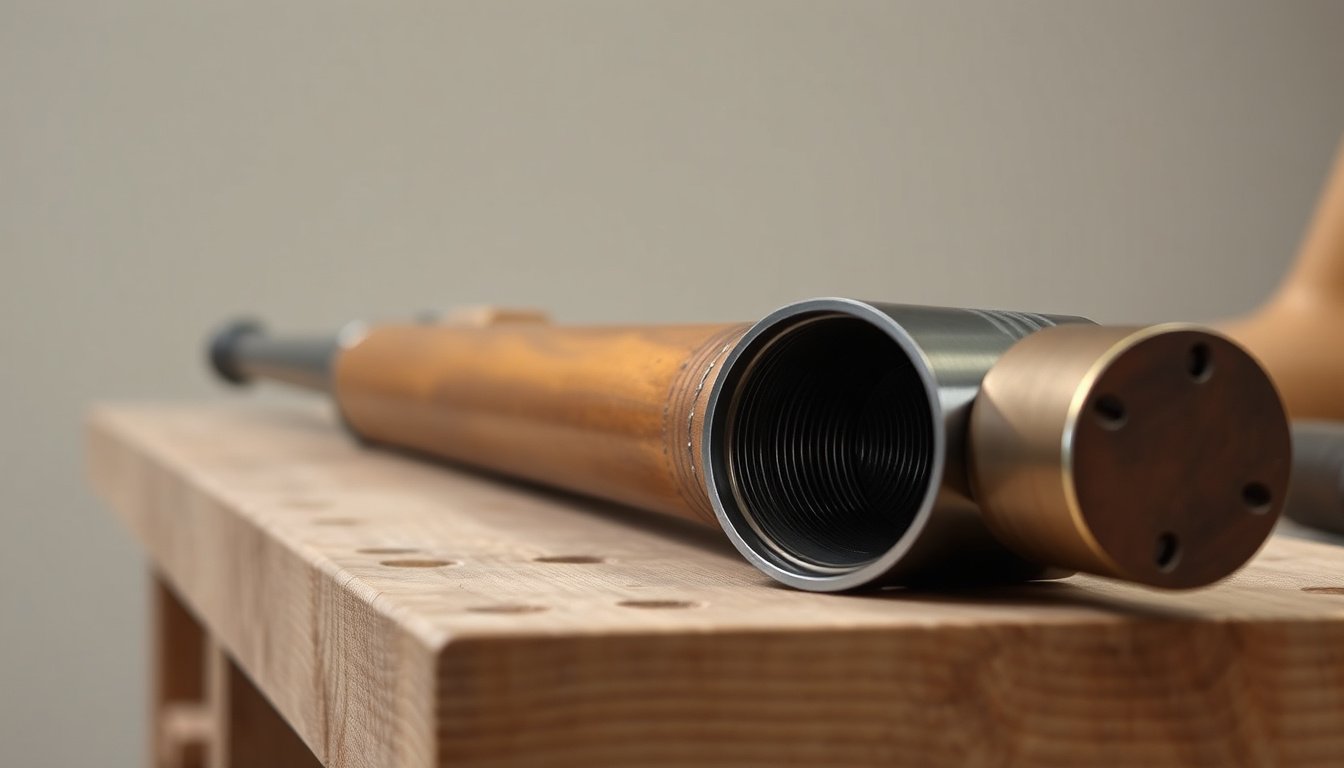
Rifling is the spiral grooves cut inside a barrel that make a bullet spin. That spin is what improves stability, accuracy, and effective range.
The history is not perfectly settled, and that is part of what makes the topic interesting. Some sources point to late-1400s straight grooves, while others credit early-1500s gunsmiths in Vienna or Nuremberg with the first true spiral rifling.
In this article, you will get the clearest answer available, plus the timeline behind it and why rifling changed firearms forever.
Key Takeaways
- Rifling was invented sometime in the late 1400s to early 1500s, depending on how you define the first version. The first spiral grooves are usually tied to the early 16th century.
- The exact inventor is disputed. Historical references often name gunsmiths from Vienna or Nuremberg, but no single universally accepted inventor exists.
- Early rifling was not immediately common. It took centuries before rifled barrels became widely practical for military use.
- Rifling works by spinning the bullet as it leaves the barrel. That spin helps the projectile fly straighter and more consistently.
- If you handle a firearm for inspection or cleaning, always treat it as loaded, point it in a safe direction, and verify it is unloaded before any maintenance.
Trace the earliest rifling
Many historians place the roots of rifling in the late 15th century. Early barrel grooves were sometimes straight, not spiral, and were likely used to help with fouling and loading problems.
The first true spiral rifling is commonly linked to the early 1500s. Some accounts name Gaspard Kollner or Koller of Vienna, while others point to Augustus Kotter of Nuremberg. The names vary by source because records from that period are incomplete and often contradictory.
That means the best answer is not a single date. It is more accurate to say rifling emerged around 1498 to 1520, with the earliest spiral barrel grooves appearing in that window.
Pro tip: If you are studying an old firearm, the barrel design tells you a lot about its intended use, because rifling was a major leap in accuracy.
For readers who also want a basic buying overview, a general guide on <>how to purchase a firearm can help explain how modern firearms are evaluated before you even get to barrel details.
Understand how rifling works
Rifling is simple in concept but powerful in effect. The grooves inside the barrel grab the bullet and make it spin around its long axis.
That spin improves aerodynamic stability. Without it, a bullet is more likely to tumble or drift, especially over longer distances.
Key parts of rifling
- Lands: the raised sections inside the barrel.
- Grooves: the cut channels between the lands.
- Twist rate: how quickly the grooves make the bullet spin.
Different twist rates suit different bullet lengths and weights. That is one reason modern rifles are matched so carefully to specific ammunition types.
| Barrel type | Inside surface | What it does | Typical use |
|---|---|---|---|
| Smoothbore | No spiral grooves | Does not spin the projectile | Historic muskets, some shotguns |
| Early grooved barrel | Straight or shallow grooves | Helps with fouling and loading | Early experimental firearms |
| Rifled barrel | Spiral grooves | Spins the bullet for stability | Most modern rifles and many handguns |
Once rifling was refined, it became one of the most important improvements in firearm design. It did not just change accuracy. It also changed how military and sporting firearms were used.
See why rifling took so long to spread
Even after rifling existed, it did not become standard right away. Early rifles were slower to load than smoothbore guns, and that mattered a lot on the battlefield.
Loose-fitting round balls were easier to load quickly, while rifled barrels often required a tighter fit. That made loading slower and more difficult, especially after repeated firing when fouling built up.
For a long time, rifling was most common in sporting arms and specialized firearms. Military adoption came much later, once manufacturing improved and the benefits of accuracy outweighed the slower loading process.
This is why the history of rifling is really a story of trade-offs. Accuracy improved first, then practical everyday use caught up later.
Follow rifling into modern firearms
Modern rifling is far more precise than the early versions. Barrel makers now control twist rate, groove depth, and bore dimensions very closely.
That precision supports a wide range of firearms, from rifles to many handguns. It also helps shooters match ammunition to the firearm for better consistency.
Today, rifling is so standard that many readers assume it must be as old as firearms themselves. It is not. It was a major innovation that took centuries to become the norm.
If you want a broader overview of how firearms are selected and handled, you may also find a general article on <>how to purchase a gun useful as a companion read.
Know the basic safety rules
Whenever you inspect a firearm barrel or discuss maintenance, keep the core safety rules in mind. Treat every gun as loaded until you personally verify otherwise.
- Point the muzzle in a safe direction.
- Keep your finger off the trigger.
- Unload the firearm before cleaning or inspecting it.
- Check the chamber and magazine carefully.
- Use the correct ammunition for that firearm.
If you are unsure about any maintenance beyond basic cleaning, a qualified gunsmith is the safest choice. That is especially true for older firearms or barrels with visible wear.
Frequently Asked Questions
Who invented rifling?
No single inventor is universally accepted. Historical sources commonly mention gunsmiths from Vienna or Nuremberg, but the records are incomplete, so the invention is usually treated as a gradual development rather than one person’s discovery.
Was rifling invented in 1520?
1520 is a common date because many histories place early spiral rifling around that time. It is a useful shorthand, but not a precise universal date, since earlier groove experiments likely existed before then.
Did rifling exist before spiral grooves?
Yes. Some early barrels had straight grooves before spiral rifling became common. Those straight grooves were useful for fouling and loading, but they did not create the same stabilizing spin as true rifling.
Why did rifling improve accuracy?
Rifling makes the bullet spin as it travels down the barrel. That spin stabilizes the projectile in flight, which helps it fly straighter and maintain accuracy over distance.
Conclusion
So, when was rifling invented? The best historical answer is that it emerged in Europe around the late 1400s to early 1500s, with spiral rifling usually placed around 1520. The exact inventor is still debated, but the innovation itself is not.
What matters most is the impact. Rifling transformed firearms by making bullets spin, which improved stability and accuracy in a way that changed shooting forever.
If you remember one thing, remember this: rifling was not an overnight invention, but it became one of the most important advances in firearm history.