When Does Gun Season Start for Deer?
If you are asking when does gun season start for deer, the short answer is: it depends on where you hunt. Deer firearm season dates vary by state, zone, and sometimes the specific firearm or season type.
That means there is no single national opening day for deer gun season. In some places, rifle season starts in early fall; in others, it opens later or is split into several separate periods.
The safest approach is to treat the calendar as a starting point, then check the exact rules for your hunting area before you go. If you keep reading, you will learn how to narrow down the right date fast and avoid common mistakes.
Before any hunt, remember the basic safety rules: treat every firearm as loaded, muzzle in a safe direction, finger off the trigger, and unload and verify before handling.
Key Takeaways
- There is no one start date for deer gun season across the country. Opening day depends on the state, management zone, and season type.
- Some places have one general firearm opener, while others use separate rifle, shotgun, muzzleloader, or antlerless seasons.
- You should always confirm the current season dates in official regulations before hunting. Dates can change from year to year.
- Weapon rules matter as much as the calendar. A season may be open, but your firearm type may still be restricted in that area.
- Safety and legal compliance go together. Know the rules, carry the right license or tag, and handle your firearm responsibly.
Check Your State Season Dates
The first step is simple: look up your state’s current deer hunting regulations. Some states post a single season chart, while others break deer hunting into multiple zones, units, or wildlife management areas.
For example, California publishes deer season information by zone and notes that rifle opening dates vary across the state. That is a good example of why a general answer is never enough on its own. Official hunting calendars and regulation booklets are the most reliable place to start.
If you want a broader primer on getting ready for deer hunting, it can also help to review the basics of <>buying a firearm legally and <>choosing the right gun for your needs before the season begins.
Pro tip: Always save or print the current season summary for the exact zone you plan to hunt, because that is the version you will actually need in the field.
Understand Why Gun Season Dates Change
Deer gun season does not stay fixed because wildlife agencies adjust dates to manage deer herds, hunter participation, habitat conditions, and local harvest goals. That is why two neighboring areas can have different opening days even within the same state.
Some states also separate seasons by weapon type. A location may have archery, muzzleloader, shotgun, and rifle seasons on different dates, with special rules for each one. California’s deer hunting materials, for example, show season windows that vary by hunt zone and by general season period.
In practice, that means you should not assume one county or one friend’s opener applies to your hunt. Always check the exact unit, zone, or wildlife area where you plan to hunt.
Match the Season to Your Weapon
A common mistake is thinking “gun season” means any firearm is legal at any time. In reality, a firearm season may still have limits on the type of gun or ammunition you can use.
Some states allow rifles in one season and shotguns only in another. Others allow muzzleloaders only during a separate season, or require nonlead ammunition in certain areas. California’s deer information also notes that some hunts restrict hunters to archery equipment or shotguns with nonlead slugs.
Use this quick reference as a general planning tool:
| Season type | What it usually means | What to verify |
|---|---|---|
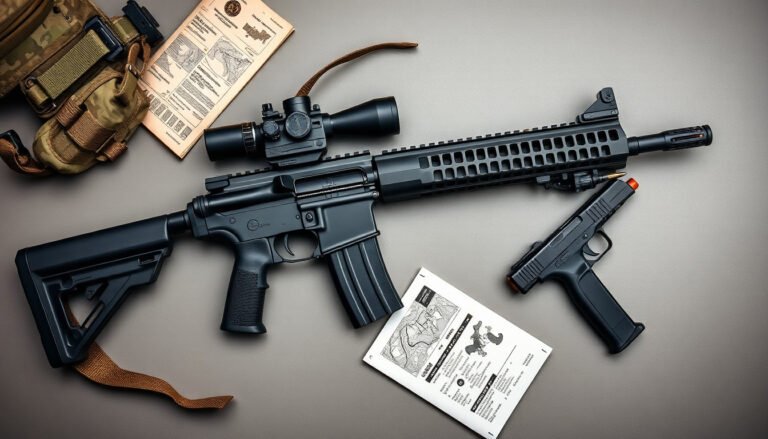
| Rifle season | Firearm hunting period where rifles may be allowed | Exact open dates, caliber limits, and zone rules |
| Shotgun season | Firearm hunting period limited to shotguns in some areas | Slug rules, barrel requirements, and projectile limits |
| Muzzleloader season | Season restricted to muzzleloading firearms | Ignition, powder, and equipment rules |
| Special antlerless season | Season aimed at harvesting does in specific areas | Tag type, bag limits, and legal deer class |
If you are not sure what firearm is legal in your area, read the hunting digest carefully and contact the wildlife agency before opening day.
Review Tags, Licenses, and Access Rules
Even if gun season has started, you still need the right paperwork. Most states require a hunting license, a deer tag or permit, and sometimes a specific zone or season authorization.
You should also confirm whether the hunting area requires special access permission, such as a state-managed property permit or a controlled hunt entry. Some deer opportunities are open broadly, while others are by application only.
Keep your documents organized before the season starts. That saves time in the field and reduces the chance of a preventable violation.
- Valid hunting license
- Correct deer tag or permit
- Zone-specific authorization, if required
- Hunter education proof, if your state requires it
- Photo ID, if needed by your state rules
If you are still working through the legal side of firearm ownership, this guide on <>how to obtain a gun license may also be useful as background reading.
Prepare Before Opening Day
The best time to get ready for deer season is well before the opener. That gives you time to verify the dates, sight in your rifle, inspect your gear, and confirm the rules for transport and loading in the field.
Before you head out, make a simple checklist:
- Confirm the season dates for your exact zone or unit.
- Check your tag, license, and any special permits.
- Inspect your firearm, optic, and ammunition.
- Practice safe handling and know your target and what is beyond it.
- Review field-dressing, transport, and reporting rules.
Safety should stay front and center every time you handle a firearm. Unload it before maintenance, keep the muzzle pointed in a safe direction, and keep your finger off the trigger until you are ready to shoot.
For a quick refresher on gear handling and maintenance habits, you may also want to read <>safe firearm ownership basics alongside your hunting prep.
Know the Most Common Deer Season Types
Many hunters use “gun season” as a catch-all phrase, but the calendar can be more detailed than that. Understanding the label helps you avoid assuming the wrong opener applies to you.
General firearm season
This is the broadest firearm hunting period in many states. It is often the main opener that most hunters think of when they ask when deer gun season starts.
Special management season
These seasons are sometimes created to reduce deer numbers in a certain area or to balance herd management. They may have different bag limits, tag rules, or equipment restrictions.
Late firearm season
Some states add a late hunt after the main season ends. These dates can be limited to certain counties, zones, or antlerless deer only.
Because the labels vary by state, the wording in your regulations matters. A season name may sound familiar, but the dates and rules can still be different where you hunt.
Frequently Asked Questions
What month does deer gun season usually start?
In many states, deer gun season begins in the fall, often in September, October, or November. The exact month depends on the state and the specific deer zone.
Some states open rifle season earlier than others, and some split the season into multiple parts. Always check the current season chart for your exact hunting area.
Does gun season start on the same day every year?
No, not always. Some states keep a similar pattern each year, but opening day can still shift because of calendar changes, wildlife management decisions, or zone-specific rules.
That is why you should never rely on last year’s date without confirming the current regulations.
Can I use any firearm during deer gun season?
Not necessarily. A firearm season may still limit you to certain gun types, such as rifles, shotguns, or muzzleloaders, depending on the area.
You also need to check ammunition rules, barrel requirements, and any local restrictions before hunting.
Where can I find the exact opening date for my area?
Your state wildlife agency’s hunting regulations are the best source. Many agencies publish season calendars, zone maps, and digest booklets online.
If the area has special rules or a controlled hunt, check the permit information as well so you do not miss a separate requirement.
Conclusion
If you are still wondering when does gun season start for deer, the most accurate answer is the one written for your exact state, zone, and weapon type. There is no universal opener, and that is what makes checking the current regulations so important.
Once you confirm the dates, tags, and firearm rules, you can focus on hunting safely and legally. Take a little extra time now, and you will be much better prepared when opening day arrives.
When in doubt, use the official season guide for your area and verify everything before you step into the woods.