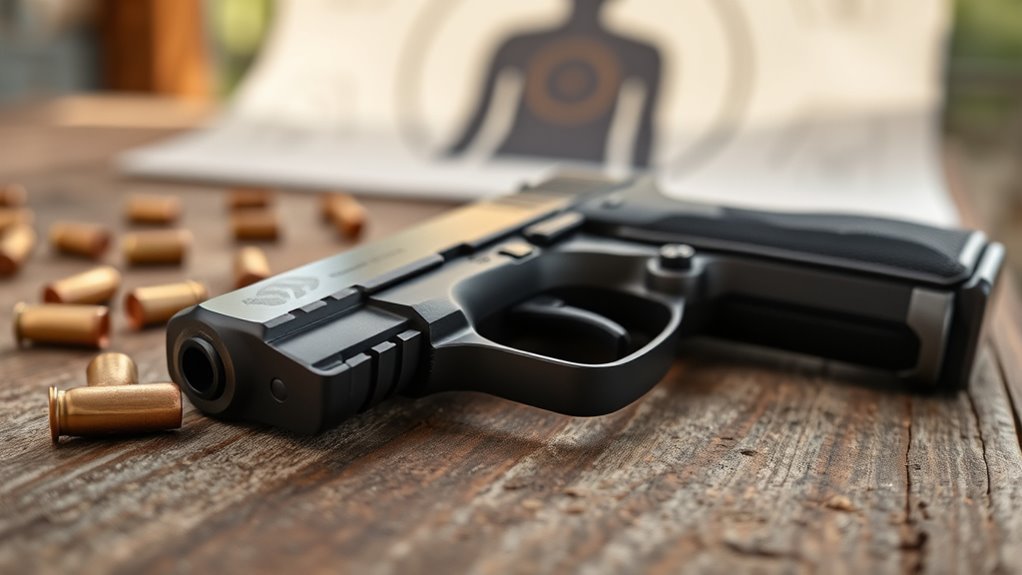
Is Dry Firing a Gun Bad?
You can dry fire your gun safely as long as you take proper precautions. Dry firing, which means pulling the trigger on an unloaded firearm, is a popular practice for improving shooting skills. But it’s important to be careful and know what you’re doing to avoid damage.
Always make sure your gun is completely unloaded before you start. Using snap caps is a smart move—they protect the firing pin from potential damage during dry firing.
Dry firing helps build muscle memory and enhances trigger control, which can really boost your accuracy.
Just be cautious if you’re working with rimfire guns, though. They’re more prone to damage when dry fired without protection.
If you keep these tips in mind, you’ll have a clearer understanding of how to practice effectively without harming your firearm. It’s a great way to improve safely!
Key Takeaways
- Dry firing is generally safe for modern centerfire firearms but can damage rimfire guns without protection.
- Always confirm the firearm is unloaded before dry firing to ensure safety.
- Using snap caps prevents firing pin damage and protects the breech face during dry firing.
- Repeated dry firing without snap caps can cause micro-damage, especially in rimfire guns.
- Dry firing is an effective, affordable training method when done with proper safety and protective measures.
What Is Dry Firing? Why Do Shooters Use It?
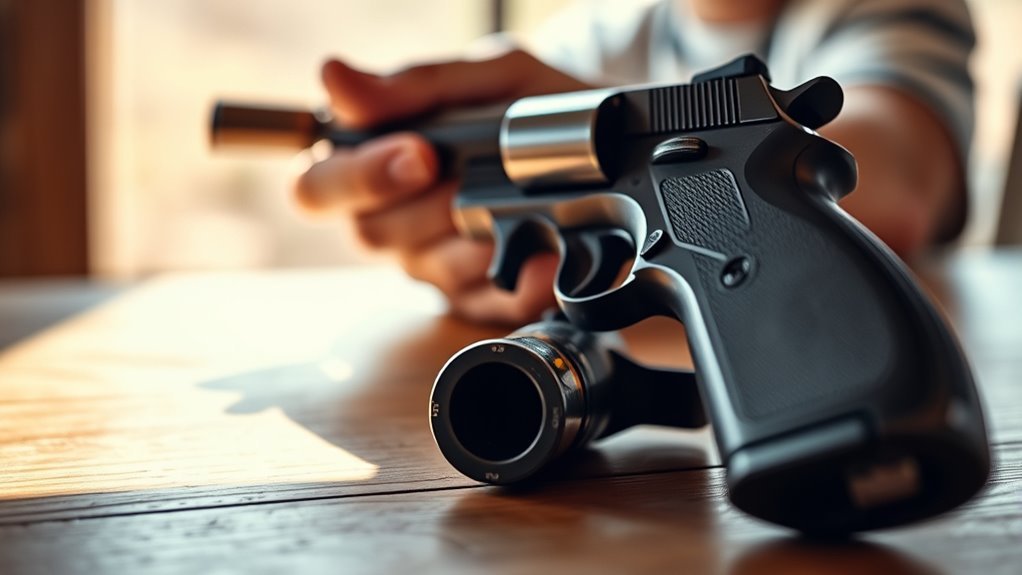
Although it involves no live ammunition, dry firing lets you practice shooting techniques with an unloaded gun safely and affordably. When you dry fire, you focus on improving vital skills like trigger control, sight alignment, and muscle memory without worrying about recoil or range costs.
This kind of training is essential because it lets you repeat drawing, aiming, and shooting drills as often as you want. You build consistency and confidence in handling firearms, which transfers to live firing situations.
Many professional shooters incorporate dry fire into their regular practice routines to maintain and sharpen their skills. By dedicating time to dry fire, you enhance your overall performance, making every shot count when you’re on the range or in the field.
Is Dry Firing Safe for Your Gun?
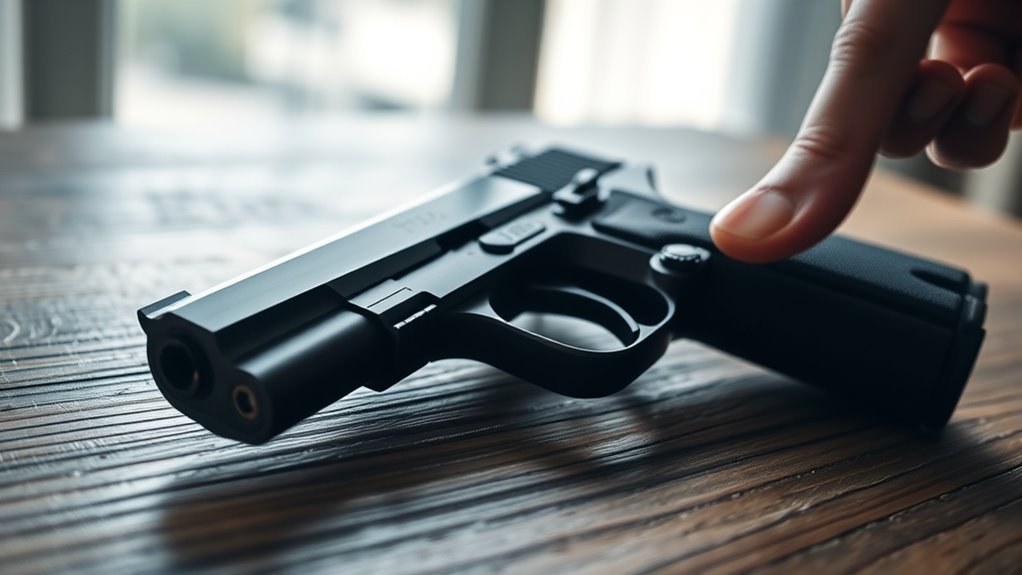
When you dry fire your gun, safety for both you and the firearm should be your top priority. Most modern centerfire guns can handle dry fire without damage, especially if you use snap caps. These dummy rounds cushion the firing pin’s impact, preventing wear and tear.
However, you should always consult your firearm’s manual, since some guns might have specific warnings. For rimfire firearms, dry firing without protective dummy rounds can cause damage, so snap caps are essential in these cases.
Regardless of the type, following strict firearm safety practices—like ensuring the gun is unloaded and pointed safely—remains critical. By taking these precautions, you can safely incorporate dry fire into your training without risking harm to yourself or your gun.
Dry Firing Effects on Rimfire, Centerfire, and Modern Guns
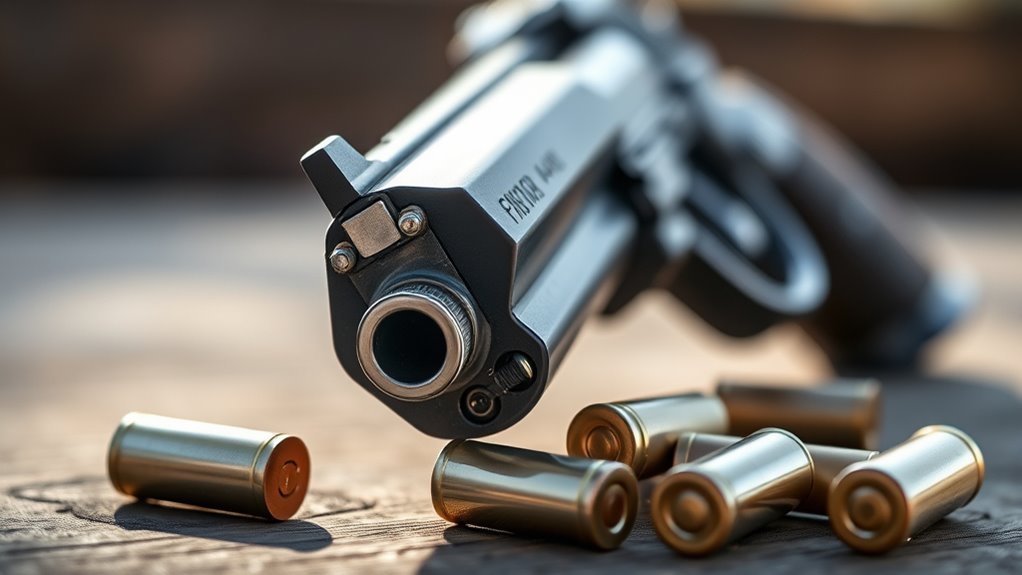
Because different firearm types respond uniquely to dry firing, understanding their specific effects is essential to avoid damage. Rimfire guns are especially vulnerable since their softer brass rims absorb the firing pin’s impact, causing peening and potential breech face damage. You should always use snap caps with rimfire guns to protect the firing pin and breech.
Most centerfire firearms handle dry firing well, but older models with softer firing pins may suffer from breakage or peening if you skip protective measures. So, it’s a good idea to know what kind of gun you have before you start dry firing without any protection.
Modern firearms, however, are engineered to endure thousands of dry fires safely. By knowing these distinctions, you can practice dry firing without harming your gun, ensuring your firearm stays reliable and functional over time.
Why Dry Firing Rimfire Guns Can Cause Damage
Since rimfire guns lack the cushioning that centerfire firearms have, dry firing without a snap cap causes the firing pin to strike the steel breech face directly. This repeated impact leads to peening, where the metal surface deforms and dents.
Because rimfire cartridges rely on a softer brass rim to absorb firing pin strikes, dry firing puts extra stress on your gun’s components. Over time, this damage can create micro-spaces or dents on the breech face, increasing the risk of misfires or malfunctions.
To protect your firearm, always use a snap cap when dry firing rimfire guns. It cushions the firing pin, preventing damage and extending your gun’s lifespan. So, don’t skip this step if you want to keep your rimfire reliable and safe.
Why Modern Firearms Are More Resistant to Dry Firing Damage
You’ll find that modern firearms use advanced materials and designs to handle dry firing much better than older models. Enhanced firing pin durability and built-in safety mechanisms work together to protect internal parts from damage.
Let’s look at how these improvements make dry firing safer for your gun. It’s pretty cool how technology has made shooting practice less risky for your firearm.
Advanced Materials And Design
While older firearms often suffered damage from dry firing, modern guns use advanced materials and design features that make them far more durable. You’ll find that modern firearms incorporate hardened steel alloys and reinforced components, enabling them to withstand repeated dry fire practice without sustaining damage.
The design features in these guns, such as resilient firing pins and shock-absorbing mechanisms, help distribute impact forces evenly, markedly reducing wear. Many models also include built-in safety buffers or cushioned firing pin systems to prevent micro-dents and structural fatigue.
Manufacturers test their firearms over thousands of dry fire cycles to ensure damage prevention. Thanks to these advanced materials and innovative engineering, you can confidently dry fire your modern firearm without worrying about premature wear or failure.
Enhanced Firing Pin Durability
Building on the advancements in materials and design, modern firearms also feature firing pins engineered for exceptional durability during dry firing. These reinforced firing pins use high-strength steel and precision engineering, allowing them to withstand repeated dry fire without damage.
Manufacturers test modern firearms extensively to guarantee firing pin durability. They often certify thousands of dry fire cycles to back up their claims.
Internal damping mechanisms and striker reinforcements further protect components. This makes dry firing safer on your gun than ever before.
| Feature | Benefit | Impact on Dry Fire Durability |
|---|---|---|
| Reinforced Firing Pin | High-strength steel | Resists breakage and peening |
| Precision Engineering | Tight tolerances | Minimizes wear |
| Internal Damping | Absorbs impact | Extends component lifespan |
| Striker Assembly | Reinforced design | Enhances firing pin resilience |
Built-In Safety Mechanisms
Because modern firearms incorporate built-in safety mechanisms like firing pin blocks, they resist damage from dry firing far better than older models. These safety features actively prevent the firing pin from striking the chamber or breech face during dry fire, greatly reducing wear and potential damage.
When you handle modern firearms, you benefit from these design improvements that focus on damage mitigation and durability. They really make a difference in how long your firearm lasts.
- Firing pin blocks stop the pin from contacting sensitive parts during dry fire
- Reinforced firing pin designs withstand repeated dry fire stress
- Advanced materials improve overall firearm durability
- Safety features disengage the firing pin if the firearm isn’t fully assembled
- Tight manufacturing tolerances minimize risk of damage from dry firing
Thanks to these built-in safety mechanisms, modern firearms are far more resistant to dry firing damage. So, you can dry fire with more confidence knowing your gun is better protected.
Why Use Snap Caps for Safe Dry Firing
When you dry fire without protection, the firing pin can get damaged from direct impact. Snap caps act as a cushion, preventing dents and wear that could shorten your firearm’s lifespan.
Using them helps you keep your gun in good shape while practicing safely. It’s a simple step that goes a long way in maintaining your firearm.
Protecting Firing Pin
How can you protect your firing pin during dry firing sessions? Using snap caps is vital to avoid damage and guarantee firing pin longevity. Snap caps cushion the firing pin’s impact, preventing dents and metal fatigue that could cause misfires.
This protection is especially critical for rimfire guns, which are more vulnerable to firing pin damage from dry fire. Incorporating snap caps into your practice routine shields the firing pin, maintaining its shape and function. Remember to replace worn snap caps regularly to keep protection consistent.
- Snap caps absorb firing pin impact
- Prevent firing pin dents and micro-damage
- Necessary for protecting rimfire guns
- Maintains firing pin shape and function
- Regular replacement avoids reduced protection
Preventing Firearm Damage
Protecting your firing pin is just one part of keeping your firearm in top shape during dry firing. Using snap caps cushions the firing pins’ impact, preventing firing pin micro-damage like peening or dents that can lead to firearm damage.
Snap caps create a safe buffer, especially for rimfire guns, which are more vulnerable to damage when you dry fire without protection. These caps simulate the feel of live rounds, letting you practice safely and realistically without harming your weapon.
Incorporating snap caps into your dry fire routine considerably reduces wear on the firing pin and breech face. This helps maintain your firearm’s reliability and lifespan.
Best Practices to Protect Your Gun During Dry Fire
Although dry firing can be a valuable training tool, you need to take specific precautions to avoid damaging your firearm. Using snap caps during dry fire practice helps protect the firing pin from damage, so never skip them.
Dry firing is useful for training, but always use snap caps to protect your firearm’s firing pin.
Always confirm your firearm is unloaded and pointed safely before you start. Follow your firearm manufacturer’s guidelines to know if dry firing without protection is safe for your model.
Keep your practice area controlled and free from distractions to prevent accidents. Finally, regularly inspect your firearm for any wear or damage caused by dry firing to maintain its reliability.
- Use snap caps or dummy rounds to cushion the firing pin
- Verify the firearm is unloaded and pointed in a safe direction
- Follow manufacturer guidelines for dry fire safety
- Practice in a controlled, distraction-free environment
- Inspect and maintain your firearm regularly to detect damage
How Regular Dry Firing Can Improve Your Shooting Skills
Taking the proper precautions during dry fire practice sets the stage for you to gain significant benefits in your shooting skills. By regularly dry firing, you build muscle memory that enhances your trigger control, leading to more consistent shooting accuracy.
This training method lets you focus on sight alignment and follow-through without live ammunition, making it an invaluable training tool. Frequent dry fire practice helps you spot and correct bad habits like anticipating the shot or jerking the trigger, improving your overall performance.
Incorporating these drills into your routine accelerates skill development far more effectively than occasional live-fire sessions. Many professional shooters rely on dry fire hundreds of times more than live rounds, proving its essential role in mastering your shooting craft.
Frequently Asked Questions
Is Dry Firing a Glock Bad?
Dry firing a Glock isn’t bad if you use snap caps or dummy rounds to protect the firing pin. You’ll avoid damage and guarantee your gun stays reliable.
But don’t dry fire excessively without protection. That can cause wear over time, and nobody wants that.
How Often Should You Dry Fire?
Think of dry firing like watering a plant—do it regularly but not too much. You should dry fire 2-3 times a week for 10-15 minutes to keep your skills sharp without overworking your firearm’s “roots.”
It’s all about finding that balance. Too little practice, and you might forget what you’ve learned. Too much, and you risk unnecessary wear.
What Guns Shouldn’t Dry Fire?
You shouldn’t dry fire rimfire guns like .22 LR without snap caps. Older pistols with soft firing pins are also a no-go.
Fragile military surplus firearms can get damaged too, so be careful with those. And definitely avoid any gun with a protruding firing pin.
Always check your manufacturer’s guidelines first. It’s the best way to keep your guns safe and in good shape.
Does Dry Firing Improve Shooting?
Yes, dry firing improves your shooting by building muscle memory and trigger control. When you practice without live rounds, you sharpen your sight alignment and steadiness.
This boosts your confidence and consistency for real shooting situations. It’s a simple way to get better without needing to visit the range. Give it a try, and you’ll likely see improvements faster than you expect.
Conclusion
Dry firing can be a valuable practice tool if you do it right. Studies show that 70% of shooters who regularly dry fire improve their accuracy considerably. Just remember to use snap caps, especially with rimfire guns, to avoid damage.
Modern firearms handle dry firing better, but protecting your gun ensures it lasts longer. By incorporating safe dry firing into your routine, you’ll sharpen your skills without harming your firearm.
Keep practicing smart! Dry firing is a great way to build muscle memory and improve trigger control without the expense of live ammo. Just be sure to follow safety tips like using snap caps and checking your firearm beforehand.
Incorporating dry firing into your training routine can boost your accuracy and confidence. So, if you want to improve your shooting skills safely and effectively, dry firing is definitely worth considering.