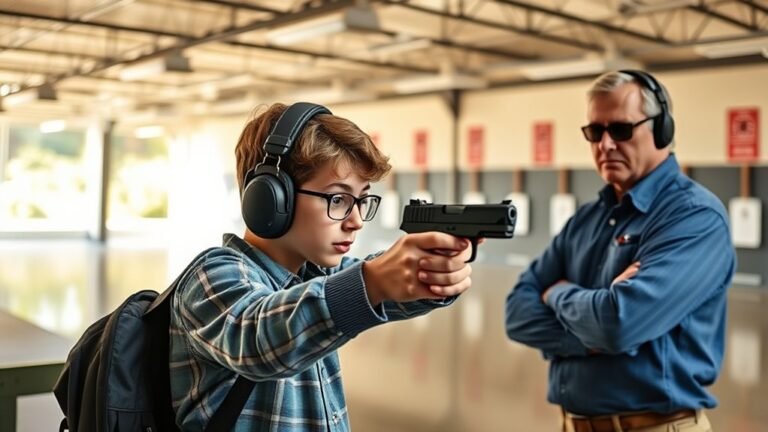

How to Obtain a Gun License in 3 Simple Steps
To get your gun license, first make sure you meet your state’s age, residency, and legal requirements. Gather your ID, proof of residency, and any other needed documents. These basics are crucial to start the process smoothly.
Next, complete a state-approved firearm safety or concealed carry course. Then, submit your application along with proof of training, fingerprints, photos, and fees. It’s important to stay organized here to avoid delays.
Finally, you’ll need to pass thorough background checks that cover criminal and mental-health records. This step ensures responsible ownership. Keep reading to understand important details that can help make the whole process easier for you.
Key Takeaways
- Verify you meet age, residency, and legal eligibility requirements. Make sure you don’t have any disqualifiers like felony convictions or restraining orders.
- Complete a state-approved firearm safety or concealed carry training course. This usually includes a live-fire qualification that you’ll need to pass.
- Gather all necessary documents such as a government-issued ID, proof of residency, your training certificate, and some recent photographs.
- Submit a fully completed application along with your fingerprints, background check materials, and any applicable fees. These requirements can vary depending on your state.
- After that, you’ll need to wait for your background check results. Once it’s done, you’ll get notified whether you’ve been approved or denied. If you’re denied, know that you usually have the right to appeal.
Step 1: Confirm Eligibility and Gather Documents for Your Concealed Carry Permit
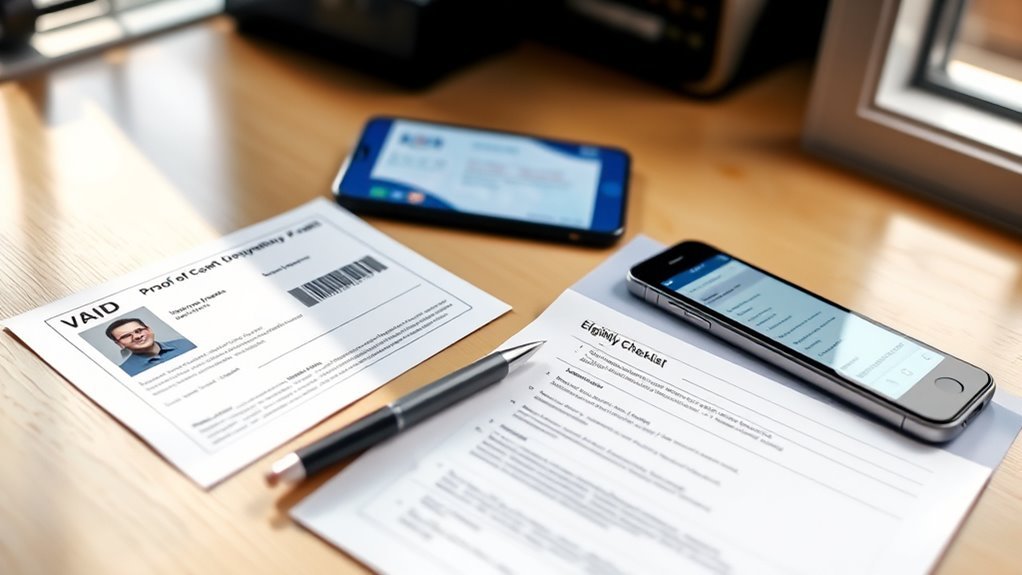
Before you apply for a concealed carry permit, make sure you meet your state’s age, residency, and legal eligibility requirements. Your state may require you to be at least 21 and not be a prohibited person due to felony convictions or restraining orders.
Next, check any mandated training requirements; some states ask for a recent training class certificate to accompany your permit application. Gather all necessary documents, including government-issued identification, proof of residency, and completed training certificates.
You’ll also need to prepare for a thorough background check, which might include fingerprinting and submitting recent photographs. Collect any additional application materials, like character references and fees, to guarantee your carry permit process goes smoothly.
Confirming eligibility and assembling these documents sets you up for success. Taking these steps early makes the whole process a lot easier!
Step 2: Complete State-Approved Training and Submit Your Application

Complete a state-approved firearm safety or concealed carry course to meet your licensing requirements. Make sure your training is completed within the timeframe required by your state—such as within two years before applying in Connecticut.
Complete a state-approved firearm safety or concealed carry course within your state’s required timeframe.
This course must include any mandated live-fire qualification. After completing your training, gather your Proof of Training, including instructor details and qualification dates, to submit with your application.
Some states also require fingerprinting as part of the process; if so, get your fingerprints done as directed and include the results with your application. Verify that your training provider is officially recognized to avoid delays.
Following these steps guarantees your concealed carry application is properly supported and moves smoothly toward approval.
Step 3: Pass Background Checks and Receive Your Concealed Carry License

After submitting your application along with proof of training and any required fingerprints, your next step involves passing thorough background checks. These checks include state and federal databases like NCIS/NICS, mental-health records, and sex-offender registries.
Providing accurate identifiers such as your SSN and fingerprints speeds up the process. Be aware that disqualifiers like felony convictions, domestic violence misdemeanors, or involuntary mental-health commitments can prevent approval.
Here’s what to expect:
- Multi-part background checks using fingerprints
- Review of mental-health and criminal records
- Possible issuance of a temporary permit before the full license
- Right to appeal if denied, including notification of reasons and procedures
Make sure you stay informed about your appeal rights. That way, you can respond promptly if needed.
Frequently Asked Questions
Where Do I Go to Get a Concealed Carry Permit in Virginia?
You go to the circuit court clerk’s office in your city or county, or where you work if different.
Bring your completed application, ID, proof of citizenship, and any local documents they require.
It’s pretty straightforward—just make sure you have all the paperwork ready before you go.
Is It Possible to Fail a Concealed Carry Class?
Absolutely, you can fail a concealed carry class—it’s not just a walk in the park.
If you don’t meet safety or legal standards, you might have to retake parts.
But many courses let you try again.
Is Getting a Gun License Easy?
Getting a gun license isn’t always easy. You’ll need to complete training, pass background checks, submit paperwork, and pay fees.
Requirements and difficulty vary by state, so be prepared for a process that can take time and effort. It’s a good idea to know what your state specifically asks for before you get started.
Do I Have to Tell a Cop I Have a CCW?
Better safe than sorry. Whether you have to tell a cop about your CCW depends on your state laws.
When required, calmly disclose your permit and firearm location. Keep your hands visible and follow the officer’s instructions.
It’s always best to stay calm and respectful during the interaction. This helps keep everyone safe and the situation smooth.
Conclusion
It’s no coincidence that so many responsible gun owners follow these exact steps to get their concealed carry license. By confirming your eligibility, completing the necessary training, and passing your background checks, you’re not just ticking boxes—you’re taking control of your safety and rights.
So, if you’ve been thinking about it, now’s the perfect time to start. You might just find the process easier—and more empowering—than you expected.
Obtaining a gun license can feel intimidating, but breaking it down into these simple steps makes it manageable. When you take the time to follow this process carefully, you’re ensuring that you’re a responsible gun owner who understands the importance of safety and legal requirements. Whether it’s for personal protection or sport, getting your concealed carry license is a smart move that empowers you while keeping your community safe. Don’t wait—take the first step today and experience the confidence that comes with being a licensed gun owner.