

How to Report a Stolen Gun in 5 Essential Steps
If your gun is stolen, the first thing you want to do is make sure everyone around you is safe.
Then, gather all the important details about your firearm—things like the make, model, caliber, and especially the serial number. These details will be crucial when reporting the theft.
Next, call 911 right away to report what happened. Make sure to give all the information clearly and calmly.
Describe your firearm as precisely as possible, and if you saw any witnesses or suspects, share those details too.
After that, notify the licensing authorities and file any required forms without delay. This step is important to stay on the right side of the law.
Finally, keep thorough records of all your reports and any follow-up actions.
Staying organized will help protect you legally as the situation unfolds.
Keep reading to learn how to handle each step thoroughly.
Key Takeaways
- Ensure everyone’s safety and secure the area first. Take note of important firearm details like make, model, caliber, serial number, and the circumstances around the loss.
- Right away, call 911 to report the theft. Give them the firearm specifics and be sure to ask for the incident report number and the officer’s contact information.
- Provide as much detail as you can about the stolen gun. This includes any unique marks, the exact time and place it was taken, proof of ownership, and any info about witnesses or suspects.
- Notify the firearm licensing authorities as soon as possible. Make sure you follow local laws and submit any required federal or dealer forms marked “Stolen.”
- Keep thorough records of all reports, officer contacts, and any documentation or updates. If your firearm gets recovered, don’t forget to request the chain of custody.
Ensure Your Safety and Collect Firearm Details
Before you do anything else, make sure you and everyone around you are safe and the area is secure. Treat the situation as an emergency to reduce any legal risks related to your lost or stolen firearm.
Once safety is confirmed, gather detailed information about the firearm. Note the make, model, caliber, and especially the serial number if you know it. This info is vital when reporting a stolen gun.
Record the exact date, time, and location where you discovered the firearm missing, along with the last time and place you had it. Also, document circumstances surrounding the loss—such as signs of forced entry or a broken lock.
Be sure to note any witnesses or surveillance cameras nearby. Keep copies or photos of firearm paperwork and storage methods to help with accurate reporting.
Contact Local Law Enforcement Immediately
As soon as you realize your firearm is missing, call 911 to report the theft immediately. Don’t wait while trying to reach a non-emergency line; prompt reporting of lost or stolen firearms helps law enforcement act quickly and enter your gun’s information into national and state theft databases.
When you call 911, be ready to share essential details like the manufacturer, model, caliber, and especially the serial numbers. If someone else reports on your behalf, they should clarify they’re not confirming ownership to protect your legal standing.
After reporting, ask for the incident or theft report number and the officer’s name and badge number. This documentation is really important if you face any legal or licensing issues later on.
Provide Detailed Stolen Firearm Information
Once you’ve contacted law enforcement, gather and provide detailed information about your stolen firearm. This information helps create an accurate report and increases the chances of recovery.
Start by listing the firearm’s manufacturer, model, caliber, and the exact serial number as stamped. Make sure to be as precise as possible.
Also, note any unique marks, accessories, or modifications that make your stolen gun stand out. These little details can really help.
Next, give the exact date, time, and location where you discovered the theft or believe it happened. The more specific you are, the better.
Don’t forget to include any ownership documentation you have. Mention how you stored the firearm too.
If there were any witnesses or if you have any suspect information, be sure to share that as well.
Providing precise details, especially the serial number, guarantees law enforcement can track and identify your firearm effectively. The more accurate your report, the better your chances of a quick resolution.
Notify Firearm Licensing Authorities and Submit Forms
After you’ve reported your stolen firearm to the police, make sure to notify the appropriate firearm licensing authorities without delay. In Philadelphia, for example, you must report a lost or stolen gun within 24 hours by calling 911.
Under the Isabella Joy Thallas Act, you have five days to report firearms to law enforcement, including all identifying details like make and serial number. If you’re a federal C&R holder or licensed dealer, you need to submit forms such as ATF Form 3310.11 or FA-10 within the required timeframe, marking them “Stolen” when applicable.
Family members can also report on your behalf. After notifying police, promptly submit any required paperwork to licensing agencies, and keep copies and incident numbers for your records. It’s important to stay on top of this to avoid any issues down the line.
Follow Up and Keep Documentation
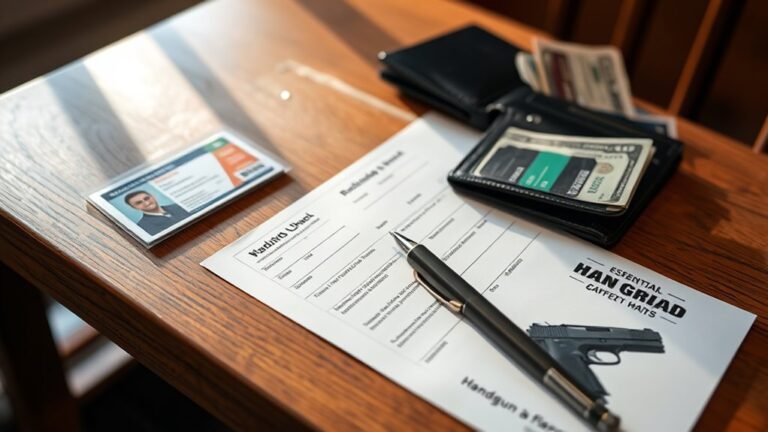
Although you’ve already reported your stolen firearm to the police, you should immediately document key details like the date and time of your 911 call, the officer’s name and badge number, and the case number given to you. Staying organized helps protect your rights and supports any investigation.
Keep copies of your written police report and any supplemental documents, both electronically and physically. It’s a good idea to have these on hand in case you need to reference them later.
Record your firearm’s manufacturer, model, caliber, and serial number. If you discover new information, make sure to update these details.
If your gun is recovered, request all correspondence related to it, including chain of custody records and property receipts. This keeps everything clear and documented.
If you’re contacted by investigators or charged, share your documentation with an attorney before making any statements. This helps make sure you’re protected.
This careful follow-up makes certain you maintain a clear record and protect your interests. Staying on top of the paperwork really pays off in the long run.
Frequently Asked Questions
How to Write a Report for Stolen Items?
You start by clearly stating what’s missing, when you noticed it, and whether it’s lost or stolen.
Then, include detailed descriptions, last known location, any witnesses, and your contact info.
Don’t forget to request a report copy.
Can I Run a Serial Number on a Gun to See if It’s Stolen?
You can’t run a gun’s serial number yourself through official databases like NCIC.
Instead, you should contact local police and provide the details. They can perform the search and let you know if it’s reported stolen.
What Happens if You Lose a Suppressor?
If you lose a suppressor, you need to report it quickly to local law enforcement and the ATF using Form 3310.12.
Make sure to keep detailed records of what happened. It’s also a good idea to consult an attorney so you don’t run into serious legal trouble.
What to Do if Someone Stole Your Belongings?
Imagine you come home and notice your backpack is missing. Don’t panic—just take a deep breath.
You should call the police right away. Give them a detailed description of your stolen items.
Make sure to ask for a report number. This will help you track the investigation and make any insurance claims easier.
Conclusion
Don’t wait until your stolen gun turns into a city-wide emergency! Reporting it quickly isn’t just smart—it’s your superhero move to stop chaos. By acting fast, giving detailed info, and staying on top of paperwork, you’re practically saving the day.
Remember, you’re not just protecting yourself; you’re keeping your whole community safer. So, suit up, take these steps seriously, and turn this nightmare into a victory story!
Quickly reporting a stolen gun helps law enforcement track down the weapon and prevents it from being used in crimes. Your prompt action and accurate details play a huge role in gun safety and community protection. Stay vigilant, stay responsible, and make your report count!



2 Comments