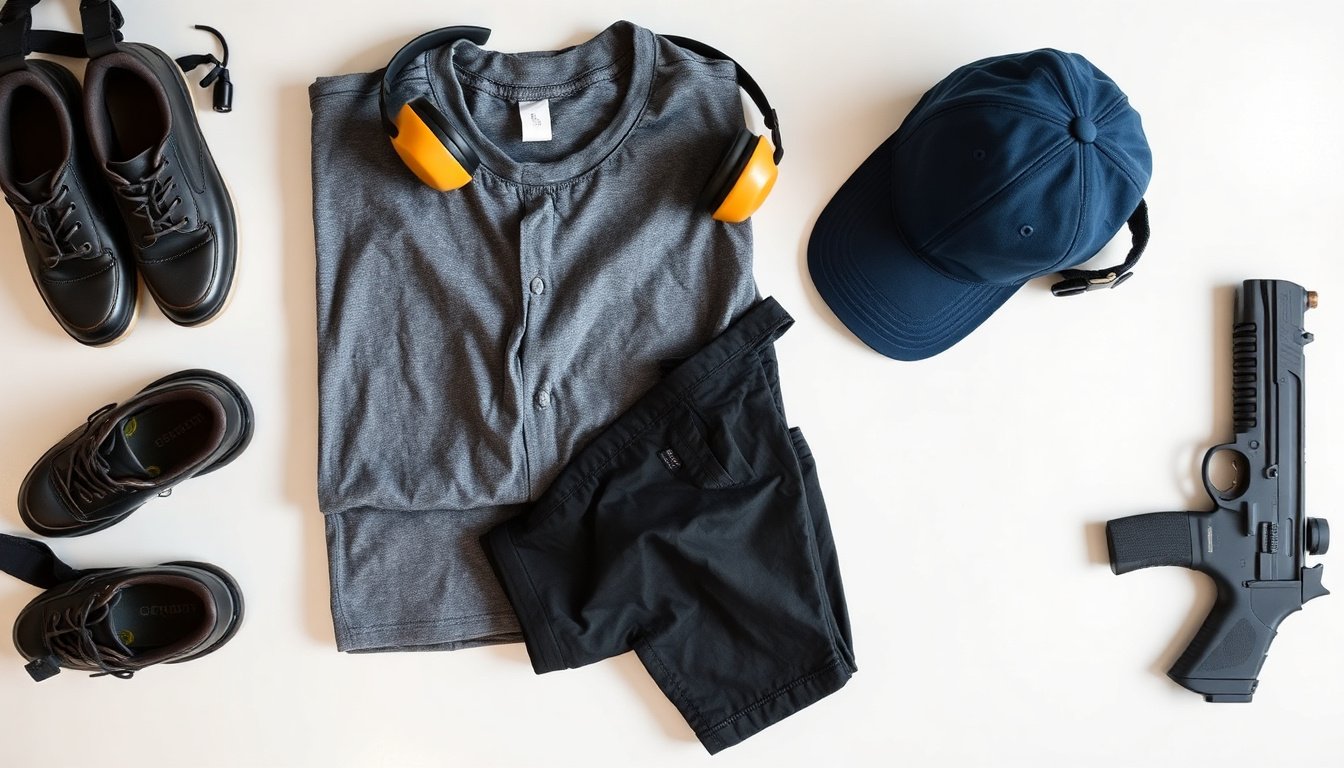
What to Wear to a Gun Range: Safe, Simple Outfit Tips
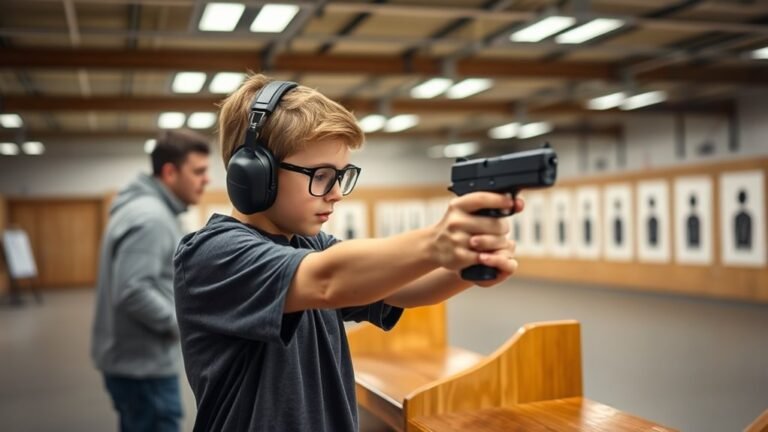
What to wear to a gun range is simple: choose clothing that protects you, stays out of the way, and lets you move comfortably. The best range outfit usually means closed-toe shoes, long pants, a high-neck shirt, and the right eye and ear protection.
You do not need tactical gear or special clothing for a basic range trip. You do need to think about hot brass, recoil, bending, and the range’s rules before you leave home.
If you are new to shooting, the right clothes can make the whole visit easier and less stressful. It also helps you focus on firearm safety instead of fidgeting with your outfit.
Keep reading for a clear, practical breakdown of what works, what does not, and how to dress for indoor or outdoor ranges.
Key Takeaways
- Wear closed-toe shoes, long pants, and a shirt that covers your chest and neck. That lowers your chance of getting burned by hot brass or annoyed by rough range surfaces.
- Choose clothes that fit well and do not hang loose. Baggy sleeves, low necklines, and dangling accessories can get in the way.
- Bring proper eye and ear protection, even if the range offers rentals. Good fit matters as much as the type of gear.
- Dress for the weather, but do not sacrifice safety for comfort. Layers are better than tank tops, shorts, or very restrictive clothing.
- Always follow the range’s posted dress code and safety rules. If anything seems unclear, ask before you set up your lane.
Start With Safe Basics
Before you pick an outfit, remember the core gun safety rules: treat every firearm as loaded, keep the muzzle pointed in a safe direction, keep your finger off the trigger until you are ready to shoot, and unload and verify the gun before any handling away from the firing line. Clothing does not replace safe gun handling, but it can reduce distractions and injuries.
Most ranges want practical clothing that supports safe movement. A simple, sensible outfit is usually better than anything flashy, loose, or fragile.
- Closed-toe shoes protect your feet from dropped gear, brass, and debris.
- Long pants help shield your legs from hot casings and rough benches.
- High-neck shirts reduce the chance of brass slipping inside your clothing.
- Fitted tops are easier to manage when shouldering a rifle or leaning into a pistol stance.
Pro tip: If you would not want hot brass landing on it, do not wear it to the range.
Choose Clothes That Protect You
The safest range clothing is plain, durable, and easy to move in. Think about the places where brass can land, where straps can rub, and where your body bends when you kneel, sit, or shoulder a firearm.
Long pants are usually the best choice. Jeans, sturdy work pants, or other durable trousers are common because they cover the legs and hold up well around benches, gravel, and spent casings.
Shirts with a crew neck or higher collar are smart because they help keep brass from sliding down your shirt. A V-neck, scoop neck, or low-cut top can be uncomfortable and distracting, especially on a busy indoor line.
Good clothing choices
- Jeans or other sturdy pants
- Crew-neck T-shirts or collared shirts
- Light layers for changing temperatures
- Clothes that fit without being tight
Clothing to avoid
- Shorts or skirts that leave your legs exposed
- Tank tops and low-cut tops
- Very baggy sleeves that catch on gear
- Loose scarves, dangling jewelry, or clothing with cords near the face or neck
For a deeper look at first-time range prep, see this guide to <>buying a gun for the first time. It can help you think through the full trip, not just the outfit.
Pick Shoes, Socks, and Accessories Carefully
Shoes matter more than many new shooters expect. A good pair gives you traction, protects your feet, and keeps you comfortable if you are standing for a while or moving between the counter, lane, and parking lot.
Closed-toe shoes are the standard recommendation. Sneakers, boots, or other sturdy footwear are usually the easiest choice. Sandals, flip-flops, crocs, and open-backed shoes are poor options at the range.
Socks also matter if you are shooting outdoors or in a colder indoor building. Choose socks that keep your feet comfortable if you are standing for an extended period.
| Item | Best choice | Why it helps |
|---|---|---|
| Shoes | Closed-toe sneakers or boots | Protects your feet and improves stability |
| Pants | Long, durable pants | Helps shield your legs from brass and rough surfaces |
| Shirt | Crew neck or higher collar | Reduces the chance of brass going inside your clothing |
| Eyewear | Wraparound or well-fitting safety glasses | Helps block debris and debris from side angles |
| Hearing protection | Muffs, plugs, or both | Helps protect your hearing from repeated shots |
Keep accessories minimal. Big earrings, long necklaces, and loose hats can be annoying when you are shouldering a rifle or adjusting eye protection. If you wear a hat, a simple baseball cap can help deflect brass and shade your eyes, especially outdoors.
Dress for Indoor and Outdoor Range Conditions
Indoor and outdoor ranges have different comfort challenges. The safety basics stay the same, but your clothes should match the setting and the weather.
Indoor ranges
Indoor ranges are often warmer and can feel tighter around the firing line. Lightweight layers work well because you can remove a jacket if it gets hot, but still have coverage on your arms and shoulders.
- Wear breathable clothing that still covers you well.
- Avoid thick, restrictive jackets unless the range is cold.
- Choose shoes with a solid sole so you stay steady on smooth floors.
Outdoor ranges
Outdoor ranges are more affected by wind, sun, dust, mud, and temperature changes. You may want a light jacket, sun protection, or extra layers depending on the season.
- Bring a hat or cap for sun and brass protection.
- Use layers so you can adjust to temperature changes.
- Pick footwear that handles uneven ground.
If you are also planning your equipment, this article on <>how to obtain a gun license may be useful for understanding the broader process before your first range visit.
Prepare for Comfort, Courtesy, and Range Rules
The best range outfit is not just safe. It also helps you be comfortable, respectful, and ready to follow the range’s rules without fuss.
Many ranges have dress expectations that are simple but firm. For example, some do not allow low-cut shirts or unsafe footwear because they want to reduce the chance of burns and injuries.
- Wear clothing that lets you move naturally.
- Keep your pockets clear enough for small gear like ear plugs or a target marker.
- Bring a range bag with your protective gear so you are not scrambling at the counter.
- Check the range’s posted rules before you go, especially for indoor facilities.
It also helps to think beyond clothes. A clean range towel, water, and a way to store your spent targets can make the trip smoother. If you are wearing hair long, tie it back so it stays out of your face and away from your firearm controls.
Pro tip: Dress for the range as if you may need to kneel, lean, and stay there for a while without adjusting your clothes.
Handle Special Situations Thoughtfully
Sometimes your range day is not just a quick solo trip. You may be bringing a new shooter, attending a class, or renting firearms. In those cases, comfort and safety matter even more.
If you are new to shooting, keep your outfit simple. You want fewer distractions, not more decisions once you are on the line. Avoid anything that needs constant adjustment.
If you are renting a firearm or taking a training class, think about how your clothes affect movement and instruction. A shirt that is easy to tuck, untuck, or adjust can be helpful, and pants with usable pockets can make life easier for earplugs or a small notebook.
- Choose a shirt that covers your collarbone and chest.
- Wear pants that let you bend without restricting movement.
- Bring spare eye and ear protection if you have it.
- Ask the range staff about any special clothing restrictions before you arrive.
Frequently Asked Questions
Can you wear jeans to a gun range?
Yes. Jeans are one of the most common and practical choices for a gun range because they cover your legs and hold up well. They are especially useful if you are shooting indoors or handling hot brass often.
Can you wear shorts to a shooting range?
Some ranges allow shorts, but they are usually not the safest choice. Long pants give better protection from hot brass, dust, and rough surfaces, so they are the safer default.
Do you need special shoes for a gun range?
You do not need expensive special shoes, but you do need closed-toe footwear with a stable sole. Sneakers or boots are usually the easiest and safest option.
What should women wear to a gun range?
The same safety principles apply to everyone: closed-toe shoes, long pants, and a shirt that covers the chest and neck. A well-fitting top and simple layers usually work better than loose or low-cut clothing.
Conclusion
What to wear to a gun range comes down to safety, comfort, and common sense. Closed-toe shoes, long pants, and a higher-neck shirt will cover most situations and help you stay focused on shooting.
Keep your clothing simple, check the range rules before you go, and choose gear that lets you move freely without exposing skin to hot brass or other hazards. If you are new, dressing with safety in mind is one easy way to make the whole visit smoother.
When in doubt, choose practical over stylish and protective over trendy. That is the easiest way to dress for a good range day.