What Happens If You Get Caught with a Ghost Gun?
If you get caught with a ghost gun, the outcome can range from seizure of the firearm to arrest, criminal charges, fines, probation, or jail time. The exact result depends on state law, federal law, your prior record, where the gun was found, and whether anything else unlawful was involved.
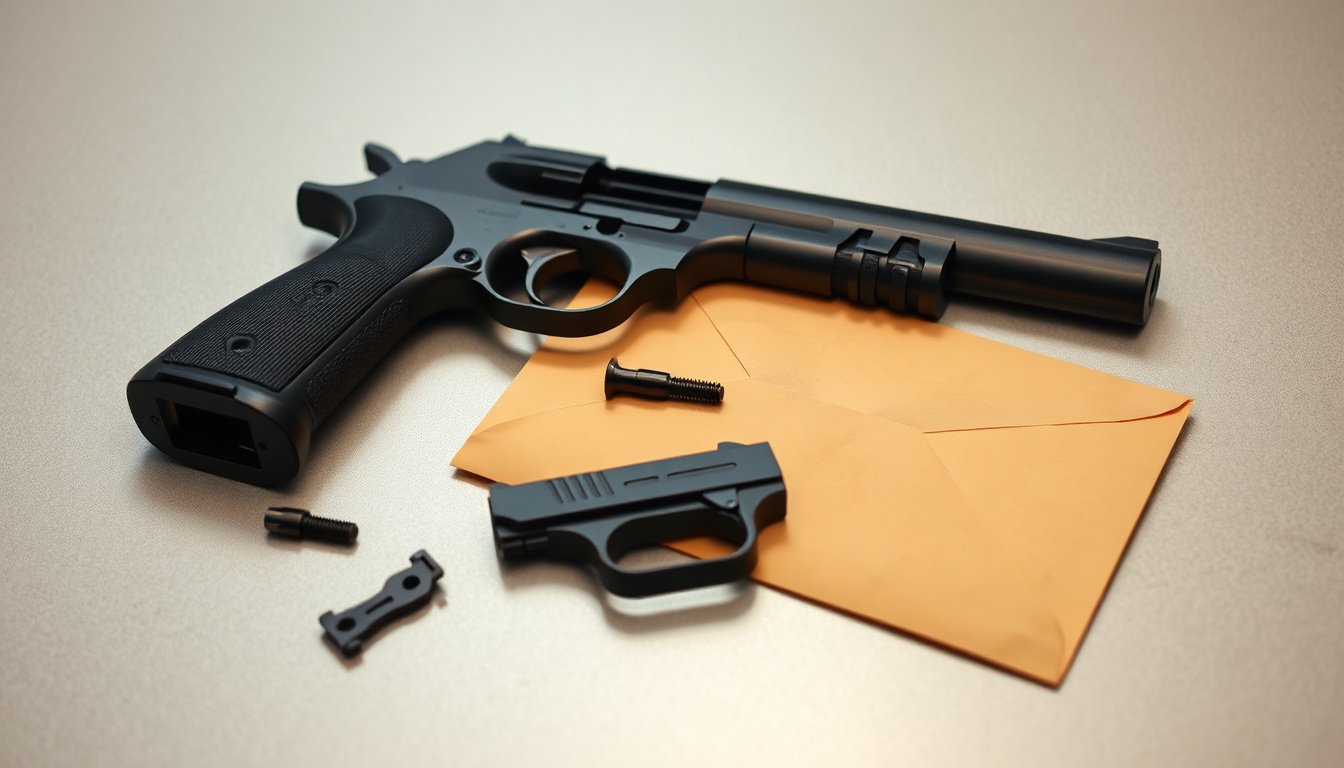
A ghost gun is usually a privately made firearm or an unserialized gun or frame. In many places, just having one can create legal problems, especially if you are prohibited from possessing firearms or if the gun violates local serialization or registration rules.
This is not the kind of issue you want to guess about. The rules change by jurisdiction, and the difference between a warning and a felony charge can be a small factual detail.
Keep reading to see what usually happens, what charges can come up, and what to do if law enforcement finds a ghost gun on you or in your home.
Key Takeaways
- A ghost gun can lead to criminal charges, but the result depends on the facts and the laws where the gun is found. In some cases, the firearm is seized and the owner is investigated for additional violations.
- Federal and state laws can overlap. A gun that is legal in one place may be illegal in another, especially if it is unserialized, unregistered, or assembled from parts that fall under current regulations.
- The biggest risk goes up if you are a prohibited person, the gun is tied to another crime, or the firearm has other illegal features such as being a short-barreled rifle or an unregistered NFA item.
- Police and prosecutors may treat the case more seriously if they believe the gun was meant to evade tracing, transfer rules, or background checks.
- If you are facing a ghost gun case, stop talking about the facts casually and get a qualified criminal defense lawyer who knows local firearm law.
Understand What a Ghost Gun Means Legally
The phrase ghost gun is not a single nationwide legal category. People use it to describe privately made firearms, unserialized firearms, or kits and frames that may be regulated differently depending on the law.
That means the legal question is rarely, “Is it a ghost gun?” The better questions are, “Is it treated as a firearm under the law?” and “Was it possessed, built, transferred, or carried in a lawful way?”
In federal law, privately made firearms are recognized as a real enforcement issue, and ATF guidance explains that some privately made firearms and certain components can trigger legal consequences. Some states also have their own serialization, transfer, or possession rules that can create separate violations.
Expect the Firearm to Be Seized First
If law enforcement finds a ghost gun, the first immediate step is often seizure of the firearm and related parts. Officers may also take ammunition, tools, unfinished frames, or other items that could matter as evidence.
This does not mean you will be charged right away, but it usually means the case is being reviewed. If the gun is connected to a stop, a search, or another investigation, police may document where it was found, who had control of it, and whether the gun was loaded or accessible.
Pro tip: If officers are involved, stay calm, do not argue the law on the spot, and avoid making guesses about ownership or intent.
See Why Charges Can Vary So Much
The same firearm can lead to very different outcomes depending on the facts. A person with no record who possessed a gun that only lacks a serial number may face a different case than someone who had the firearm during another offense or was already barred from possessing guns.
Some of the most common issues prosecutors look at include the following:
- Possession by a prohibited person, such as someone barred from owning firearms under federal or state law.
- Unlawful manufacture, if the build violated local rules about frames, receivers, or serialization.
- Unlawful transfer or sale, especially if the gun was sold or given to someone without following required steps.
- Possession of another illegal weapon type, such as an NFA-regulated firearm part or a weapon with an unlawful barrel length.
- Connection to another crime, which can make the case much more serious.
For a separate overview of lawful purchase steps, see this guide on <>how to purchase a firearm. That can help you understand the normal legal path that ghost gun cases often bypass or complicate.
Know the Federal and State Penalties
There is no one universal punishment for getting caught with a ghost gun. Federal penalties can apply in some situations, and state penalties can apply in others. In some cases, both may matter.
Federal enforcement actions have included cases where people were charged for unlawful possession of privately manufactured firearms, and the reported maximum penalty in one recent case was ten years in prison plus supervised release. That does not mean every case gets that outcome, but it shows how serious prosecutors can treat these cases.
State laws can be even stricter in some places. Some states treat unserialized or untraceable firearms as illegal to possess, manufacture, or transfer, while others focus on specific parts, age restrictions, or registration requirements. California’s current reference guide, for example, describes rules that cover possession, importation, manufacture, transfer, and serialization of frames, receivers, and precursor parts.
| Possible factor | What it can change |
|---|---|
| No prior record | May reduce the chance of the harshest outcome, but it does not erase the charge. |
| Prohibited person status | Can turn possession into a much more serious offense. |
| Gun linked to another crime | Can add charges or increase sentencing exposure. |
| Illegal features | Can create separate firearm violations beyond the ghost gun issue itself. |
| State serialization or registration rules | Can make possession or assembly unlawful even if the gun is privately made. |
Protect Yourself After Contact with Police
If you are stopped with a ghost gun, your words matter. Give basic identifying information if required, but do not volunteer long explanations, theories, or stories about where the gun came from.
If you are arrested or the gun is seized, ask for a lawyer and follow that advice before making detailed statements. The safest move is to stay quiet about the facts until you get legal guidance.
Also, do not try to move, hide, alter, or transfer anything after the encounter. That can create new problems fast.
What to write down
- The date, time, and place of the stop or search.
- Which agency was involved and what was said to you.
- Whether the gun was loaded, unloaded, or in a case.
- Whether any paperwork or receipts exist for parts or the build.
Those details can matter later, but they should be reviewed with counsel, not guessed at in public.
Avoid the Mistakes That Make Cases Worse
Some people make the situation worse by assuming the gun is fine because it was built privately, or by assuming there will be no record if the gun lacks a serial number. That is a mistake.
If the law in your area restricts unserialized firearms, or if the firearm was assembled in a way that violates federal or state rules, the absence of a serial number does not protect you. ATF and state guidance both show that tracing difficulty does not equal legality.
These are the mistakes to avoid:
- Talking about the gun on social media.
- Assuming every state treats ghost guns the same.
- Ignoring whether you are legally allowed to possess any firearm.
- Trying to fix the situation by transferring the gun informally.
- Handling the gun again before you understand the law where you live.
If your issue is not a ghost gun but another type of firearm-related part or tool, it helps to know the difference between ordinary equipment and regulated firearms. For example, you can read about the normal process to <>obtain a gun permit if you are comparing legal ownership steps.
Frequently Asked Questions
Can you go to jail for having a ghost gun?
Yes, depending on the law and the facts, jail or prison is possible. The risk rises if you are a prohibited person, the firearm was used in another crime, or your state has strict ghost gun rules.
Is a ghost gun always illegal?
No, not always. Some privately made firearms may be lawful under some laws, but others are not, and state rules can be much stricter than federal rules. You need to check the exact rules where you live before assuming it is legal.
What if the gun was never fired?
That usually does not solve the legal issue. Many firearm offenses focus on possession, manufacture, transfer, or the weapon’s characteristics, not on whether it was fired.
Should I tell police I did not know the law?
Do not try to talk your way out of a charge on the street. A lawyer can assess whether knowledge, intent, or other facts matter in your case, and the answer can vary by jurisdiction.
Conclusion
Getting caught with a ghost gun can lead to serious trouble, but the outcome depends on the exact facts, the type of firearm, and the law where the stop or search happened. Some cases lead to seizure and investigation, while others lead to charges that can carry significant penalties.
If you are dealing with this situation, the best next step is to stay calm, avoid making statements that can be misunderstood, and get qualified legal help right away. Do not assume a gun is legal just because it was privately made or lacks a serial number.
When firearm law is involved, the safest path is always the one based on verified local rules and careful legal advice.