How to Say Gun in Spanish Simply
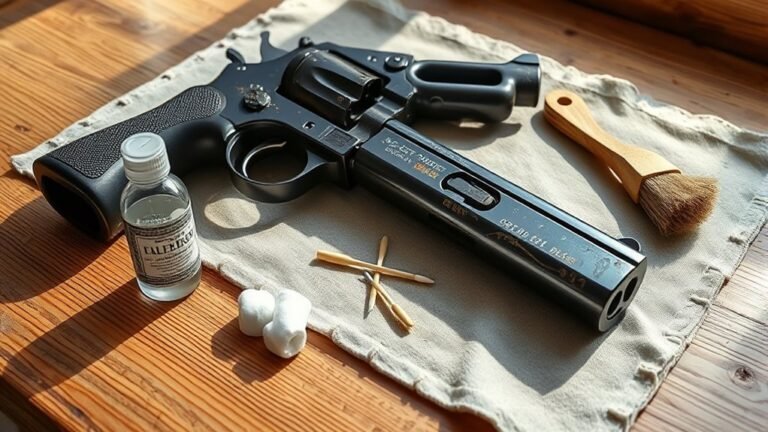
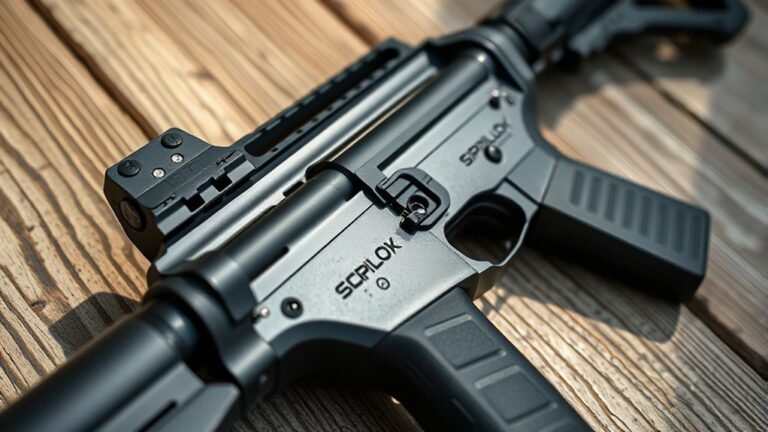
You can say “gun” in Spanish simply as “pistola” when referring to handguns, or “fusil” for rifles and long guns. These are the most common and straightforward terms you’ll hear in everyday conversation.
If you want to keep it general, use “arma,” which means weapon.
In more formal or legal contexts, “arma de fuego” is the go-to phrase to cover all types of firearms. Just a heads up—there are also slang and regional words like “cuete” or “metralla,” but those fit better in informal settings.
Mastering these basics helps you speak clearly and confidently.
And honestly, there’s more to discover about how to choose the right word depending on the context. But starting with these simple terms will definitely get you off to a great start!
Key Takeaways
- The simplest word for “gun” in Spanish is “arma.” It means weapon and is used generally for firearms.
- If you want to be more specific, use “pistola.” This word refers to a handgun or a small one-handed gun.
- When talking about rifles or long-barrel guns, the word is “fusil.” This is for shoulder-fired firearms.
- In formal or legal contexts, you’ll hear “arma de fuego.” This covers all types of guns.
- And a quick tip: avoid slang like “cuete” or “chimba” in formal speech. Instead, choose terms that match the firearm type.
Basic Spanish Word for “Gun
When you need to say “gun” in Spanish, the word you choose depends on the type of firearm. If you’re talking about a small firearm, you’ll use pistola, which refers specifically to handguns or pistols.
For a more general or formal term, especially in legal contexts, arma de fuego is the way to go—it covers any kind of firearm without being too specific. When you mention rifles or long guns, fusil is the correct masculine term, although rifle, borrowed from English, is also common.
Machine guns get their own word, ametralladora, but that’s a bit more specialized. Keep in mind that while regional slang exists, sticking with pistola, arma de fuego, and fusil guarantees clear, accurate communication in most settings.
Differences Between “Pistola” and “Fusil
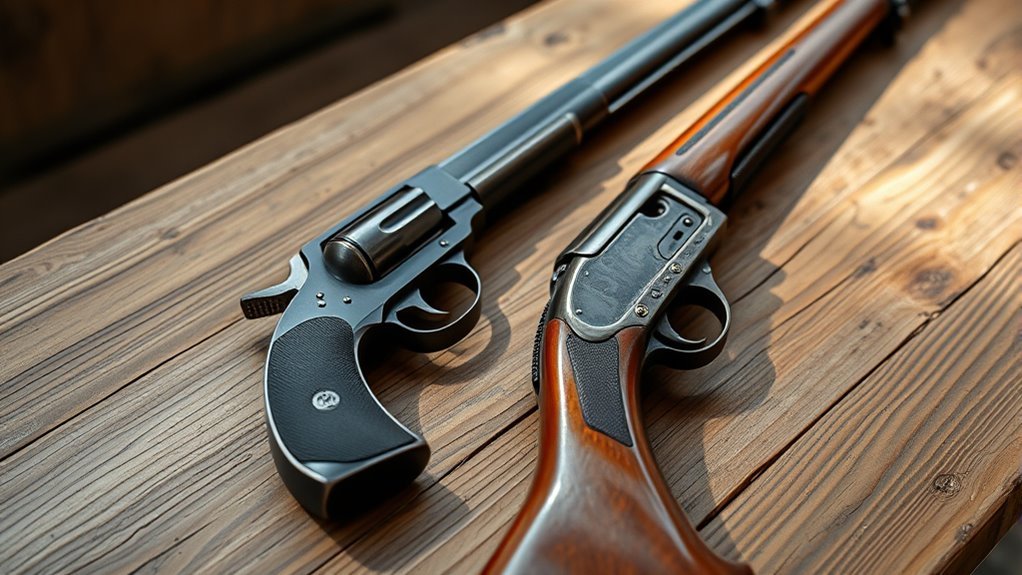
You’ll want to know that “pistola” refers to a small, one-handed firearm, while “fusil” means a long gun designed to be fired with both hands. These terms highlight key differences in size and use, from sidearms to rifles or shotguns.
Understanding how context and regional variations affect their meaning will help you choose the right word every time. It’s pretty handy to keep these distinctions in mind!
Definition And Usage
Understanding the difference between “pistola” and “fusil” helps you choose the right word for various firearms in Spanish. You use “pistola” when referring to handguns, like revolvers or small semi-automatic guns you can hold and fire with one hand.
On the other hand, “fusil” means a long-barrel firearm, like rifles or military-style guns designed to be fired from the shoulder. When talking about guns in our family, you’d call a handgun a “pistola” and a hunting rifle a “fusil.”
Be careful, though—”pistola” can sometimes appear in slang or non-weapon contexts, so context matters. To speak clearly, match the word to the weapon type and how it’s used, ensuring you communicate accurately in Spanish.
Physical Characteristics Comparison
Distinguishing a pistola from a fusil starts with their physical design and intended use. A pistola, or handgun, is compact and light, designed to be fired with one hand. It usually has a shorter barrel and sight radius, making it ideal for short-range use.
In contrast, a fusil is a long-barrelled firearm meant to be fired from the shoulder. Fusiles are heavier and longer, often equipped with longer sights or scopes to enhance accuracy and range.
While pistolas fire from a single chamber or semi-automatic magazine, fusiles deliver greater muzzle velocity and precision. Knowing these physical differences helps you correctly identify and use the terms pistola for handguns and fusil for rifles or similar long guns in Spanish.
Contextual Language Differences
Although both “pistola” and “fusil” translate to “gun” in English, knowing when to use each term depends on the context and the firearm’s characteristics. The popular Spanish-English dictionary clarifies that “pistola” refers to small, handheld firearms, while “fusil” means longer rifles.
You’ll want to keep these distinctions in mind:
- Use pistola for handguns, revolvers, or pistols.
- Say fusil when referring to rifles or military-style long guns.
In casual speech, some might call any gun a “pistola,” but precision matters. Legal texts separate “pistolas” and “fusiles” for regulation.
Soldiers and hunters typically carry “fusiles,” civilians “pistolas.” Understanding these differences helps you communicate clearly in Spanish.
Other Meanings of “Pistola” in Spanish Culture
When you hear “pistola” in Spanish, remember it can mean more than just a gun. Sometimes, it’s slang for the male sex organ or a rude hand gesture, so context matters.
Historically, “pistola” even referred to a gold coin, showing its varied uses across time and place. It’s pretty interesting how one word can have so many meanings, right?
Slang Meanings Explained
Slang meanings of “pistola” can catch you off guard if you’re not familiar with Spanish culture. While “pistola” literally means a small gun en español, it also carries slang uses you should know.
It’s a vulgar euphemism for the male genitalia, linking firing a gun to ejaculation or urination. The common hand gesture mimicking a pistola signals “don’t mess with me” or crudely alludes to the slang meaning.
In formal speech, stick to “pistola” for handguns and avoid slang to prevent misunderstandings. The slang sense can be offensive, so context and audience matter a lot.
Be cautious using “pistola” slang, especially in casual or mixed company. Understanding these helps you navigate Spanish slang with confidence.
Historical Coin Reference
You might be surprised to learn that “pistola” doesn’t only refer to a small firearm in Spanish; it also historically named a gold coin similar to a doubloon. This coin, often called a pistole in other European regions, was minted in places like Geneva during the 17th and 18th centuries.
Spanish dictionaries and etymologies still list pistola as a term for this valuable gold coin, alongside its firearm meaning. While you won’t hear this coin sense in everyday modern Spanish, it remains documented in user-contributed dictionary entries.
Common Slang Terms for Gun in Spanish-Speaking Countries
If you’re diving into conversations about firearms in Spanish-speaking countries, you’ll quickly come across a variety of informal terms that differ by region. While “arma” and “pistola” are your go-to neutral words for gun and handgun, slang for gun varies widely.
Here are some common examples:
- Cuete: Popular in Central America, Colombia, and Puerto Rico for a handgun
- Chimba: Used in Colombia, but be cautious of its other meanings
- Cacharro and Cuerno: Found in Mexican slang for guns
- Revólver: Another common slang term for a handgun
- Metralla: Colloquial for automatic or military-style firearms
If you’re unsure, it’s best to stick with “arma” or “pistola.” Slang can have different or sensitive meanings depending on the country, so better safe than sorry!
When to Use “Arma” and “Arma De Fuego” for Guns Formally
When discussing firearms in formal Spanish contexts, it’s important to use “arma” and “arma de fuego” correctly to convey your meaning clearly. Use “arma” as a general term for any weapon in legal or news settings, but switch to “arma de fuego” when you want to specify firearms. This helps distinguish them from knives or other weapons.
In official documents, “arma de fuego” is preferred over informal words like “pistola” because it covers all firearm types. However, if you want to be precise, pair “arma de fuego” with the specific firearm type, such as “pistola” for a handgun.
If the context clearly involves firearms, “arma” alone works. But you should use “arma de fuego” whenever there might be confusion with non-firearm weapons. That way, your meaning stays clear and formal.
Contextual Factors Influencing Spanish Words for “Gun
Although many Spanish words translate to “gun,” the choice depends heavily on context, region, and formality. You’ll notice that pistola usually refers to small, handheld firearms, while fusil describes longer rifles.
Many Spanish words mean “gun,” but usage varies by context, region, and formality.
The word arma serves as a general term but varies by setting and region. Keep these factors in mind:
- Use pistola for common, small guns in everyday speech.
- Choose fusil or rifle when referring to long guns or military weapons.
- Opt for arma in formal, legal, or neutral contexts.
- Avoid slang or vulgar terms unless you fully understand regional meanings.
- Recognize that some words like pistola can carry unintended connotations in certain dialects.
Examples of “Gun” in Spanish Sentences for Everyday Use
Using the right Spanish word for “gun” depends on what you’re talking about and where you are. If you mean a handgun, you’d say “pistola.” For example, “Él lleva una pistola oculta” means “He carries a hidden gun.”
When referring to guns in general, “arma” works well, like “El arma estaba cargada,” or “The gun was loaded.” If you want to talk about firing a gun, use “disparar.”
For instance, “No debes disparar sin razón” means “You shouldn’t shoot without reason.” These simple sentences help you use the correct term naturally.
Tips for Pronouncing Spanish Gun-Related Words Correctly
You’ll often find that mastering the pronunciation of Spanish gun-related words makes your speech clearer and more natural. Focus on stress and syllables to sound confident when using terms like arma, pistola, and disparar.
Here are some tips to help you:
- Pronounce pistola as pee-STO-la, stressing the second syllable.
- Say arma with emphasis on the first syllable: AR-ma.
- When using disparar, stress the last syllable: dis-pa-RAR.
Roll the “r” gently in words like disparar for a native touch. Practice longer words like ametralladora slowly, breaking them into syllables (ah-meh-tra-ya-DO-ra).
These simple techniques guarantee you communicate clearly and sound natural in Spanish conversations about guns. Give them a try!
Frequently Asked Questions
What Is Another Slang Word for “Gun”?
Another slang word for “gun” you might hear is “chopo.” It’s common in some Mexican regions, but slang varies widely.
Be careful using it since meanings can change depending on where you are and who you talk to. Just something to keep in mind if you decide to use it!
What Is the Difference Between a Gun and a Pistol?
You might think a gun and a pistol are the same—spoiler, they’re not. A gun’s the big umbrella; a pistol’s just the tiny, one-handed star.
Are There Strict Gun Laws in Spain?
Yes, Spain has strict gun laws you must follow. You’ll need licenses, background checks, and medical exams.
You can’t own automatic weapons, and you must join shooting clubs for many firearms. Violations bring serious penalties.
How Do You Say “Jump the Gun” in Spanish?
Don’t jump the gun—“no te precipites” or “no te adelantes” warns you in Spanish.
If you’ve already acted too soon, say “me precipité.” It’s like racing before the starter’s pistol fires, rushing the moment.
Conclusion
Now that you’ve unlocked the keys to Spanish gun words, picture yourself confidently steering conversations, like a skilled marksman hitting every linguistic target. Whether you choose “pistola” or “arma de fuego,” you’re armed with the right terms to express yourself clearly.
Keep practicing your pronunciation, and soon these words will roll off your tongue like a smooth trigger pull—sharp, precise, and ready for any cultural conversation that comes your way. With just a little effort, saying “gun” in Spanish will feel natural and effortless. So go ahead, use “pistola” or “arma de fuego” in your next chat and watch your confidence grow as you master these key Spanish gun words.