Is It Bad to Dry Fire a Gun Safely?
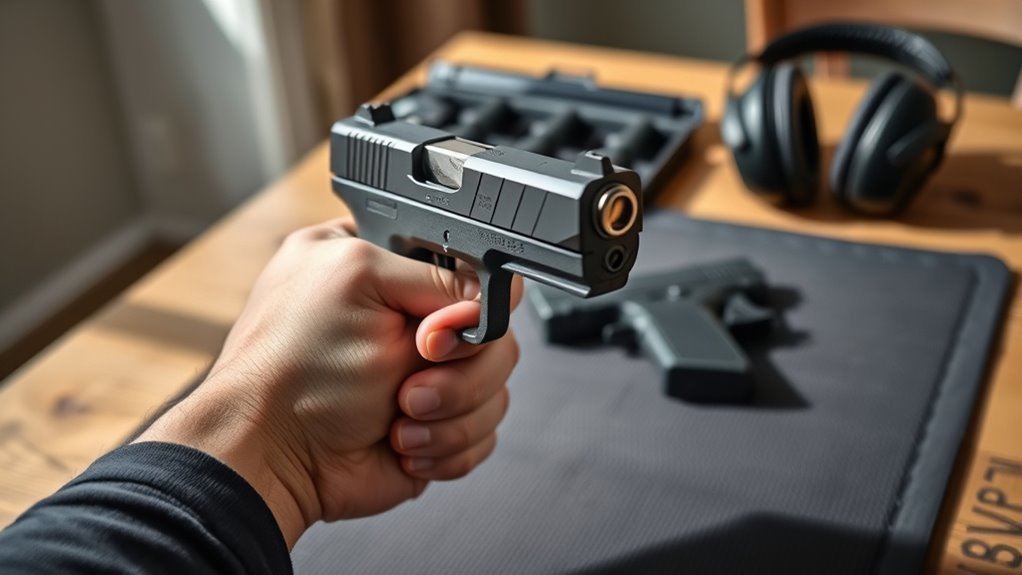
You’re not harming your gun if you dry fire safely using proper techniques and tools. Most modern centerfire firearms handle dry firing well, especially when you use snap caps that protect firing pins. These little additions can make a big difference in keeping your gun in good shape.
Rimfire guns, however, need snap caps to prevent damage during dry fire practice. Always double-check your gun is unloaded and follow safety precautions to avoid accidents or unnecessary wear. Safety first, right?
Mastering dry fire practice can boost your shooting skills considerably. It’s a smart way to practice without using live ammo. Keep exploring to discover expert tips and critical safety steps that will help you get the most out of your dry fire sessions.
Key Takeaways
- Dry firing most modern centerfire firearms safely causes no damage, especially when using snap caps for added protection.
- Rimfire guns require snap caps during dry fire to prevent firing pin and chamber damage.
- Always ensure the firearm is unloaded before dry firing to avoid accidental discharge.
- Using slow, deliberate trigger pulls during dry fire improves shooting skills and trigger control without harming the gun.
- Consult manufacturer guidelines or a gunsmith to confirm if your specific firearm is safe for dry firing.
What Is Dry Firing and Why You Should Try It
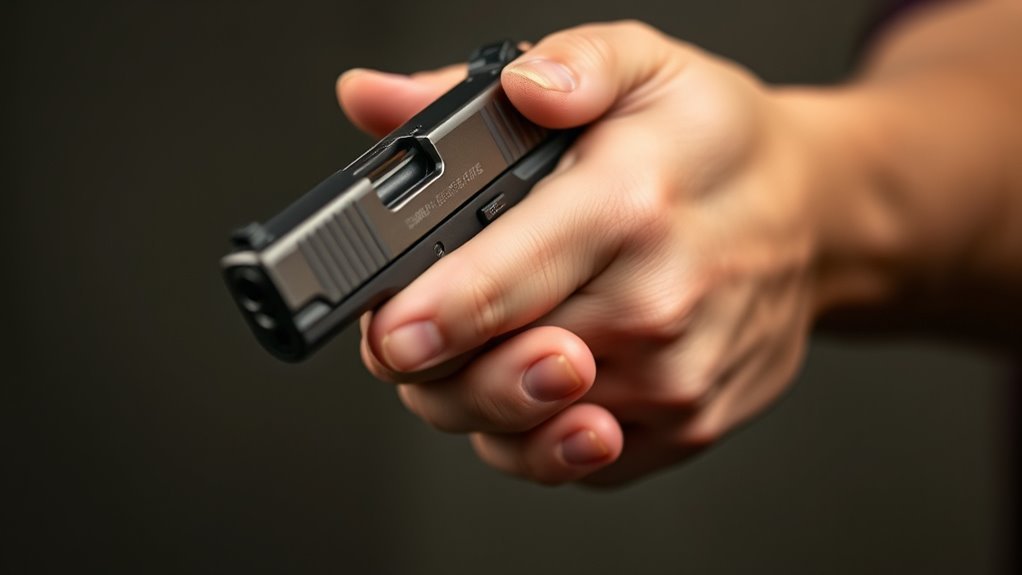
What exactly is dry firing, and why should you consider adding it to your training routine? Dry firing is the practice of pulling the trigger on an unloaded firearm to simulate shooting without live ammunition. This technique helps you sharpen your trigger control, improve sight alignment, and refine your overall shooting mechanics.
By practicing dry firing, you focus on critical fundamentals like grip, trigger squeeze, and target acquisition without the distraction of noise or recoil. It’s a cost-effective way to build muscle memory and enhance your skills without needing range time or ammo.
Incorporating dry firing regularly into your training routine allows you to train safely and efficiently. Plus, it makes each live-fire session more productive. If you want to become a better shooter, dry firing is definitely worth trying.
Which Guns Are Safe for Dry Firing
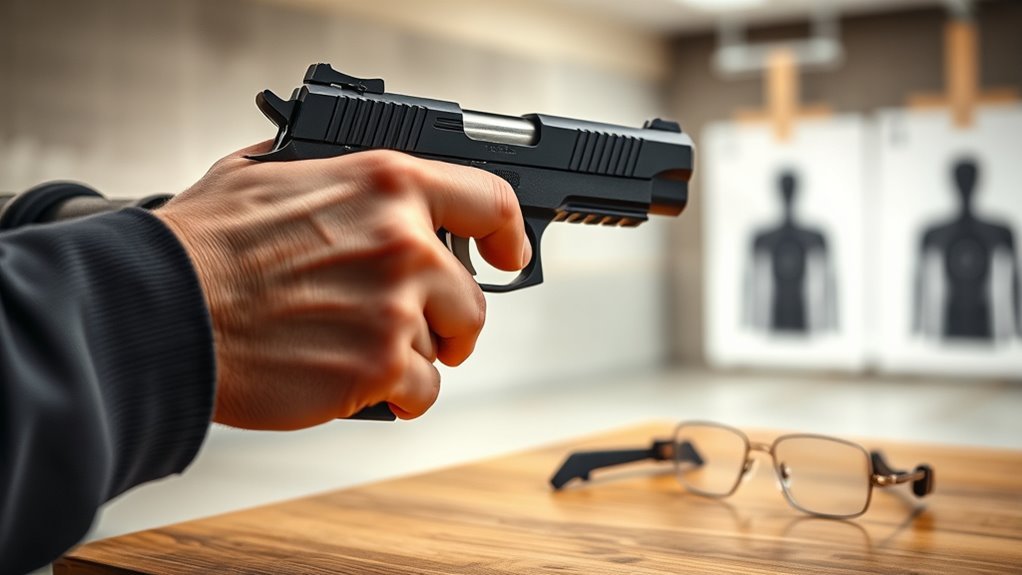
Which firearms can you safely dry fire without risking damage? Most modern centerfire guns handle dry fire well, especially when you use snap caps.
Most modern centerfire firearms can be dry fired safely, especially when snap caps are used for added protection.
However, rimfire guns usually need snap caps to avoid firing pin damage, and older or delicate firearms benefit from extra protection. Here’s a quick guide:
- Modern centerfire firearms: Safe to dry fire, snap caps recommended
- Rimfire guns: Use snap caps to prevent firing pin damage
- Single-action revolvers: Safe if designed for dry fire or with snap caps in each chamber
- Older guns with sensitive firing pins: Always use snap caps
- Always check manufacturer guidelines or consult a gunsmith
Using snap caps not only protects your firearm but also lets you practice dry fire confidently and safely. It’s a simple step that makes a big difference!
How to Stay Safe When Dry Firing
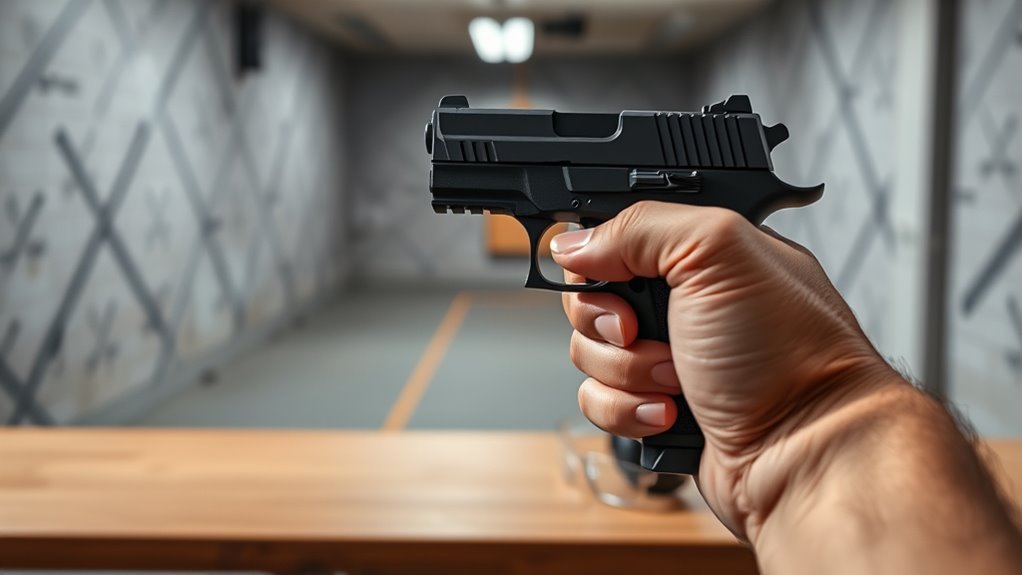
Although dry firing is a valuable practice tool, you must always double-check that your firearm is completely unloaded and visually inspect the chamber before you begin.
To maintain firearm safety, use snap caps or dummy rounds to protect the firing pin, especially with rimfire or older guns. Choose a safe, designated area free from live ammunition and distractions for your dry fire sessions.
Keep your finger off the trigger until you’re ready to fire, practicing proper trigger discipline. Always consult your firearm’s manual to confirm dry firing won’t harm your specific model.
How Dry Firing Improves Your Shooting Skills
When you dry fire, you sharpen your trigger control by practicing smooth, consistent presses without recoil distractions.
You also fine-tune your sight alignment, making it easier to hit your target with precision.
These focused drills build the skills you need for better accuracy when you’re live firing.
Enhances Trigger Control
Because dry firing eliminates recoil and noise, it lets you focus entirely on pressing the trigger smoothly and consistently. When you dry fire, you train your muscles to perform precise trigger control without distraction.
This practice builds muscle memory and helps you identify and correct trigger jerks or anticipation. Here’s how dry fire enhances your trigger control:
- Develops a smooth, consistent trigger press
- Trains you to feel the trigger’s “break”
- Eliminates flinching caused by recoil anticipation
- Reinforces proper finger placement and pressure
- Speeds up your target acquisition by steadying pulls
Refines Sight Alignment
If you want to improve your shooting accuracy, dry firing helps you sharpen your sight alignment by letting you focus on your aim without recoil distractions. When you practice dry firing regularly, you build muscle memory for maintaining a proper sight picture and steady positioning.
This consistent repetition makes it easier to spot and correct any misalignments before you even fire a live round. As a result, your sight alignment becomes more precise, which translates to faster target acquisition and better shot placement in real scenarios.
Dry firing drills train your eyes and hands to work together smoothly, enhancing your overall accuracy. So, incorporating dry firing into your routine is a smart way to refine your sight alignment and boost your shooting skills.
Setting Up Your Dry Fire Space and Target at Home
Although dry firing is a low-risk practice, you’ll want to set up a safe, clutter-free space like a garage or empty room with good ventilation. This helps you stay focused and avoid accidents.
Creating an ideal environment is key to making dry fire a safe practice. Here’s what you should do:
- Choose a clutter-free area such as a garage or basement.
- Use a stable, non-slip surface to rest your firearm securely.
- Set up a clearly visible target at your usual shooting distance.
- Remove all live ammunition from the area.
- Guarantee proper lighting and minimize distractions.
How Snap Caps Protect Your Gun During Dry Fire
Once you’ve set up a safe space for dry firing, it’s important to protect your firearm’s internal components. Snap caps, which are specially designed dummy rounds, play a vital role here. They absorb the impact of the firing pin during dry fire, preventing damage that could occur if you fire without any cartridge.
These dummy rounds use soft, resilient material to cushion the firing pin, reducing the risk of overextension or breakage. Using snap caps allows you to practice safely without harming your gun’s firing pin or chamber. Plus, they help maintain the firing pin spring tension and overall mechanism integrity over time.
Compatible with most firearms and reusable, snap caps are a smart, cost-effective way to protect your gun during dry fire. So, if you’re serious about dry firing, snap caps are definitely worth having around. They keep your firearm safe and your practice effective.
Dry Fire Drills and Tips to Improve Your Skills
You can sharpen your trigger control by practicing specific dry fire drills designed to build muscle memory. Using tools like snap caps and laser trainers helps you simulate real shooting scenarios safely.
Follow a step-by-step routine to make your practice more effective and consistent. It’s all about staying focused and making each practice session count.
Trigger Control Techniques
When you focus on maintaining a steady, consistent trigger press during dry fire drills, you develop proper trigger control and reduce flinching. Practicing trigger reset by slowly releasing the trigger to the “wall” helps improve both accuracy and speed when you shoot live rounds.
You’ll also find that smooth, deliberate trigger pulls minimize muzzle movement and tighten your shot groupings.
To sharpen your skills, try these trigger control techniques: isolate trigger finger movement to spot jerking or anticipation. Practice slow, controlled trigger presses.
Use trigger reset drills to build muscle memory. Incorporate snap caps or laser trainers for feedback.
Focus on smooth trigger pulls to reduce muzzle climb.
These habits build better trigger control and safe handling for more effective shooting.
Using Dry Fire Tools
Although live firing remains essential, incorporating dry fire tools into your practice routine dramatically improves shooting skills without the expense or risk of live ammunition. When you use an unloaded gun for dry fire drills, you eliminate the dangers of live rounds while still honing critical skills like trigger control and sight alignment.
Dry fire tools such as laser trainers and recoil simulators provide immediate feedback and simulate realistic recoil, making your practice more effective. By focusing on proper trigger pull techniques and reset during dry fire sessions, you develop muscle memory that translates to better accuracy.
Consistent use of these tools, combined with strict safety checks to confirm your gun is unloaded, guarantees you improve proficiency without risking damage to your firearm or your safety. It’s a smart way to practice more, safely and efficiently.
Step-by-Step Practice
Since consistent practice is key to mastering firearm skills, following a structured step-by-step dry fire routine can greatly boost your accuracy and handling.
Dry fire drills improve trigger control, sight alignment, and muscle memory without using live rounds. Here’s how to get started:
- Use snap caps or dummy rounds to protect your firing pin during dry fire.
- Focus on slow, deliberate trigger pulls to find the “wall” and refine precision.
- Practice drawing, aiming, and re-engaging targets to build situational readiness.
- Incorporate consistent repetition to reduce flinching and enhance control.
- After each session, inspect your firearm for wear or damage to guarantee safety.
Common Dry Fire Mistakes to Avoid
Because dry firing involves manipulating your firearm without live ammunition, you need to avoid common mistakes that can damage your gun or compromise safety. Always check your firearm’s chamber to guarantee it’s unloaded before you dry fire.
Avoid dry firing rimfire guns without snap caps, as this can harm the firing pin or chamber. Don’t dry fire single-action revolvers with empty chambers to prevent cylinder or hammer damage.
If you use older firearms with overextended firing pins, protect them with proper safety devices. Always keep your finger off the trigger and point your gun safely during practice.
Consider using training pistols designed for dry fire to reduce risk. It’s a smart way to keep things safe and avoid any unnecessary damage.
| Mistake | Consequence |
|---|---|
| Dry firing rimfire guns | Firing pin or chamber damage |
| Dry firing single-action revolvers | Cylinder or hammer damage |
| Assuming gun is unloaded | Accidental discharge |
| Ignoring older firearm specs | Firing pin overextension damage |
Frequently Asked Questions
Will Dry Firing Ruin Your Gun?
Dry firing won’t ruin most modern centerfire guns if you do it carefully.
But you should avoid dry firing rimfire guns or older models without snap caps. Otherwise, you risk damaging the firing pin or chamber.
What Guns Shouldn’t Dry Fire?
You wouldn’t want to crack a fragile glass; similarly, avoid dry firing rimfires, vintage guns, and single-action revolvers without snap caps.
Always check your firearm’s manual—some guns are delicate and won’t forgive careless dry firing. It’s better to be safe than sorry!
Will Dry Fire Hurt a Glock?
Dry firing your Glock won’t hurt it because it’s designed to handle it. You can train safely without worrying about damage.
That said, using snap caps can help protect the firing pin. They can extend your gun’s lifespan even more.
Does Dry Firing Help Your Shooting?
Yes, dry firing helps your shooting by improving your trigger control, muscle memory, and target acquisition. You’ll build better habits, reduce flinching, and enhance accuracy.
This makes your live-fire practice more effective and consistent. It’s a simple way to get better without using any ammo. Give it a try!
Conclusion
Dry firing, when done safely, is like sharpening your skills in the quiet before the storm. You’re training your mind and muscle memory without the noise or recoil, making each real shot count.
Just remember to use snap caps and follow safety tips to protect your gun and yourself. These simple steps help prevent damage and keep your practice safe.
With consistent practice and care, dry firing can transform your shooting abilities, turning potential risks into powerful improvements. It’s a smart way to build accuracy and confidence without live ammo.
Keep at it, and you’ll see the difference. Dry firing safely is not bad at all—in fact, it’s an effective training method that enhances your skills while minimizing wear on your firearm. So, always practice safe dry firing techniques to improve your shooting performance and maintain your gun’s longevity.