
How Old Do You Have to Be to Buy a Gun?
You have to be at least 21 to buy a handgun and 18 to buy a long gun from licensed dealers under federal law. These age requirements are set to help keep firearms out of the hands of very young individuals.
However, many states raise the minimum age to 21 for all firearms to enhance safety even more.
Some states allow minors limited, supervised firearm access for hunting or training. This means younger people might be able to use guns under strict conditions.
Age rules vary widely, so knowing your local laws is key. It’s important to understand how these laws impact youth safety and the exceptions for minors.
Keep exploring to learn more about the details and how they apply where you live.
Key Takeaways
- Federal law requires buyers to be at least 21 for handguns and 18 for long guns from licensed dealers. Several states set the minimum age at 21 for purchasing all types of firearms.
- Unlicensed sellers cannot legally transfer handguns to anyone under 18. Minors may possess firearms only under supervision for hunting, training, or employment purposes.
- Always check local state laws, as age requirements and exceptions vary significantly. It’s important to stay informed because rules can be quite different depending on where you live.
Federal Minimum Age Requirements for Buying Guns
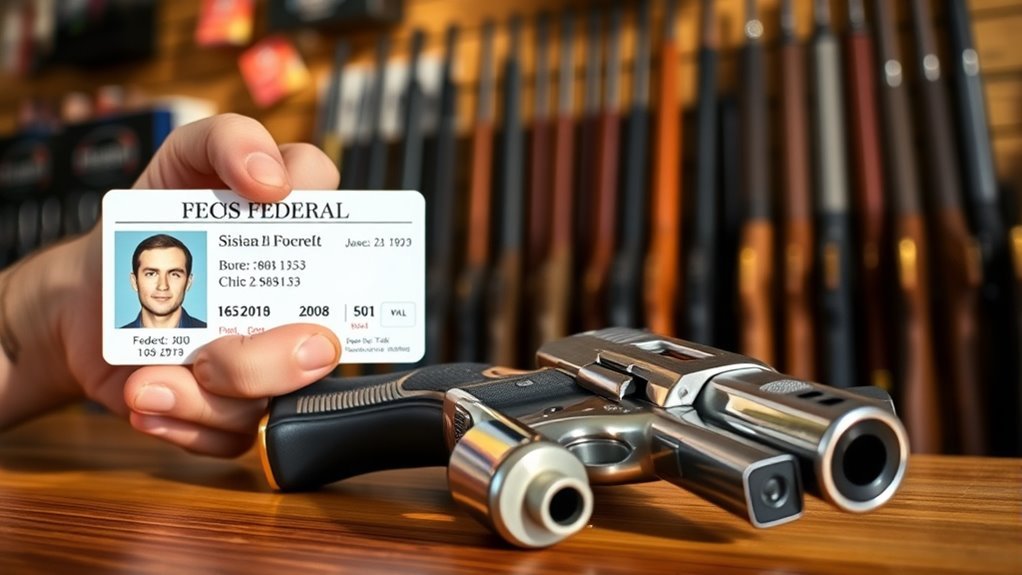
Although gun laws vary by state, federal regulations set clear minimum age limits for buying firearms from licensed dealers. Under federal law, you must be at least 21 years old to purchase a handgun from a licensed dealer.
Federal law requires buyers to be at least 21 to purchase handguns from licensed dealers.
For long guns, like rifles and shotguns, the minimum age is 18. These firearm laws also regulate transfers: unlicensed sellers cannot transfer handguns to anyone under 18, but there’s no federal minimum age for long gun transfers by unlicensed persons.
While minors under 18 generally can’t possess handguns, exceptions exist for activities like hunting or safety training. So, when you’re thinking about buying a gun, knowing the federal purchase age helps you figure out what’s legal and what’s not.
This is especially true when dealing with licensed dealers and transfers regulated by federal law.
Which States Have Raised Minimum Firearm Purchase Ages and How
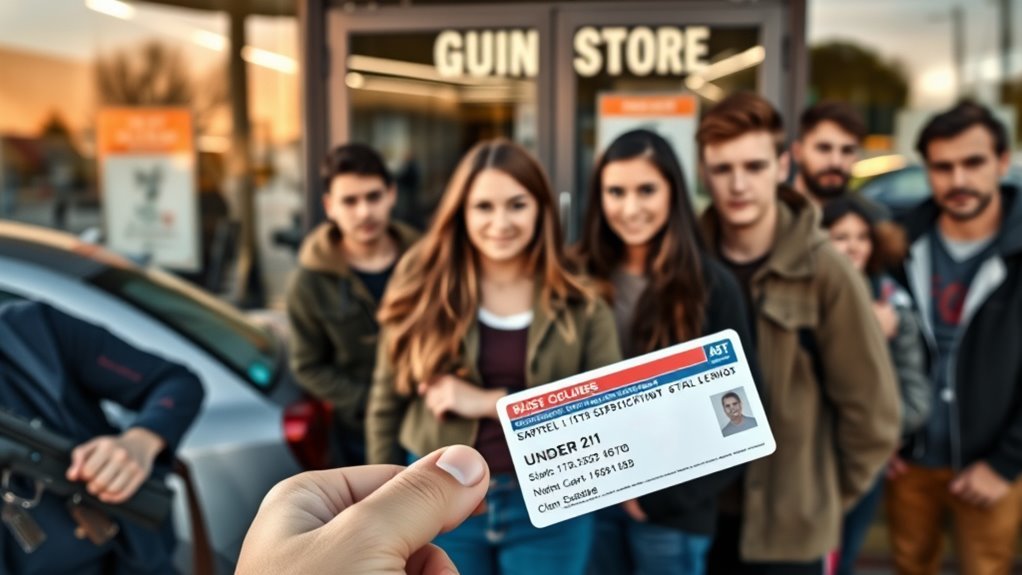
When you look beyond federal laws, you’ll see that thirteen states and Washington, D.C., have raised the minimum age to buy any firearm to 21. These states have updated their laws to tighten age requirements around firearm purchase, including handguns, rifles, and shotguns.
Here’s a quick overview: California, Massachusetts, and New York require you to be 21 to buy handguns and sometimes assault weapons. Illinois and Pennsylvania raised the age to 21 for rifles and shotguns, exceeding federal minimums. Vermont and New Mexico set the minimum age at 21 for all firearm purchases.
Many states raised the age to reduce youth access to guns and related violence. These changes reflect a shift in state-level firearm purchase laws beyond federal standards.
You’ll find these raised age requirements increasingly common as states aim for safer communities. It’s part of a broader effort to keep guns out of the hands of younger people.
Age Limits for Handguns vs. Long Guns: Federal and State Differences
States that have raised the minimum firearm purchase age often make a clear distinction between handguns and long guns. Under federal law, licensed dealers can’t sell handguns to anyone under 21, but there’s no federal minimum age for buying long guns from licensed dealers—18 is generally the minimum age.
When it comes to transfers by unlicensed sellers, federal restrictions prohibit giving handguns to minors under 18, while no such age limits exist for long guns. State laws may impose stricter purchase age requirements, frequently setting the minimum age for handguns at 21, while allowing long gun sales at 18 or younger.
These federal and state laws reflect the different restrictions placed on handguns versus long guns. So, you’ll want to check your state’s rules before attempting any firearm transfer or purchase.
States That Require You to Be 21 to Buy a Gun
You’ll find that thirteen states require you to be 21 to buy any type of gun, including handguns and long guns.
In some places, like Virginia and Vermont, the rules vary depending on the firearm type. Understanding these age laws can help you know exactly when you’re legally allowed to purchase different firearms.
States With Age 21
Thirteen states, including California, Colorado, and New York, require you to be at least 21 years old to purchase any firearm. These states have set a minimum age to restrict gun sales and reduce youth access, going beyond federal firearm laws.
Whether you’re buying a handgun or long gun, licensed dealers in these states won’t sell to anyone under 21. Here’s what you should know about states with age 21 restrictions:
- Firearm purchase age for both handguns and long guns is 21
- Stricter rules than federal laws on age for possession
- Gun sales prohibited under 21 by licensed dealers
These laws aim to lower firearm injuries and suicides among young adults. They also apply to assault firearms and semiautomatic rifles as well.
Understanding these firearm laws helps you navigate age restrictions clearly. It’s good to be aware so you know what to expect.
Handgun Versus Long Gun
If you’re in one of the states where the minimum age to buy a gun is 21, this age limit applies equally to handguns and long guns. These firearm laws impose a strict age restriction, meaning you must be 21 to complete handgun sales or long gun sales through a licensed dealer.
Unlike federal rules allowing 18-year-olds to buy long guns, these states raise the purchase age to 21 for all firearms. The goal here is to reduce youth access.
| State | Minimum Age for Handgun | Minimum Age for Long Gun |
|---|---|---|
| California | 21 | 21 |
| Florida | 21 | 21 |
| Washington | 21 | 21 |
This uniform purchase age guarantees consistent enforcement of firearm laws across all gun types. It just keeps things straightforward and fair.
Variations In Age Laws
Although federal law sets the minimum age to buy a handgun at 21, several states take this further by requiring you to be 21 to purchase all types of firearms. These variations in firearm laws mean your purchase age depends on state law, not just the federal minimum age.
In states with stricter rules, buying a handgun or long gun from a federally licensed dealer demands you meet the higher minimum age. Here’s a quick look at states that require you to be 21 for gun sales from licensed dealers:
- California
- Colorado
- Massachusetts
- New York
- Virginia
These states impose tougher restrictions to limit access for younger buyers, reflecting a stronger stance on firearm safety beyond federal minimum age requirements. It’s all about keeping things safer for everyone.
States Without Minimum Age Laws and Their Risks
In some states, like Alabama and Texas, there’s no minimum age law for buying guns beyond federal rules. You might not realize this gap can make it easier for youth to get firearms through private sales or transfers.
This lack of clear state restrictions often leads to higher risks of accidents and violence involving young people. It’s something that doesn’t get talked about enough but really should.
Risks of No Restrictions
What happens when states don’t set minimum age limits for gun purchases? Without firearm restrictions, you face increased risks linked to youth access to guns. Minors can easily get firearms from unlicensed sellers or older peers, fueling firearm violence and impulsive gun use.
This lack of minimum age laws correlates with higher rates of firearm-related deaths and youth firearm injuries.
Here’s what you need to know about the risks of no restrictions:
- Increased firearm suicides among 18-20-year-olds by 11% over ten years
- Higher incidents of gun homicides involving youth
- Greater chances of accidental shootings from impulsive gun use
- More youth firearm injuries and deaths overall
- Easy access through unlicensed sellers and informal channels
Without minimum age laws, communities face serious consequences tied to unsafe gun access. It’s a risk that affects everyone.
Impact on Youth Safety
When states don’t set minimum age limits for gun purchases, you’re more likely to see higher rates of youth firearm-related deaths and injuries. Without age restrictions, minors can get their hands on guns more easily. This leads to more firearm suicides, homicides, and injuries.
Over the past decade, firearm suicides among 18-20-year-olds have risen by 11%. Part of this increase is because of lax gun laws. This is a real threat to youth safety and shows why strong minimum age policies are so important.
| Impact Area | Consequence Without Minimum Age Laws |
|---|---|
| Firearm Suicides | Increased, especially ages 18-20 |
| Firearm Homicides | Higher youth involvement |
| Firearm Injuries | More accidental shootings |
Putting in place minimum age laws helps reduce these risks. It’s a key step to protecting young people from firearm-related harm.
Exceptions and Special Rules for Minors and Supervised Firearm Possession
Although minors under 18 can’t buy handguns from licensed dealers, you can still have access to firearms under strict supervision for activities like hunting or safety training. Firearm laws set a minimum age but allow juveniles limited possession of firearms during supervised activities.
Here’s what you should know:
- Transfer of firearms to minors is usually illegal unless for supervised hunting, training, or inheritance.
- Juveniles can possess firearms for employment, ranching, or farming with parental supervision.
- Some states permit possession during shooting sports under adult supervision.
- Licensed dealers cannot sell handguns to anyone under 21, but exceptions exist for long guns in certain cases.
- Parental supervision is key to lawful and safe firearm use by minors.
These rules balance safety with responsible access for young firearm users. It’s all about keeping things safe while letting kids learn and participate responsibly.
How Minimum Age Laws Affect Youth Firearm Violence and Suicide
Understanding the rules around minors and supervised firearm use helps set the stage for why minimum age laws matter so much in preventing youth firearm violence and suicide.
Minimum age laws that raise the gun purchase age to 21 have shown a clear gun laws impact, reducing firearm suicide by 12% among 18-20-year-olds. Firearm restrictions and age restrictions are essential because adolescent brains, still developing impulse control, make youth more vulnerable to risky decisions, including self-harm.
States with stricter minimum age laws see fewer firearm deaths, especially from youth firearm violence and firearm suicide. Since firearm access greatly increases suicide risk, these laws serve as critical barriers, lowering youth firearm violence and saving lives by limiting early access to guns during this sensitive developmental period.
Checking Your State’s Gun Purchase Age Laws
Since gun purchase age laws vary widely across the country, you’ll need to check your state’s specific regulations to know the minimum age for buying firearms. State laws outline who can legally make a firearm purchase, and these age restrictions differ depending on the firearm type and whether you’re buying from a licensed dealer.
Here’s what to keep in mind when checking your state’s gun laws:
- Some states require you to be 21 to buy any firearm, including handguns.
- Other states allow long guns purchases at 18, matching federal law.
- Thirteen states plus D.C. set 21 as the minimum age specifically for handguns.
- Age restrictions can be stricter than federal firearm laws.
- Licensed dealers must verify your age before any sale.
Always review your state laws to guarantee compliance. It’s the best way to make sure you’re following the rules.
Frequently Asked Questions
Can I Carry a Gun Around at 18?
You can carry a gun at 18 in some states, but laws vary. You’ll likely need a permit, and certain places may restrict carrying.
Always check your local rules before carrying a firearm in public. It’s better to be safe and informed, right?
Which Guns Can You Buy at 18?
You can buy rifles and shotguns at 18, but not handguns from licensed dealers. Laws vary by state, so check local rules carefully.
In What States Can I Buy a Gun at 18?
You can buy a gun at 18 in 23 states plus D.C., including Alabama and Alaska, mostly for long guns.
Some states like Illinois and Oregon have stricter age limits, so check local laws before buying.
It’s always a good idea to double-check the rules where you live to avoid any surprises.
Can I Own a Gun at 16 in Texas?
You can own a gun at 16 in Texas, but only if you’re supervised during lawful activities like hunting or target shooting.
Over 30% of teens participate in shooting sports, highlighting how common responsible ownership is under guidance.
Conclusion
Understanding the age requirements for buying a gun is essential for staying on the right side of the law and ensuring safety. While federal rules set a baseline, states add their own thoughtful touches, sometimes raising the age to help keep communities safer.
Remember, these guidelines gently encourage responsible decisions around firearms, especially for younger individuals. It’s always a good idea to check your state’s specific laws so you can make informed, respectful choices about gun ownership.
Knowing the legal age to buy a gun helps you stay compliant with both federal and state laws. Being aware of these age requirements plays a big role in promoting gun safety and responsible ownership. So, before you decide to purchase a firearm, make sure you’re clear on the rules in your area. This way, you contribute to a safer community while exercising your rights responsibly.