How Old Do You Have to Be to Buy a Gun?
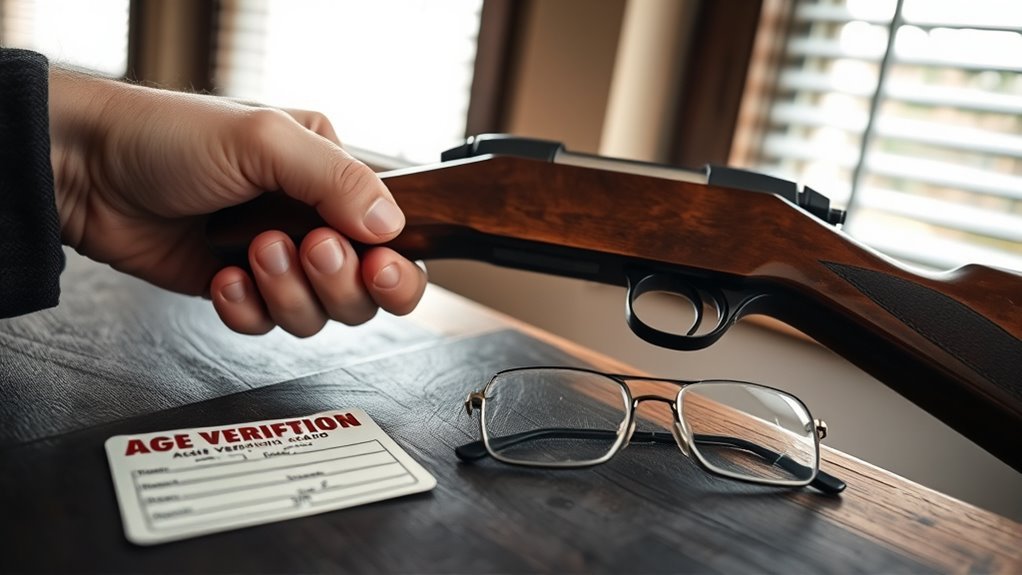
You have to be at least 18 to buy most long guns and 21 for handguns when purchasing from licensed dealers.
Some states raise these limits to 21 for all firearms. Local laws may set even higher age requirements or add restrictions on possession.
Minors can sometimes use guns under adult supervision for hunting or training.
Understanding these rules helps you stay legal and safe. Keep exploring to see how age laws and exceptions might affect you.
Key Takeaways
- Federal law requires buyers to be at least 18 for long guns and 21 for handguns from licensed dealers. Unlicensed sellers cannot sell handguns to anyone under 18.
- There’s no federal age requirement for buying long guns from unlicensed sellers. But keep in mind, many states set higher minimum ages, often 21, for purchasing all firearms, including long guns and handguns.
- Minors may possess firearms only under adult supervision for hunting, training, or safety education exceptions.
- So, it’s always a good idea to verify local and state laws. Age requirements and restrictions can vary a lot depending on where you live.
What Is the Federal Minimum Age to Buy a Gun?
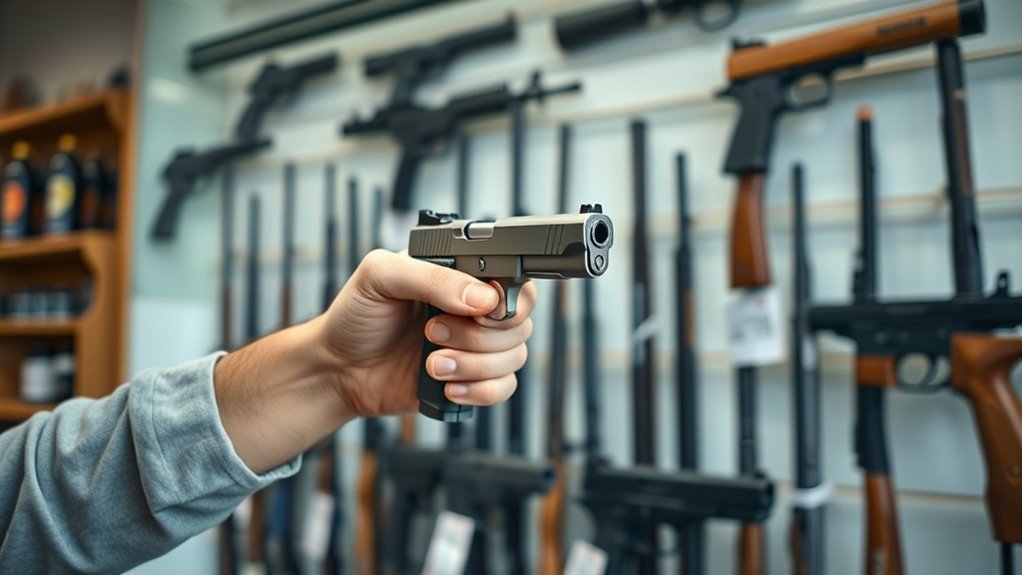
While federal law sets clear age limits, the minimum age to buy a gun depends on the type of firearm and the seller’s license status. The federal minimum age for purchasing a long gun from licensed dealers is 18, but you have to be at least 21 to buy a handgun or handgun ammunition from them.
Licensed dealers must follow these rules strictly to promote firearm safety. When it comes to unlicensed sellers, the purchase age rules differ: handguns cannot be sold to anyone under 18, but there’s no federal minimum age for buying long guns from unlicensed sellers.
These laws aim to restrict minors’ access to guns while allowing exceptions for hunting and sport shooting. Knowing these details helps you understand when and how you can legally buy a gun.
How Do State Laws Affect Gun Purchase Ages?
Because state laws can differ considerably, you need to check local regulations to know the exact age requirements for buying firearms where you live. While federal law sets basic minimum age limits, state laws often raise the bar, especially for handguns.
State laws vary widely, so always verify local firearm age requirements beyond federal minimums.
For example, thirteen states and D.C. require buyers to be at least 21. When it comes to long guns, twenty-three states and D.C. set the purchase age at 18 or higher.
Additionally, many states have specific firearm laws addressing minors. These laws restrict firearm transfer or possession to protect public safety.
Some states even allow exceptions where minors can legally acquire firearms under certain conditions. So, it’s really important to understand these varying minimum age rules.
Knowing the legal age for firearm transfer in your state guarantees you comply with all regulations when considering buying a gun.
Which States Require You to Be 21 to Buy All Firearms?
If you want to buy any firearm, you’ll need to be at least 21 in thirteen states, including California, Colorado, and New York. These states set the minimum age for firearm purchase at 21 years old, applying this age requirement to all firearms, not just handguns.
This law aims to limit youth access and reduce gun violence. Virginia and Vermont also share this strict firearm transfer rule, emphasizing how some states enforce tougher gun laws than federal standards.
| State | Minimum Age for All Firearms |
|---|---|
| California | 21 |
| Colorado | 21 |
| New York | 21 |
| Virginia | 21 |
If you’re under 21, these states’ laws prevent you from buying any firearm. So, no matter what type of gun you’re looking for, you gotta be 21 or older in these places.
What Are the Age Limits for Buying Handguns vs. Long Guns?
Understanding the minimum age to buy firearms varies depending on the type of gun. Federal law sets the minimum age to purchase a handgun from a licensed dealer at 21, but there’s no federal minimum age for buying a long gun from licensed dealers.
You must be at least 18 to buy long guns, and minors aged 18-20 can legally purchase them under federal law. However, unlicensed individuals can’t transfer handguns to anyone under 18, while no federal age restrictions apply to transferring long guns.
State law often aligns with or exceeds these federal limits, with most states requiring you to be 21 to buy handguns and 18 for long guns. So, always check state laws, as they impact the minimum age for firearm purchase and transfer.
How Do Local Laws Impact Minimum Age for Firearm Possession?
You’ll find that local laws can change the minimum age for firearm possession quite a bit depending on where you live. Some places allow minors to handle guns only under supervision, like for hunting or training.
Understanding these exceptions is key to knowing what’s legal in your area. It’s always a good idea to check the specific rules where you are, so you don’t end up on the wrong side of the law.
Variations in Age Limits
Because local laws often set stricter rules than federal regulations, you might find that the minimum age to possess a firearm varies considerably depending on where you live. While federal law generally sets 18 as the minimum age for long gun possession and 21 for handguns, state laws can raise these age requirements.
Some states require you to be 21 to possess any firearm, and cities like New York City prohibit firearm transfers to minors under 21 except in limited cases. You’ll also notice differences in how minors can possess firearms, with many states distinguishing between handguns and long guns.
Additionally, local laws often include safe storage rules that impact minors’ access, adding another layer to the age requirement beyond federal law. So, it really pays off to check your specific state and local regulations before making any assumptions.
Supervised Possession Exceptions
Local laws often carve out exceptions that let minors possess firearms under specific conditions, even if the general age limits are higher. Many states allow supervised possession for minors during lawful activities like hunting or safety courses.
Usually, this requires parental consent or supervision by a licensed trainer. Age requirements and rules can vary widely, so it’s really important to understand your local laws before allowing firearm possession by minors.
| Condition | Requirement |
|---|---|
| Supervised Possession | Licensed trainer or adult |
| Activities Allowed | Hunting, target shooting |
| Parental Consent | Often required |
| Safety Courses | Completion often mandatory |
| Location Restrictions | Private property or designated areas |
Make sure to check local laws carefully to stay compliant with supervised possession exceptions.
What Exceptions Allow Minors to Possess or Use Firearms?
You can possess or use firearms as a minor in certain situations like supervised hunting, training, or safety courses.
Temporary transfers are often allowed for lawful activities, especially when an adult is present.
Let’s explore how these exceptions work and what rules apply to you.
Supervised Hunting And Training
While laws vary by state, minors can often possess or use firearms for supervised hunting, target practice, or safety training when accompanied by a qualified adult. Federal firearm laws allow minor possession of long guns for hunting and sporting purposes, but state regulations set the minimum age and conditions.
You’ll usually need to be under direct supervision from a parent, guardian, or licensed instructor to guarantee safety. Many states require you to complete child safety training or obtain permits before handling a firearm.
Supervised hunting is a common exception, letting minors responsibly learn firearm use under adult guidance. Always check your state regulations carefully, as they define when and how minors can legally possess firearms for training, assuring safety and compliance with firearm possession laws.
Temporary Transfers Allowed
Because minors typically face strict restrictions on firearm possession, exceptions for temporary transfers exist to accommodate activities like hunting, target practice, and safety training. You can legally have temporary transfers of firearms if you’re under the minimum age, but only with your parent or guardian’s written consent.
These transfers allow you to participate in supervised activities such as hunting and target practice. Some states require a minor’s permit to formalize this process.
Federal law also permits minors in the Armed Forces or National Guard to possess handguns in the line of duty. However, temporary transfers don’t grant full possession rights, and inheritance transfers don’t allow immediate possession.
Educational And Safety Exceptions
Although minors generally face strict restrictions on firearm possession, several educational and safety exceptions allow them to use firearms under specific conditions. You can legally allow a minor to possess a firearm for lawful purposes like hunting, target practice, or safety training. This is provided there’s adult supervision and often parental approval.
Federal and state laws recognize these exceptions, including possession during military training or self-defense in certain residences. Typically, minors must have written permission from a parent or guardian. They also need to participate in licensed education or safety programs.
| Exception Type | Requirements |
|---|---|
| Hunting or Target Practice | Adult supervision, parental approval |
| Military Training | Licensed training during duty |
| Safety Education | Participation in licensed courses |
These exceptions make sure minors learn firearm safety responsibly. It’s all about keeping things safe while teaching them the right way.
How Do Age Restrictions Affect Youth Gun Violence and Safety?
When lawmakers raise the minimum age to buy firearms to 21, they directly reduce youth access to guns. This leads to a 12% drop in firearm suicides among 18- to 20-year-olds.
You should understand that age restrictions play a vital role in curbing youth gun violence and promoting firearm safety. Youth aged 18-20 are responsible for 17% of gun homicide offenses despite being just 4% of the population. This highlights the risks tied to impulsivity and developing brains.
Without strong gun laws and proper minimum age limits, firearm access remains too easy for vulnerable youth. This increases both firearm suicides and homicides. By enforcing age restrictions, you help limit impulsive decisions involving guns.
This makes communities safer and reduces tragic outcomes among young people.
What Steps Should You Take to Buy a Gun by Age?
To buy a gun, you first need to verify the minimum age requirements in your state. These can vary between 18 and 21, depending on the firearm and jurisdiction.
Once you know the age requirement, follow these steps to complete your purchase legally:
- Gather proper identification and make sure you meet all legal criteria, including residency and age.
- If you’re buying from a licensed dealer, you’ll need to complete the required paperwork and go through a mandatory background check.
- Also, check if your state requires any additional steps like permits or safety courses under local firearm laws.
It’s always good to double-check so you don’t miss anything important!
Frequently Asked Questions
Can I Carry a Gun Around at 18?
You can carry a gun at 18 in some states, but many require permits or have restrictions. Always check your local laws carefully, because age rules and permit requirements vary widely across the country.
It’s really important to stay informed. Laws can change, and what’s true today might not be tomorrow. So, don’t just assume—double-check!
Which Guns Can You Buy at 18?
You can buy rifles and shotguns at 18 from licensed dealers, but handguns require you to be 21. Keep in mind, some states have stricter rules, so always check your local laws before purchasing.
It’s a good idea to double-check because the rules can vary quite a bit depending on where you live. Better safe than sorry, right?
In What States Can I Buy a Gun at 18?
Just like stepping into the wild west, you can buy a gun at 18 in 23 states and D.C., including Illinois, Nebraska, and Ohio.
Federal law also lets you buy rifles and shotguns at 18 nationwide. So, if you’re looking to get your hands on one, these are the places you can start.
Can I Own a Gun at 16 in Texas?
Yes, you can own a rifle or shotgun at 16 in Texas, but you can’t legally possess handguns without adult supervision or parental permission.
Always follow state laws to stay safe and avoid legal trouble. It’s important to know the rules so you don’t get into any trouble.
Conclusion
Now that you know the ins and outs of gun age laws, you’re way ahead of the game. Remember, buying a gun isn’t as simple as picking up your favorite snack—you’ve got federal, state, and local rules to navigate.
Stay informed, follow the steps carefully, and respect the age limits to keep yourself and others safe. Understanding how old you have to be to buy a gun is key to making responsible choices.
With the right knowledge about gun purchase age requirements, you’ll handle this responsibility like a pro—no rocket science required! So, keep these laws in mind, stay safe, and make smart decisions every step of the way.