When Was the Musket Invented? History and Origins
The short answer is that the musket was invented in the early 16th century. It did not appear all at once as one finished design, and historians usually describe it as an evolution from earlier handguns and arquebuses.
If you are asking when was musket invented, the most common answer is around 1521, when larger arquebus-style firearms that could penetrate armor began appearing in Europe. The exact date can vary because early sources used the word loosely and the design changed over time.
The musket became important because it gave infantry more firepower against armored troops. Over time, it became one of the most influential military firearms in Europe and beyond.
In this guide, you will see where the musket came from, why historians give different dates, and how it changed warfare.
Key Takeaways
- The musket was not invented in one single moment. It developed gradually from earlier gunpowder firearms.
- Most historians place the musket’s emergence in the early 1500s, especially around 1521.
- Early muskets were heavier, smoothbore firearms used to defeat armor at closer ranges.
- The word musket was sometimes used differently in different places and periods, which is why dates vary.
- The musket later evolved into flintlock and percussion versions before being replaced by modern rifles.
Trace the musket’s early roots
The musket did not come out of nowhere. It grew out of earlier gunpowder weapons such as hand cannons, arquebuses, and other matchlock firearms. These early guns were already changing warfare before the musket name became common.
Many early firearms were crude by modern standards. They were slow to load, difficult to aim, and often heavy. But they still gave soldiers a major advantage over traditional armor and melee weapons.
Pro tip: When reading old firearm history, pay attention to how the writer uses the word musket, because early sources often used it more loosely than modern historians do.
If you enjoy learning how firearms evolved, a basic buying guide like <>how to purchase a firearm can help you understand how modern firearm choices are handled today, even though the process is very different from the musket era.
Understand why historians give different dates
There is no single universally agreed invention date for the musket because the term covered a changing family of weapons. Some historians point to the early 1500s, while others note that heavier handguns with musket-like features existed before the word became standard.
That is why you may see dates such as 1517, 1521, or even broader references to the early 16th century. The difference usually comes down to whether the source is talking about the first weapon called a musket, the first weapon that behaved like a musket, or the first widely recognized military musket.
| Milestone | Approximate date | Why it matters |
|---|---|---|
| Early handguns and hand cannons | 14th to 15th century | These were the direct predecessors of the musket. |
| Early musket-like firearms | Early 16th century | Heavier guns began appearing for armor penetration. |
| Musket becomes a standard infantry arm | 16th to 17th century | The musket spreads widely in European armies. |
| Flintlock and later ignition systems | 17th to 19th century | The musket design keeps improving before rifles replace it. |
This is also why a simple one-line answer can be misleading. The musket’s history is better understood as a timeline than a single invention event.
See how the musket changed warfare
The musket mattered because it helped infantry challenge armored opponents more effectively. Early versions were often heavier than the arquebus and sometimes needed support, but they offered more striking power.
As armies adopted the musket, tactics began to change. Soldiers trained in coordinated volleys, and firearms became increasingly central to battlefield strategy.
Why armor lost its advantage
Plate armor was expensive and time-consuming to make. As muskets improved, more soldiers could threaten armored troops from a distance, which reduced the value of full armor on the battlefield.
Why the musket spread widely
Muskets were easier to mass-produce than many earlier weapons, and they required less specialist skill than traditional archery. That made them attractive to commanders building large armies.
For readers interested in the broader gun timeline, history-focused resources such as <>this guide to buying a gun can provide a modern comparison point, even though the legal and practical steps today are completely different from early military service.
Recognize the main musket types
Not every musket looked the same. Over time, the basic concept remained similar, but the ignition system and handling changed a lot.
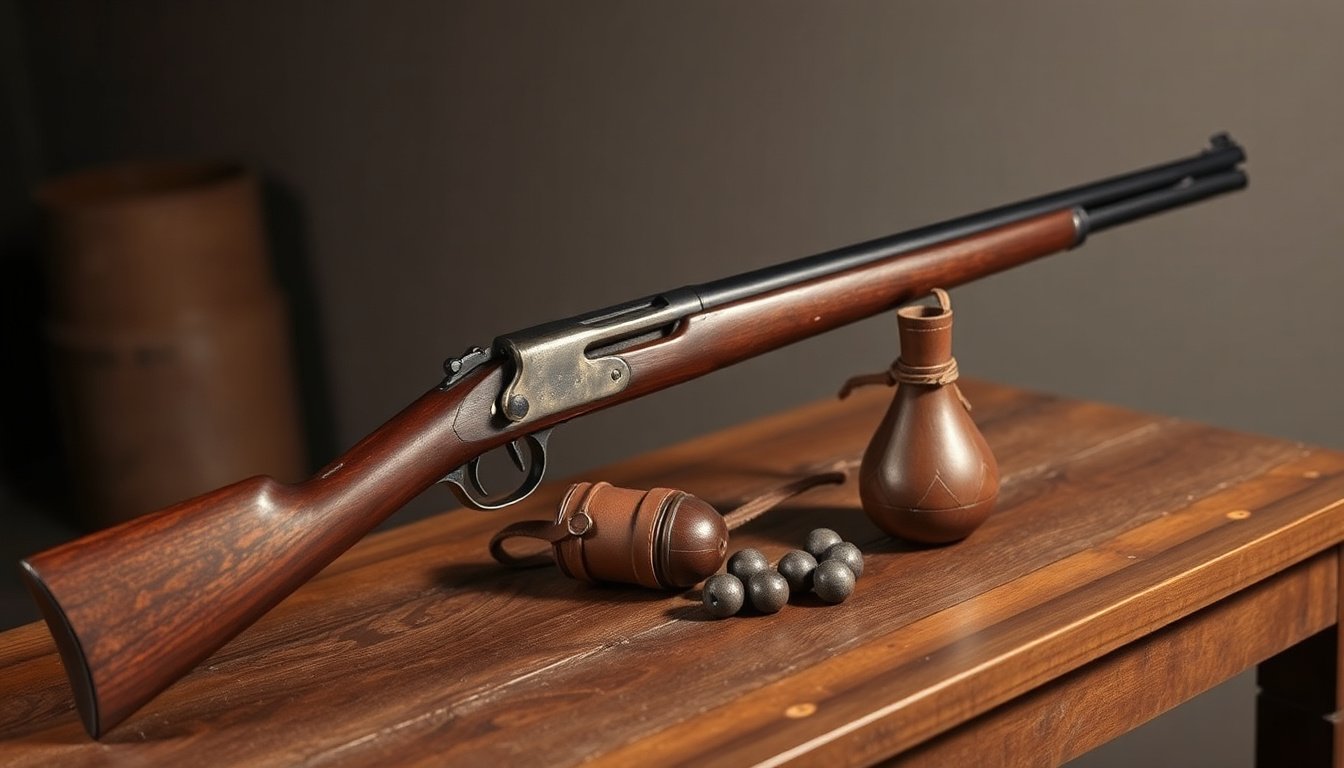
- Matchlock muskets used a burning match to fire the charge.
- Flintlock muskets replaced the match with a spark-making mechanism.
- Percussion muskets used a percussion cap and were more reliable.
Each change made the firearm easier to use in damp conditions and more dependable in the field. That is one reason the musket stayed relevant for so long.
You can think of the musket as a long-running design family rather than one fixed model. The word stayed in use even as the technology evolved.
Know when the musket era ended
The musket did not disappear overnight. Smoothbore muskets were gradually replaced by rifled firearms and then by true modern rifles with better range and accuracy.
By the 19th century, improvements in ignition, ammunition, and barrel design had pushed the classic musket aside. In many histories, the musket era ends when rifled muskets and repeating rifles take over as the standard infantry arm.
If you are comparing old and new firearms, keep safety in mind whenever you handle a gun of any type. Always treat every firearm as loaded, keep the muzzle pointed in a safe direction, and make sure the firearm is unloaded and verified before any maintenance or inspection.
Compare the musket with earlier firearms
The musket is easy to confuse with the arquebus because the two overlapped in time and function. The musket was generally heavier and more powerful, while the arquebus was often lighter and easier to carry.
Here is a simple comparison to keep the difference clear:
| Feature | Arquebus | Musket |
|---|---|---|
| Typical weight | Lighter | Heavier |
| Primary role | General infantry use | Armor penetration and battlefield power |
| Handling | Easier to carry | Harder to carry, often more cumbersome |
| Historical role | Earlier common firearm | Later, more powerful infantry firearm |
That comparison helps explain why the musket became such an important step in firearm development. It was not just a new name. It represented a shift in how armies fought.
Frequently Asked Questions
Who invented the musket?
There is no single inventor who gets full credit for the musket. It developed gradually from earlier firearms in Europe, especially as guns became larger, more powerful, and better suited for battlefield use.
Was the musket invented in Spain?
Spain is often associated with early musket development, but the history is broader than one country. Different European regions contributed to the firearm’s evolution, and early sources do not always use the term in the same way.
What came before the musket?
The musket came after earlier handguns, hand cannons, and arquebuses. Those weapons laid the groundwork for the heavier smoothbore firearm that later became known as the musket.
How long was the musket used?
The musket remained important for several centuries, especially from the 1500s through the 1800s. Its long life comes from repeated improvements in ignition systems, ammunition, and military tactics.
Conclusion
If you were wondering when was musket invented, the best answer is the early 16th century, with many historians pointing to around 1521. That said, the musket was part of a gradual evolution, not a single one-day invention.
Its real importance lies in how it changed warfare. The musket helped push armies away from armor-heavy combat and toward the firearm-driven battlefield that followed.
If you keep the timeline in mind, the history becomes much easier to understand. The musket was not just invented once; it was refined over time until it became one of the defining weapons of its era.