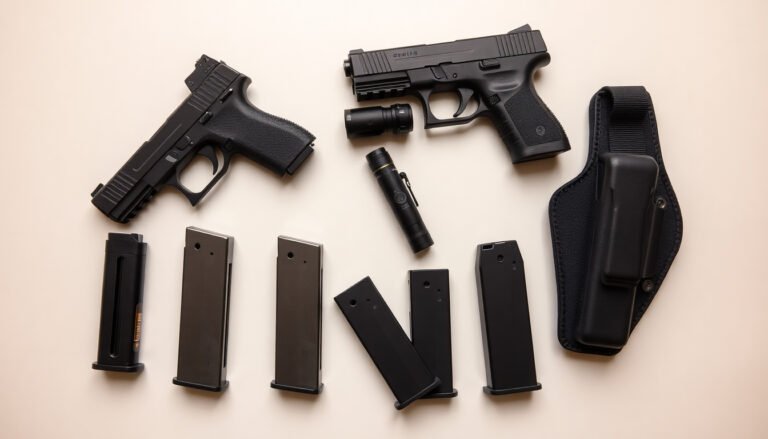
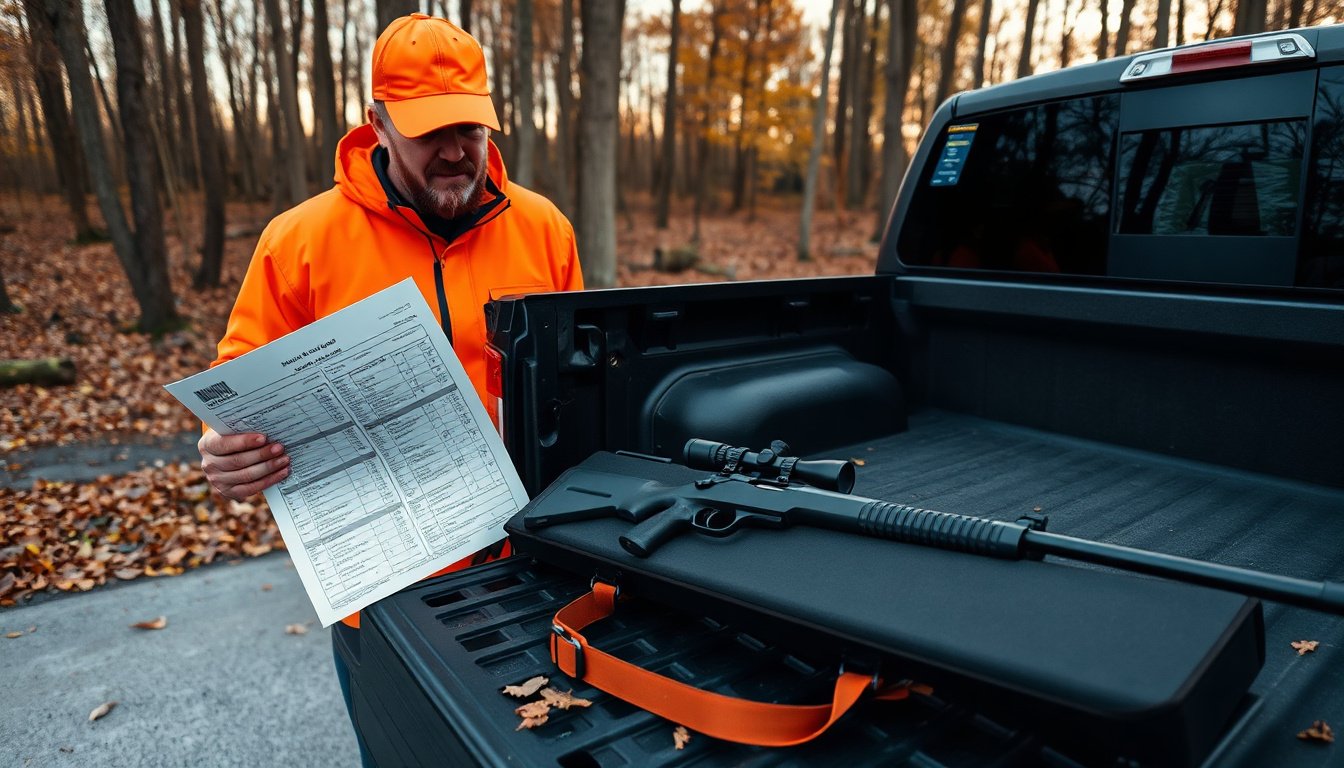
When Does Gun Season Start? Check Your State Dates
When does gun season start? It depends on where you hunt, what species you are after, and which season your state allows. There is no single national opening day for gun season.
For many hunters, “gun season” means the main firearm season for deer, but some states also use the term for elk, bear, turkey, or small game. The date can shift by state, zone, county, and even weapon type.
If you are planning a hunt, the safest approach is to check the current regulations before you head out. Season dates change, and the only reliable answer is the one listed by the wildlife agency where you will hunt.
This guide shows you how gun season dates are set, how to find them, and what to do before opening day.
Key Takeaways
- Gun season does not start on one universal date. It varies by location, game species, and hunting unit.
- For deer, many states open firearm season in fall, but the exact start date can be early, mid, or late season.
- Some areas split seasons into youth, muzzleloader, antlerless, and regular gun seasons. Each one may have different dates and rules.
- The best source is your state fish and wildlife agency or hunting regulations booklet. Do not rely on old calendars or social media posts.
- Before hunting, confirm dates, legal weapons, bag limits, tags, and hunter orange rules where you plan to go.
Understand What Gun Season Means
“Gun season” is a broad hunting term. In most everyday use, it means the season when firearms are legal for hunting a specific animal, especially deer.
That does not always mean every gun is legal. A season may allow rifles, shotguns, muzzleloaders, straight-wall cartridges, or specific ammunition only. Some states also separate firearm season by geography or by deer management zone.
Pro tip: Never assume last year’s opening day is still correct; always verify the current season before loading gear.
It also helps to remember that gun season is only one piece of the rules. You still need the right license, tags, hunter education if required, and any weapon-specific restrictions. If you need a refresher on buying the right equipment legally, see this guide on <>how to purchase a firearm.
Check Your State Hunting Regulations
The fastest way to answer “when does gun season start” is to look up the current hunting regulations for your state. Wildlife agencies publish season dates, zone maps, legal weapons, and special rules for each game species.
Do not use an old pamphlet, a hunting forum, or a neighbor’s memory. Season dates often change from year to year because of wildlife management goals, crop damage concerns, weather patterns, or local population surveys.
What to look for
- The exact season name, such as regular firearm deer season or general gun season.
- The start and end dates for the zone or unit you plan to hunt.
- Weapon restrictions, including rifle, shotgun, muzzleloader, or straight-wall cartridge rules.
- Tag, bag limit, and antler restrictions.
- Any special days for youth hunters, veterans, or disabled hunters.
If you hunt across state lines, check both states separately. A season that starts on one date in one state may begin weeks earlier or later in another.
Know Why Gun Season Dates Change
Wildlife agencies set season dates to balance hunter opportunity with conservation goals. That means the opening day is not random. It is usually tied to deer movement, breeding patterns, local herd numbers, and harvest goals.
In some places, gun season opens in late fall when deer are more active and easier to manage. In other places, it may open earlier or later depending on climate, terrain, and pressure from agriculture or suburban hunting needs.
| Season factor | What it can change | What you should do |
|---|---|---|
| State or province | Opening date and legal weapons | Read the current regulations for that jurisdiction |
| Hunting zone | Different dates within the same state | Match your map or unit number to the schedule |
| Game species | Deer, elk, bear, turkey, or small game rules | Check the season by species, not just by month |
| Special seasons | Youth, muzzleloader, or antlerless-only dates | Confirm whether your hunt falls inside a special season |
This is why the answer to the question is always location-specific. The same person may have one gun season for deer and a different firearm season for another animal in the same year.
Prepare Before Opening Day
Once you know the start date, use the time before opening day to get organized. A little preparation keeps you legal, safe, and less rushed when the season starts.
Start by confirming your license and tags. Then inspect your firearm, confirm your ammo matches the legal requirements, and review the area you plan to hunt.
Basic safety checks
- Treat every firearm as if it is loaded.
- Unload and verify the firearm before cleaning or transport.
- Keep the muzzle pointed in a safe direction.
- Keep your finger off the trigger until you are ready to shoot.
Also make sure you understand the local orange-clothing rules, shooting hours, and public-land boundaries. If you are new to using a rifle or shotgun in the field, this guide on <>how to obtain a gun license may also help you understand the legal side of getting ready.
Plan for Common Gun Season Variations
Not every hunter is asking about the main rifle opener. Some people mean the first firearm date for deer, while others mean a muzzleloader season, youth hunt, or late-season firearms window.
That is why the wording in the regulations matters. A season titled “gun deer season” may not include every firearm, and a season titled “firearm season” may still have limits on caliber, magazine capacity, or ammunition type.
- Youth season: Often shorter and earlier, with special rules for young hunters.
- Antlerless season: May open on different dates to help manage herd size.
- Muzzleloader season: A firearm season, but usually with its own equipment limits.
- Late season or special unit season: Often tied to local population management.
If your hunt involves a different firearm type, use the exact season name in your search. That small detail can save you from showing up on the wrong weekend.
Use Official Sources and Ask Questions Early
If anything is unclear, contact the state wildlife agency or check the most current regulation booklet before the trip. That is especially important if you are hunting on public land, crossing a zone boundary, or hunting near the end of the season when rules may be more specific.
Gun laws and hunting rules can vary widely by location and can change over time. When the rules matter, confirm them where you live and hunt with official sources or a qualified attorney if you need legal advice.
It is better to spend a few minutes verifying dates than to risk a citation or miss the opening morning because of bad information. Planning ahead also gives you time to review safe handling, range practice, and the basics of field care.
Frequently Asked Questions
Is gun season the same as deer season?
Not always. In many places, people use “gun season” to mean deer season with firearms, but other game animals can have their own firearm seasons too. The exact meaning depends on the state and the species you want to hunt.
Why does gun season start on different dates in different states?
States manage wildlife separately, so they set their own season dates. They look at herd numbers, habitat, hunter access, safety, and local conservation goals when deciding when a season should open.
Can I use any firearm during gun season?
No, not always. Some seasons allow only certain firearms or ammunition types, such as shotguns, muzzleloaders, or straight-wall cartridges. Always read the legal weapon section before you hunt.
What is the best way to find the exact start date?
The best way is to check the current hunting regulations from your state’s wildlife agency. If your hunt is in a special zone or unit, make sure you are reading the right map and the right season table for that area.
Conclusion
So, when does gun season start? The real answer is that it starts when your state, zone, and species regulations say it does. There is no one-size-fits-all date.
Use the current regulations, confirm your zone, and double-check the legal weapon and tag requirements before you go. That keeps your hunt legal, safe, and far less stressful.
Once you know the date, you can focus on the hunt itself and head into the season ready.